If you’re reading this, odds are you’ve got a fire rated duct wrap on site, in your warehouse, or maybe you’re new to the game and just realized cutting it wrong is the fastest way to waste material, mess up a project, or even put your fire safety compliance at risk. Full disclosure: I’m one of the fire rated duct wrap suppliers you might’ve reached out to before, so I’ve seen every mistake under the sun—guys using box cutters like it’s foam insulation, pulling the wrap too tight when they cut it, or leaving raw edges that fall apart before the HVAC tech even secures it. Today I’m breaking down exactly how to cut this stuff right, no fancy tools, no confusing jargon, just what actually works because I’ve watched installers nail this (or fail miserably) hundreds of times. Fire Rated Duct Wrap
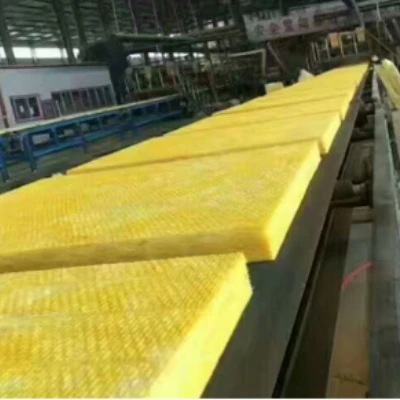
First, let’s get one thing straight: fire rated duct wrap isn’t your regular fiberglass insulation. It’s designed to stop heat, smoke, and flames from spreading through ductwork, which means it’s denser, more rigid, and has that tough outer facer (usually aluminum or a ceramic-coated film) that makes regular cutting tools useless if you don’t know what you’re doing. Cut it wrong, and those edges will fray, peel away from the duct seams, or not meet the required tight gap for fire ratings, which is a red flag for inspectors. No one wants to redo a full duct run because of a bad cut—trust me, I’ve had to help a customer resupply half a roll last month because their crew hacked a 50-foot run in 10 minutes and ruined every piece.
Let’s start with pre-cut prep, because half the battle is setting up right before you even pick up a blade. First off, don’t cut it while it’s still on the roll. I know, it’s tempting to unroll a foot and snip off the piece you need, but if you leave it attached to the roll, it’s going to shift, twist, and you’ll end up with a wavy, uneven cut line. Unroll the exact length you need for your duct section (add an extra 2-3 inches on all sides for overlap, by the way—compliance teams love that) and lay it flat on a workbench, the floor, whatever’s stable and not wobbly. Next, smooth it out. Fire rated duct wrap has a slight memory, so it’ll curl back up if you don’t press it flat. Use a straight edge—like a level, a long piece of plywood, or even a metal yardstick—to hold it in place for 30 seconds before you start cutting. That small step alone eliminates 90% of crooked cuts.
Now, tools. You don’t need a $500 specialty blade, but skimping on cheap box cutters will get you nowhere. My go-to for almost all our bulk customers is a heavy-duty utility knife with a new, sharp hook blade. Wait, hook blade? Yeah, not the straight ones you use for cardboard. The hook blade is designed to slice through dense, fibrous materials and that tough outer facer without snagging or tearing. If you don’t have a hook blade, a fresh straight industrial blade works in a pinch, but hook is way easier. Avoid scissors—they’ll fray the edges so bad you’ll have to tape the seams, which isn’t allowed for fire rated applications. And forget rotary cutters, like the ones fabric shops use—they’ll catch on the facer and leave uneven lines, especially on thicker wrap (some of our 2-inch heavy-duty stuff is almost an inch and a half thick when compressed, right? Rotary cutters can’t handle that).
Now, the actual cutting step. Here’s where most people mess up: they press too hard or pull the wrap too tight while cutting. Don’t do either. Apply light, even pressure—let the blade do the work. If you have to press down hard, your blade is dull, so swap it out. Pull the wrap slightly toward you, not away, as you make the cut. Pulling away will stretch the wrap, making the cut line wavy, and then when you lay it on the duct, it’ll be too short. One pass only. If you go back over the cut line multiple times, you’ll fray the edge or create a groove in the wrap that weakens its fire resistance. For long straight cuts (like cutting a full length of wrap for a 10-foot duct), mark your line first with a chalk line or a permanent marker (wait, use a marker that’s heat-resistant? No, actually, just use a regular marker, but make sure it’s not going to bleed into the wrap and mess with the fire rating. Most reputable fire rated duct wrap suppliers, us included, make our wrap with ink that won’t degrade when exposed to high heat, so you’re good. Mark your line clearly, align your straight edge along it, hold the edge down firmly with one hand, and make one smooth, steady cut with the hook blade. No stopping halfway, no jagged motions—keep your hand steady and move the knife at a consistent speed.
What about cutting around corners or for odd-shaped duct sections? That’s where a lot of installers panic. For 90-degree corners, don’t try to bend the wrap and cut it in place on the duct—cut the wrap flat first, then make small, diagonal relief cuts in the seam allowance (the extra 2-3 inches we talked about earlier) so it bends cleanly around the corner without puckering. If you have to cut holes in the wrap for duct collars, vents, or pipe penetrations, measure twice, mark the hole with a small X, and make relief cuts from the edge of the wrap almost to the edge of the hole, then cut the hole out. Don’t just try to punch or cut a big circle in one go—you’ll end up with a lopsided hole that leaves gaps around the penetration, which is a fire hazard. Pro tip: if you’re cutting multiple identical pieces, make a paper template first, trace it on the wrap, and cut all of them at once. Saves so much time and keeps every piece consistent.
Wait, one more big thing about handling wrap after cutting. Even if you cut it perfectly, if you bend it too sharply or crumple it up, you’ll damage the inner core, which is what gives it its fire rating. Fire rated duct wrap works by expanding when exposed to heat, creating a thick insulation layer that stops the heat from reaching the duct and any area behind it. If you crumple it after cutting, you can crush that inner core, so when a fire hits, it won’t expand properly. So after cutting, lay each piece flat and only roll it up loosely if you need to transport it to the job site. Don’t stuff it in a tight bag or bend it at less than a 90-degree angle.
I mentioned compliance earlier, so let’s touch on that quick, because this is non-negotiable. Fire rated duct wrap has specific testing standards—usually ASTM E2336 or UL 181, for those who care about the specs. If you cut it wrong and fray the edges, that can void the material’s rating. Inspectors will check the wrap for intact edges, no gaps between seams, and proper overlap. We’ve had customers tell us stories of inspectors failing a whole project because of a single frayed edge on a section of wrap that was cut poorly. It’s not worth the hassle.
Let’s run through a quick, step-by-step recap to make sure this sticks:
- Unroll exactly what you need, leave it flat (no cutting off the roll)
- Smooth it out and hold it down with a straight edge for 30 seconds to eliminate curl
- Use a sharp hook blade utility knife (new blade every 5-10 cuts, they dull fast)
- Mark your cut line, align a straight edge, make one smooth, light pass—no re-cutting
- For corners or holes, make relief cuts in the seam allowance, don’t cut the main panel
- Handle cut pieces gently, don’t crumple or bend them too tight
- Leave 2-3 inches of extra material for overlap at all seams, never force the wrap to fit.
Wait, I know what some of you are thinking: “What if I’m working with a really thick wrap, like 2-inch or 3-inch for high-heat applications?” Same rules apply, just use a heavy-duty hook blade, and if it’s super dense, you might need to score the outer facer first with a light pass, then go back and cut the inner core. Don’t push too hard or you’ll break the blade, which is a hazard. And if you’re cutting flexible duct wrap? Same deal—lay it flat, mark your line, one smooth cut, no pulling it taut.
If you’re here because you’re struggling with this, I get it. Fire rated duct wrap isn’t the easiest material to work with, especially if you’re used to regular insulation. That’s why we’ve spent years refining how we supply it and what tips we pass along to installers, contractors, and even do-it-yourselfers (yes, we supply to DIY folks too, as long as they’re working on a project that needs fire compliance). We’ve got bulk rolls for large commercial projects, smaller packs for residential or small jobs, and we always include a quick tip sheet with every order.
At the end of the day, cutting fire rated duct wrap is all about patience and the right approach. No fancy tools, no complicated tricks, just taking your time, using the right blade, and not rushing through the prep step. I’ve seen guys who were new to this get perfect cuts their first time, and I’ve seen veteran installers ruin a whole roll because they tried to cut off the roll with a dull blade. Don’t be that guy.
If you’re working on a project right now and need fire rated duct wrap, or if you have more questions about cutting, fitting, or installing it, feel free to reach out. We work with contractors, building managers, HVAC teams, and DIYers across the country, and we’re always happy to help. We don’t do pushy sales stuff—just honest info, quality product, and fair prices.
Aluminum Silicate Insulation REFERENCES
ASTM E2336, Standard Specification for Flexible Duct Liner and Duct Insulation
UL 181, Standard for Air Ducts and Duct Systems
National Fire Protection Association (NFPA) 90A, Standard for the Installation of Air-Conditioning and Ventilating Systems
Manufacturer’s Guidelines for Fire Rated Duct Wrap Installation (our internal product safety docs, aligned with industry standards)
Langfang Yafeng Energy-Saving Technology Co., Ltd.
As one of the most professional fire rated duct wrap manufacturers and suppliers in China, we’re featured by quality products and good price. Please rest assured to buy bulk premium fire rated duct wrap for sale here from our factory. Welcome to view our website for more information.
Address: Langfang Xinyafeng, Liugezhuang Town, Dacheng County, Langfang City, Hebei Province
E-mail: yafengbaowen@gmail.com
WebSite: https://www.xyfinsulation.com/
