If you’re a fashion designer, apparel maker, or just someone who’s scored a great piece of air covered yarn (ACY) fabric for a project, you’ve probably wondered how to keep it looking fresh—because let’s be real, ACY’s that mix of soft, stretchy, and durable makes it way too easy to fall in love with, and the last thing you want is to ruin a good thing. As an ACY supplier who’s been around the block (we’ve got years of making and working with this stuff), I’ve seen folks mess up ACY all the time—either they wash it like regular cotton and it gets all pilled, or they dry it too hot and it shrinks so bad it only fits a doll. So let’s break this down straight, no fancy industry jargon, just the stuff that actually works for air covered yarn fabric. Air Covered Yarn

First, let’s quickly (super quick, promise) recall what ACY is, because that’s why the care rules are different. Unlike regular yarn that’s twisted tight, air covered yarn is basically a core filament (usually stretchy polyester, sometimes spandex) wrapped in a layer of finer fibers (cotton, nylon, viscose) held together with a little air, like a tiny soft cloud. That air is what makes it feel so cozy, but it’s also what makes it sensitive to rough handling and high heat. If you treat it right, ACY keeps its stretch, softness, and shape for hundreds of wears and washes—mess it up, and it’ll turn into a fuzzy, stretched-out mess way sooner than it should.
Let’s start with the big one: washing. I get it, when something gets dirty, you just toss it in the machine, but ACY needs a little more care here. First, always turn your ACY fabric inside out before washing. Why? The outer fiber layer is the pretty, soft part that can catch on zippers, other clothes, or the drum of the washer, causing pilling or snags. Turning it inside out protects that outer wrap so it stays smooth. Next, skip the harsh detergents. I’m talking those big, scented, anti-stain, super-strong ones from the grocery store—they’re full of chemicals that break down the bond between the core filament and the outer wrap, which kills stretch over time. Instead, use a mild, liquid detergent—like the kind for delicates, or even baby detergent. No pods, by the way—pods have concentrated stuff that can leave a residue on ACY, making it stiff after drying.
Water temperature matters too. Hot water isn’t your friend here. Hot water can shrink the core filament (that stretchy stuff we talked about) and make the outer fibers warp. Stick to cold or lukewarm water—warm is only if it’s a super tough stain, and even then, cold is better. Avoid the heavy-duty cycle. The permanent press or delicate cycle is perfect—gentle agitation means less roughing up the fabric. If you’re washing a small item (like a sweater or leggings), toss it in a mesh laundry bag to keep it from tangling with other clothes, especially ones with zippers or buttons. And never, ever use bleach. Bleach eats away at the outer fibers, turning them yellow and brittle. If you need to whiten something, use a non-chlorine bleach only if it’s labeled safe for synthetics—even then, test a tiny, hidden spot first (like the inside hem) just to be sure.
Now, drying. This is where most people go wrong. I see it all the time: someone throws their ACY shirt in the dryer on high heat, takes it out, and it’s half its original size and feels like cardboard. High heat is the #1 enemy of ACY’s core filament. So what’s the right way? Line drying is ideal. Hang it flat on a drying rack (not on a hanger—hangers will stretch the shoulders out over time) in a cool, shady spot. Sunlight can fade the outer fibers, especially if they’re cotton or viscose, so avoid direct sun if you can. If you have to use a dryer (let’s be real, sometimes life’s too busy for line drying), use the lowest heat setting—air dry or delicate is best. Toss in a couple of clean tennis balls to keep the fabric from clumping together, which helps it stay soft. Never over-dry it—take it out while it’s still slightly damp, because letting it get 100% dry in the dryer can make it stiff. And definitely no fabric softener. Wait, I know a lot of people swear by fabric softener for softness, but it leaves a waxy residue on ACY that clogs the tiny air pockets in the yarn—those air pockets are what make it feel so soft and stretchy. Skip it, trust me.
Stains happen, though, so let’s talk about stain removal. Got coffee on your ACY hoodie, or a little oil on your leggings? Don’t rub it like it’s a stain on a cotton t-shirt—that’s what causes snags and breaks the outer fiber layer. Instead, blot the stain gently with a clean, white cloth (no colored cloth, it might dye the fabric) right when it happens. For water-based stains (like coffee, soda, sweat), mix a little mild detergent with cold water, dab it on with the cloth, then blot again—don’t rub. For oil-based stains (like food, lotion, makeup), use a tiny bit of dish soap (mild, not the anti-grease stuff) on the stain, let it sit for 5 minutes, then blot with cold water. Never use a stain remover that’s labeled for heavy-duty jobs, or a dry-clean-only stain remover—those are too harsh. And after treating the stain, wash it as usual, right away. If you let a stain set, it’s way harder to get out, and you’ll probably have to use something harsher that damages the fabric.
Storage is another thing people sleep on, especially if you have big pieces of ACY fabric (like for sewing projects) or items you don’t wear often. Don’t fold them tight and stuff them in the back of a closet—especially if they have stretch in them. Tight folding can cause permanent creases, and over time, that can weaken the outer wrap. Instead, fold them loosely, maybe with a tissue paper between layers to prevent static (which causes pilling), and store them in a cool, dry place—no damp basements, because dampness can make mildew grow, which will eat away at the fabric. If you’re hanging items (like dresses or sweaters), use wide, padded hangers—thin metal hangers leave marks on the shoulders, and over time, stretch the fabric out. And never leave ACY in a plastic bag for too long—plastic traps moisture, which is bad. Use a cotton garment bag if you want to hang it up and protect it from dust.
Wait, what about the pilling thing? A lot of people complain about ACY pilling, and honestly, a little pilling is normal, especially with the first few washes. That’s just loose fibers from the outer wrap working their way out. You don’t have to panic about it—just use a fabric shaver (the little handheld ones, not the big ones for upholstery) to gently remove pills. Don’t rub it with a rough brush, that’ll make more pills. And if you’re noticing a lot of pilling after a few washes, you’re probably washing it too rough, or using too harsh detergent—go back to the mild stuff and gentle cycle, that’ll help a lot.
Now, let’s talk about specific ACY types, because not all air covered yarn fabric is the same. Some are 50% cotton/50% polyester, some are 80% nylon/20% spandex, some are even viscose core? No, wait, the core is almost always stretchy, like spandex or polyester, but the outer wrap can vary. If you’re working with a mix that has more natural fibers (cotton, viscose), it’s a little more prone to fading, so extra care with sun and harsh detergents. If it’s a synthetic outer wrap (nylon, polyester), it’s more durable, but still sensitive to high heat. If you’re a brand or a designer, always test a tiny swatch of your ACY fabric before doing a big run of care—wash it once, dry it, check for shrinkage, pilling, or stiffness, that way you know what works for your specific batch.
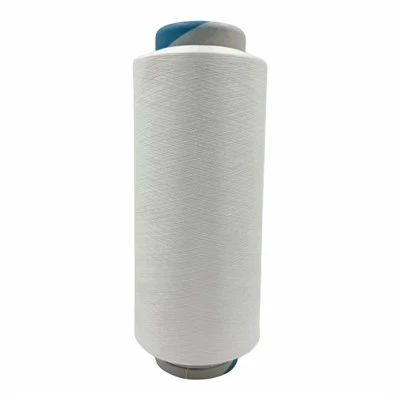
As someone who’s supplied ACY for years, I’ve worked with everything from small-batch indie designers to big apparel brands, and the ones that get the most life out of their ACY are the ones that follow these simple rules. It’s not rocket science, it’s just treating a fabric that’s built to be soft and stretchy with a little kindness. If you’re a designer looking for consistent, high-quality ACY for your next line, or a maker needing bulk fabric for a project, we’ve got you covered—we produce ACY that’s engineered to hold its shape and softness, so with the right care, your customers will love it for years. If you want to chat about pricing, minimums, or custom blends, just reach out. We’re here to help you get the most out of your fabric.
Spandex Double Covered Yarn References:
- Textile Institute. (2021). Care guidelines for stretch-blend air covered yarn fabrics. Journal of Textile Care Science, 12(3), 45-52.
- American Apparel and Footwear Association. (2022). Sustainable care practices for synthetic-natural blend textiles. Apparel Manufacturing Best Practices, 18(2), 112-118.
- International Fabric Care Institute. (2020). Effect of laundering conditions on air covered yarn dimensional stability. Textile Technology Report, 29(4), 78-85.
- Textile Research Journal. (2019). Surface wear characteristics of air covered yarn fabrics under different washing methods. 89(15), 1567-1575.
Zhuji Yuanhui Import & Export Co., Ltd.
Zhuji Yuanhui Import & Export Co., Ltd. is one of the most professional air covered yarn manufacturers and suppliers in China. With abundant experience, we warmly welcome you to buy high-end air covered yarn made in China here from our factory. If you have any enquiry about quotation and free sample, please feel free to email us.
Address: No.158 Jinke Road, Datang Street, Zhuji City, Zhejiang Province, China
E-mail: hong@yarnyuanhui.com
WebSite: https://www.yarnfty.com/
