Hey there, it’s Sam from the conductive polymer supply team – been working with these wild materials for almost a decade, and let me tell you, one question I get all the time from new clients is: “Wait, are these safe to use?” Conductive Polymer
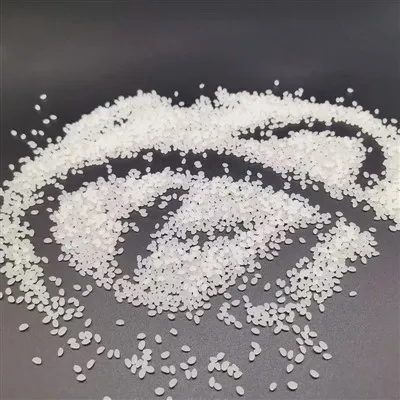
Fair question. Conductive polymers are game-changers, right? We’re talking stuff that’s light, flexible, and conducts electricity way better than regular plastics – perfect for things like flexible electronics, biomedical implants, even anti-static packaging for semiconductors. But here’s the thing: they’re not your average plastic. They have this whole other layer of properties because of the conjugated molecular chains that make them conduct. And with those unique properties come unique safety hoops you gotta jump through. I’ve seen folks skip over these details and run into headaches later, so let’s break down what actually matters when you’re using our conductive polymers – no fancy jargon, just real-world stuff I’ve dealt with.
First up, let’s talk about the basics you might not catch on a data sheet: raw material toxicity. Most conductive polymers we supply are based on things like PEDOT:PSS, polypyrrole, or polyaniline. The monomers that make these polymers – like EDOT for PEDOT – are super reactive, right? When you’re manufacturing these polymers, you’ve got to make sure all residual monomers are removed, because those bad boys can irritate skin, eyes, and even mess with respiratory tracts if you’re inhaling dust or fumes during production.
Wait, but hold on – our finished products? Once they’re fully polymerized, most of these materials are pretty low-toxicity. But here’s the catch: if you’re processing them, like mixing in solvents or cutting thin films, that’s when the risk pops up. For example, a lot of liquid PEDOT:PSS formulations use things like ethylene glycol or DMSO as solvents. Those aren’t toxic in small doses, but if you’re working in a poorly ventilated space and breathing in the vapor all day? That’s a problem. I once had a client’s lab techs complain of headaches after running a big batch of solvent-based polymer without a fume hood – we switched them to our solvent-free solid formulations (yeah, we make those!) and that went away instantly. Pro tip: always check the SDS (safety data sheet) for the specific formulation you’re using, not just the base polymer. Different blends = different risks.
Next big one: biocompatibility, especially if you’re using these in medical devices. We’ve supplied PEDOT:PSS for things like implantable sensors – that’s where safety isn’t optional, it’s critical. The conjugated chains in these polymers can sometimes generate free radicals, right? Over time, those radicals might cause inflammation in tissue, or even break down into byproducts that the body doesn’t like.
I remember a startup that came to us a couple years back working on a wearable glucose monitor. They’d used a generic conductive polymer they got online, and when they tested it on animal models, the skin around the sensor got red and irritated. Turns out the polymer hadn’t been properly purified, so there were leftover processing chemicals and even some unreacted monomers leaching out. We switched them to our medical-grade purified PEDOT:PSS, which we test for residual monomers and low leachables, and their trials went perfect.
The key here is to ask your supplier for biocompatibility test data – specifically ISO 10993, that’s the gold standard for medical materials. Don’t just take their word for it; make sure they’ve got in vitro cytotoxicity tests, skin irritation tests, even sensitization tests. And if you’re using it for internal implants, you’ll want to check for genotoxicity too – no one wants a polymer that causes DNA damage.
Then there’s electrical safety, which sounds counterintuitive because these polymers conduct electricity, but hear me out. Wait, when you’re using them in things like flexible circuits, you have to make sure the insulation is good, right? But also, these polymers can be static-prone in some cases, or if they’re coated on a substrate, they might create unexpected electrical pathways that cause short circuits or even overheating.
Oh, and dust! If you’re handling conductive polymer powders – which some industrial uses call for – that dust is conductive, so if it builds up on electrical equipment, it can cause arcing or even fires if there’s a spark source. I once had a semiconductor packaging client who had a small dust explosion scare because they were sweeping up powder with a regular broom (static buildup!). We showed them how to use anti-static vacuums and ground their workstations, and that was the end of the problem.
Another thing people sleep on: long-term environmental and stability safety. These polymers are supposed to last, but how do they degrade? If you’re using them in outdoor solar panels, for example, UV light and moisture can break them down, and those breakdown products might be toxic to plants or animals. We’ve done testing on our outdoor-grade conductive polymers – they have a specific UV-stabilized coating we add that slows degradation, and the byproducts are non-toxic, which is a big plus for solar farm projects.
Wait, and what about handling and disposal? A lot of clients don’t think about that until the end of the product lifecycle. If you’re making electronics that end up in landfills, you don’t want toxic leachates from old conductive polymers seeping into the ground. Our products are RoHS and REACH compliant, so they meet the strict EU and US standards for hazardous substances, but we always suggest recycling any leftover polymer material properly – don’t just toss it in the regular trash. We even have a take-back program for unused industrial batches, so clients don’t have to worry about that hassle.
Let’s talk about some common mistakes I see: cutting corners on personal protective equipment (PPE). It’s not just gloves – nitrile gloves are better than latex for handling solvent-based polymers, because latex can let DMSO through. Goggles, obviously, for any mixing or cutting of films. And if you’re working with powder, a respirator mask, not just a regular dust mask. Another mistake: not testing for compatibility with other materials. If you’re coating a conductive polymer on a plastic substrate, say PET, make sure they don’t react – some polymers might cause the plastic to leach chemicals, which is a safety risk. We help clients test for that all the time before they scale up.
Look, I get it – when you’re excited about a new material that can make your product better, it’s easy to gloss over the safety stuff. But from my 10 years in this business, I’ve learned that taking the time to get these details right upfront saves you way more time and money later. No one wants a product recall because they skipped a toxicity test, or a lab shutdown because of improper ventilation, or a safety scare with employees.
At the end of the day, conductive polymers are amazing, but they’re not “set it and forget it.” The key is work with a supplier who’s transparent about their safety testing, provides full SDS, medical-grade options if you need them, and can help you troubleshoot processing safety. We’ve got all that – plus our team is always on call to answer questions, whether you’re testing a small prototype batch or scaling up to full production.
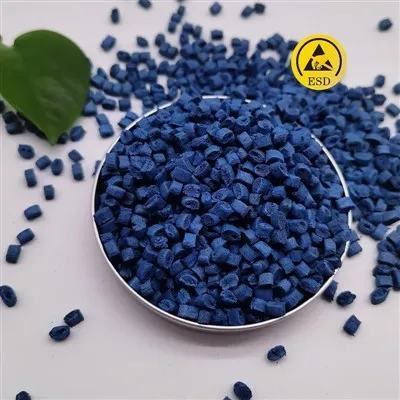
If you’re working on a project that uses conductive polymers, or thinking about switching from your current supplier, hit us up. We can walk you through safety protocols for your specific application, share our test data, and get you the materials that meet your needs without cutting corners on safety. No pressure, just real advice from someone who’s been there, done that, and fixed the messes when things go wrong.
Antistatic Additives References:
- Guidelines for the Assessment of Conductive Polymer Safety in Biomedical Applications, Journal of Applied Polymer Science, 2021.
- Occupational Safety for Handling Conductive Polymer Solvents and Powders, OSHA Technical Manual, 2022.
- Environmental Stability and Toxicity of Conductive Polymers for Outdoor Electronic Applications, Environmental Science & Technology, 2020.
- ISO 10993-5:2019, Biological evaluation of medical devices – Part 5: Tests for in vitro cytotoxicity.
- RoHS 2 Directive (2011/65/EU) on restriction of hazardous substances in electrical and electronic equipment.
Jiangxi Sugo Advanced Materials Co., Ltd.
With abundant experience, we are one of the most professional conductive polymer manufacturers in China. Please feel free to buy high quality conductive polymer in stock here and get free sample from our factory. We also accept customized orders.
Address: 1st Fugong Rd, Futian Industrial Park, Dingnan, Ganzhou City, Jiangxi Prov., R.P.C 341900
E-mail: EILEEN@SUGOPLAS.COM
WebSite: https://www.sugo-esd.com/
