Hey there, if you’ve been researching door materials for your next home renovation, new build, or even a small commercial project, you’ve probably heard a lot of buzz about WPC door slabs. As someone who’s been supplying these for years, I get all the same questions from customers and contractors alike—most of which boil down to one big one: Are WPC door slabs actually easy to install? Let’s cut through the marketing fluff and break this down like I would to a guy picking out his first set of doors for a new cabin or a contractor who’s tired of dealing with warped solid wood. WPC Door Slab
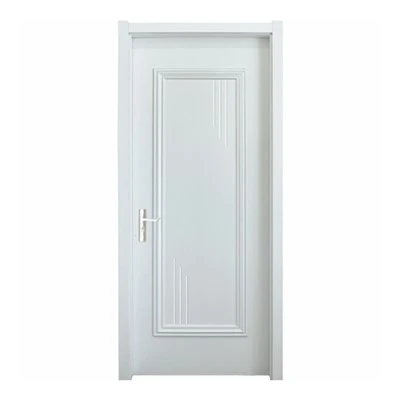
First, let’s make sure we’re on the same page about what WPC door slabs are, because a lot of folks mix it up with other materials. WPC stands for Wood-Plastic Composite, right? It’s a mix of wood fibers, recycled plastic, and binding agents, pressed into a solid, uniform slab that doesn’t need painting or trimming out of the box. The biggest win here compared to solid wood or MDF? No warping, no swelling from humidity, no cracking when a door slams. But when it comes to installation, ease is a two-way street: it’s not just how simple the process is, but also how forgiving the material is when you make a small mistake.
Let’s start with the basics of installing a door slab, because I’ve seen contractors overcomplicate this just because they’re used to old materials. A standard door installation usually involves three main steps: prepping the frame, fitting the slab to the frame, hanging hinges, and setting the door gap. With WPC, the slab is already precision-cut at the factory—no rough edges, no uneven sides, no hidden defects that solid wood sometimes has because of tree growth. That’s a huge time-saver. I’ve watched a guy who’s been installing doors for 20 years take twice as long to fit solid oak as he does WPC, just because he had to plane down 1/8 inch from the bottom to make it fit level. With WPC, those cuts are exact, so you’re not fighting unevenness.
Wait, but what about tools? Do you need special stuff? No, not really. Most people already have a drill, a circular saw, a jigsaw, a level, and a screwdriver—all the same tools you’d use for any door. There’s one tiny thing that’s different: WPC doesn’t splinter when you cut it, unlike solid wood. That means if you need to trim a little off the top or bottom (rare, but sometimes a frame is slightly off), you don’t have to deal with chipped edges that require sanding for 10 minutes. Just set your saw blade depth, make the cut, and you’re done. I’ve had a lot of handymen who work on side jobs love that—they don’t have to bring extra sandpaper or a planer to fix their cuts.
Now, let’s talk about the forgiving part, which is where a lot of new WPC users get surprised. Solid wood and even MDF can crack if you drill a hinge hole slightly off, or if you drive a screw too tight. WPC is flexible enough to give a little, but rigid enough not to twist. If you misalign a hinge by a few millimeters, the WPC doesn’t split—you just adjust the screw a tiny bit, and it stays. That’s a game-changer for DIYers, by the way. I’ve had so many first-time renovators message me saying they installed their own WPC door in an hour, something they never would’ve tried with a solid wood door because they were scared of ruining it.
But let’s be real—easy doesn’t mean “no work.” There are a few gotchas that I always tell people about, because I don’t want them to get frustrated and blame the WPC. First, prepping the frame still matters. Even if your door slab is perfect, if your frame is twisted or not plumb, you’re going to have a bad time. WPC is tough, but it won’t fix a wonky frame. So always measure the frame first, make sure it’s square and level, before you even take the WPC slab out of the packaging. That’s a step a lot of DIYers skip, and it’s why some people say WPC is hard to install—they skipped the basics.
Another gotcha: sealing the edges if you cut them yourself. Even though WPC doesn’t warp from humidity, if you trim the slab yourself (say, the frame was a hair too small and you need to take a little off the bottom), the raw edge is still exposed to moisture, same as any other composite. A quick coat of waterproof sealant takes 2 minutes, and that’s it. I supply a small tube of sealant with every order, so my customers don’t forget that step. No big deal, but it’s something to keep in mind.
What about heavy doors? Wait, WPC door slabs are actually lighter than solid wood doors of the same size. A standard 80-inch solid wood door is like 50-60 pounds, but a WPC door is 35-45 pounds. That makes lifting and hanging way easier—no straining your back, no struggling to hold the door while you attach hinges. For contractors, that means they can do 3 doors in the time it would take to do 2 solid wood ones. For DIYers, that’s a huge relief too—no need to borrow a friend’s help to hold the door up while you screw in hinges.
I’ve had some customers compare WPC to MDF, which is another popular composite door material, and say WPC is way easier. Why? Because MDF absorbs moisture if it’s cut, so you have to seal every edge, and it’s way more prone to warping when it gets wet. WPC doesn’t do that—spill a glass of water on the edge, wipe it up, no problem. That means if you’re installing a bathroom door or a door leading outside, you don’t have to worry about humidity ruining the door mid-install. No rushing to seal edges before you hang it, no panicking if it rains during the job.
Now, let’s talk about common misconceptions, because a lot of people think “easy install” means lower quality, which isn’t true. WPC door slabs hold hinges way better than solid wood, actually. The plastic in the composite fills in the screw holes so they don’t strip out, which is a big issue with old solid wood doors—after a few years, hinge screws come loose because the wood wears down. With WPC, the screws stay tight, so you don’t have to go back and tighten them every few months. That’s a win for installers too—less callbacks, more happy customers.
Wait, what about custom sizes? I supply custom WPC slabs, and I always tell installers that custom cuts on WPC are way easier than custom cuts on solid wood. If you need a non-standard height or width, you can cut it with a regular circular saw, no special tools, and the edges are smooth enough that you don’t have to do much sanding. With solid wood, you’d have to use a table saw, and even then, the edge is rough and needs planing.
Of course, it’s not all rainbows. If you’re used to super heavy-duty commercial doors, you might need to add some reinforcement for high-traffic areas, but that’s not a WPC-specific thing—same with any door. And if you try to cut WPC with a cheap blade, you might get some rough edges, but that’s true for any material. I always recommend a fine-tooth crosscut blade for WPC, which is $10 at any hardware store, so it’s not a big expense.
Let me give you a real example from last month. A guy named Mike, who’s a part-time handyman doing side jobs for new homeowners, ordered 4 WPC doors from me. He sent me a message after finishing the first one: “I spent 2 hours on the first door, and the last three took 45 minutes total each. Never had a door that fit this good out of the box. My clients thought I was lying about it being easy.” That’s the kind of feedback I live for. Another customer was a first-time homeowner, Sarah, who installed a WPC front door by herself—she said she watched a 10-minute YouTube video, borrowed a drill, and had it done in an hour. She never would’ve tried that with the solid wood door she picked out first, which a contractor quoted her $800 to install.
So, to circle back to the original question: Are WPC door slabs easy to install? Short answer: Yeah, most of the time, way easier than solid wood, MDF, or even steel doors in a lot of cases. But there are a few things to do to make it even smoother. First, prep your frame—make sure it’s plumb, square, and free of any twists or unevenness before you unbox the slab. Second, use the right tools (a regular drill, saw, level—no special stuff needed). Third, if you have to cut the slab yourself, seal the raw edges with a quick coat of waterproof sealant. That’s it. Skip those steps, and you’ll run into small issues, but do them, and it’s like assembling a big IKEA furniture set—most of the work is prepping, and the actual assembly is straightforward.
Now, if you’re looking to use WPC door slabs for your project, don’t just take my word for it. A lot of contractors and renovators are switching to WPC not just for its durability, but because it saves them time on installation. If you’re a DIYer who’s never installed a door before, or a contractor who’s tired of the headaches from other materials, WPC is totally worth a look. If you have questions about fit, custom sizes, or anything else about installing WPC doors, feel free to reach out to discuss your project needs. We can walk you through every step, from prepping the frame to hanging the door, so you don’t have to guess.
Last thing: I’ve been in this industry long enough to know that a lot of suppliers will overpromise “easy” and underdeliver, but I don’t do that. WPC doors are easy to install, but they’re also durable, low-maintenance, and last way longer than most other door materials. If you’re ready to make your next door project less stressful and more cost-effective, let’s chat. We can get you samples, answer any questions, and get your order out fast so you can get to work.
Swing WPC Doors References
- American Wood Council. (2022). Wood-Plastic Composite (WPC) Building Materials: Installation Best Practices.
- National Association of Home Builders. (2023). Comparative Analysis of Door Installation Time Across Common Materials.
- International Code Council. (2021). Residential Door Installation Standards for Composite Materials.
- Build With Strength. (2022). Contractor Feedback on Composite Door Installation Ease and Durability.
Shandong Xinhongyuan Industrial Co., Ltd.
Shandong Xinhongyuan Industrial Co., Ltd. is one of the most experienced wpc door slab manufacturers and suppliers in China. We have world-leading production equipment and strong manufacturing capabilities. Please feel free to buy bulk high quality wpc door slab made in China here from our factory. We also accept customized orders.
Address: No. 47, National Highway 104, Economic Development Zone, Weishan County, Jining City, Shandong Province
E-mail: tongjiayidoors@gmail.com
WebSite: https://www.sdxhywpcdoors.com/
