Hey everyone, thanks for stopping by. I’m [Investment Casting Machining Provider] – we’ve been grinding, milling, and turning stainless steel investment cast parts for over 10 years, and let me tell you, it’s never as straightforward as it sounds. Most folks come to us thinking “stainless steel is stainless, so machining it should be like any other metal” – nope, that’s where they go wrong. Today I wanna break down the real headaches we deal with daily, the pitfalls that even seasoned machinists trip over, and why so many clients end up calling us last minute to fix their messed-up parts. First, let’s get one thing straight: investment casting gives you near-net shapes, which is dope for reducing material waste, but the metal itself – stainless steel – is a different beast entirely. Investment Casting Machining
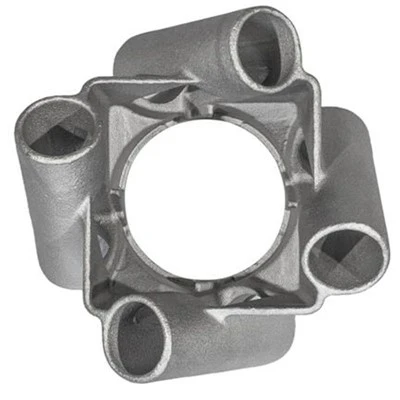
Let’s start with the core material properties that make stainless such a pain. I’m not talking about generic “it’s hard” – I mean specific stuff that messes with every step. First up, work hardening. You tap it once with a tool, and instead of cutting clean, the outer layer of the cast part gets way harder than the base material. We saw this last month with a batch of 316L stainless cast valve bodies. The client wanted a precise 0.2mm step milled into the flange, and their in-house team went at it with a standard carbide end mill. Halfway through, the tool started grabbing, the step was 0.1mm over, and half the parts were scrapped. Turns out, 316L is austenitic stainless, one of the most common for investment casting, and it work hardens faster than any steel we machine. Why? The high nickel and chromium content makes the molecular structure super stable, so when you apply shear force from a cutting tool, the atoms rearrange real quick to get harder. So now instead of just cutting, you’re pushing against a layer that’s essentially a whole new metal. That means tools dull way faster – we go through 2x more carbide inserts for stainless than for mild steel, and if you’re not watching the feed rate like a hawk, you’ll have a broken tool mid-cut and a ruined cast part before you blink.
Next, the heat. Stainless doesn’t conduct heat worth a damn. Most metals, when you cut ‘em, the heat from the chip and the tool dissipates into the part and the coolant. Stainless? That heat just sits right at the cutting edge. We had a job last year for a medical device manufacturer – tiny 17-4 PH stainless cast pins, need a 0.05mm tolerance on the diameter. The machinist ran the coolant at half pressure because the client’s machine had a wonky pump, and within 10 parts, the tool tip was glowing red. The heat made the stainless distort, so the diameters were all over the place, and some pins were actually bent after machining. Why? Austenitic and martensitic stainless both have thermal conductivity way lower than carbon steel – about a third, actually. So all that heat goes straight to the tool and the part, not away. That leads to tool wear, but also part distortion, especially with thin-walled castings – you know, the ones where investment casting works best because you can get super intricate shapes? Thin walls = less material to hold their shape when heated, so that tiny bit of excess heat will warp a part that was perfectly as-cast.
Oh, and let’s not forget about built-up edge (BUE). That’s when tiny chips of stainless stick to the cutting tool’s tip instead of flushing away. We see this all the time with free-machining stainless grades like 303, which have added sulfur to make them easier to machine – backfires, in our opinion. When those sulfur particles mix with the stainless chips, they get gummy and stick to the tool. So instead of the tool cutting clean, the BUE acts like a blunt edge, leaving rough surfaces on the part and even causing micro-cracks. Last quarter, a client sent us cast stainless screw housings they’d tried to machine themselves, and half had rough threads because of BUE. We had to re-cut all the threads with a new, coated tool and adjusted the feed rate to blow chips away faster, and even then, some of the roughest ones needed secondary polishing. BUE is such a sneaky one because it doesn’t always show up on the first part – it builds up over the course of machining 5, 10, 20 parts, so by the time you notice, you’ve already scraped a bunch.
Now, tie this back to investment casting specifically, not just machining stainless in general. Wait, investment casting produces parts with a surface that’s not perfectly uniform, right? The as-cast surface has tiny pores, residual sand (from the investment mold process), and even small variations in wall thickness, especially for complex geometries. That as-cast surface isn’t like a solid bar of stainless steel – it’s got inconsistencies that make machining even harder. We had a job last month for aerospace parts, the cast brackets had a few tiny surface voids from the casting process. When we started machining the mounting holes, the tool would catch in those voids, causing a tiny chip in the hole wall. That’s a huge no-no for aerospace, because it leads to stress cracks later. So we had to first do a light secondary grind to smooth out the as-cast surface before machining, adding time and cost. And don’t even get me started on residual stress from casting. When you pour molten metal into the investment mold and let it cool, different parts of the part cool at different rates, leaving internal stress. When you machine material away, you release that stress, and the part warps. We see this all the time with long cast shafts – you machine it straight, then leave it over night, and it’s bent like a banana because the residual stress shifted. We had to implement a stress relieving bake step after casting and before machining, but that adds cost and lead time, and if you skip it, you’re gonna have bad parts.
Then there’s the tolerance thing. Clients come to investment casting because they want tight tolerances without a ton of secondary machining, right? But when you have to machine certain features, stainless pushes those limits. Let’s say a client wants a 0.02mm tolerance on a flange face. The work hardening and heat mean that if you machine it too fast, you can’t hold that tolerance. We have to run slower feed rates, use coated tools (like titanium nitride or diamond-coated, which are way more expensive), and even use coolant with higher pressure to flush chips and cool the part. And even with all that, if the cast part has a tiny as-cast variation, the machining process can exaggerate it. For example, a thin-walled cast housing might have a 0.1mm wall thickness variation as-cast, and when you machine an inner diameter to 50mm, that 0.1mm variation can turn into a 0.08mm tolerance error if you don’t compensate for it. That’s a level of precision that not every shop can handle – most small shops with basic CNC machines can’t hold those tight tolerances consistently on stainless investment cast parts.
Wait, also, tooling costs. Let’s be real, machining stainless is way more expensive than machining aluminum or even mild steel. The coated tools we use for stainless are 3-4x more expensive than standard uncoated tools. And because stainless works hardens and wears tools out fast, you have to change tools way more often. That’s not just the cost of the tool itself – that’s downtime on the CNC machine, which adds to the overall part cost. Clients often look at our quotes and say “your price is higher than the other shop” – but what they don’t see is that the other shop is using cheap tools, running too fast, and scrapping half the parts. We had a client come to us last year who tried to get their cast stainless pump parts machined at a local shop, and they had a 40% scrap rate. They ended up paying the local shop for the scrap parts, then paying us to redo all the good parts. In the end, our quote was only 15% higher, but they saved thousands in scrap and missed deadlines.
Another thing: chip evacuation. Stainless chips are long, stringy, and gummy, especially with austenitic grades. If you don’t get those chips out of the cut fast, they’ll wrap around the tool, scratch the part, or cause BUE. With investment cast parts, sometimes the machining features are in tight, hard-to-reach spots – like a small hole in the middle of a complex cast geometry. Those spots are terrible for chip evacuation. We had a job for a medical implant, tiny 2mm holes in a cast stainless frame. The chips kept getting stuck in the hole, so we had to program peck drilling – pulling the drill out every 0.5mm to clear chips – which adds a ton of cycle time. If we didn’t do that, the drill would snap, the hole would be off-size, and the part would be ruined. Peck drilling is standard, but it’s a hassle that you don’t have to deal with as much when machining solid bars, because you can use through-coolant to flush chips out easier.
Now, let’s talk about common mistakes people make that make this even harder. First, picking the wrong stainless grade. We get clients who say “just use 304 stainless, it’s cheap” – but 304 is way harder to machine than, say, 17-4 PH, which is a precipitation hardening stainless. 17-4 PH can be age-hardened after machining, so you can machine it when it’s soft, then harden it to get the strength you need. That’s a game-changer because you avoid work hardening during machining. But a lot of clients don’t know that, so they pick a grade that makes our job 2x harder, and their parts end up with more defects. Second, not accounting for residual stress. If you don’t do a stress relieving step after casting, machining will warp the parts, and you’ll have to scrap them. We always remind clients of this, but some skip it to save cost, and it ends up costing them more in the end. Third, under-specifying the machining process. Clients will say “just machine this feature” without telling us about the tolerance or surface finish requirements. If you need a 0.02mm tolerance and a Ra 0.8 surface finish, that’s a totally different process than a 0.1mm tolerance and Ra 3.2. Cutting corners here leads to bad parts.
Wait, also, surface finish. Stainless investment cast parts often have a rough as-cast surface, and machining them can leave tool marks if you don’t set the parameters right. For medical parts, aerospace parts, even food-grade parts, you need a smooth, consistent surface. That means taking light finishing cuts, using the right tool, and adjusting the spindle speed. But with stainless, light cuts mean more time, which again adds cost. We’ve had to do secondary polishing on some parts, which is extra work, but that’s the only way to meet the client’s requirements.
Now, let’s wrap this up. The key takeaway is that machining stainless investment cast parts isn’t just “machining stainless” – you have to account for the as-cast surface inconsistencies, residual stress, work hardening, heat conductivity, chip evacuation, and all the other unique properties of stainless. It’s not rocket science, but it requires experience, the right tooling, and careful process planning. A lot of shops think they can do it because they machine stainless bars, but investment cast parts are way different – near-net shapes mean you’re cutting material that’s not uniform, with hidden voids and stress, so you can’t just apply the same parameters you use for bar stock.
If you’re a procurement manager, an engineer, someone who needs stainless investment cast parts machined, don’t make the mistake of going with the cheapest shop or assuming it’s the same as machining any other metal. We’ve fixed so many botched jobs from shops that didn’t account for the unique difficulties here. We know the ins and outs – we’ve dealt with the work hardening, the warping, the broken tools, the scrap parts, and we’ve refined our process to get consistent, high-quality parts every time.
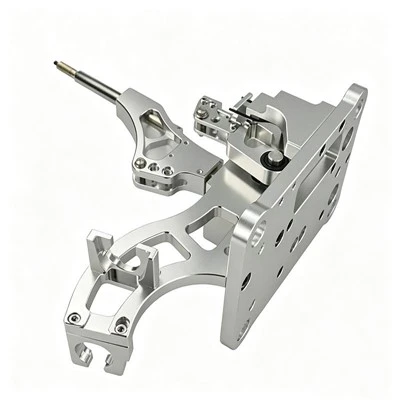
So if you’re tired of scrap rates, missed deadlines, and parts that don’t meet your specs for stainless investment casting machining, hit us up. We’ll walk through your part, help you pick the right grade, plan the machining process, and deliver parts that meet your exact requirements. No runarounds, no hidden costs, just experienced work that gets the job done right.
High Quality Machining Service References:
- Davies, M. A. (2015). Machining Fundamentals. Society of Manufacturing Engineers.
- Shaw, M. C. (2005). Metal Cutting Principles. Oxford University Press.
- Investment Casting Institute. (2021). Investment Casting Process Handbook. Investment Casting Institute.
- ASM International. (2012). Machining of Stainless Steels. ASM Handbook, Volume 16: Machining.
Ningbo Yirui Machinery Manufacturing Co., Ltd.
As one of the most professional investment casting machining manufacturers and suppliers in China, we’re featured by quality products and good price. Please rest assured to wholesale durable investment casting machining made in China here from our factory. Customized orders are welcome.
Address: No.107, Wanzhong Village, Jishigang Town, Haishu District, Ningbo City
E-mail: James.he@yiruitek.com
WebSite: https://www.yiruime.com/
