Hey there! If you’ve ever stood in your field, staring at crops that look kinda off—maybe not growing as strong as they should, leaves curling when they shouldn’t, or fruit that’s just not hitting the quality mark—you’ve probably thought, “What else can I do?” That’s where functional amino acid fertilizers come in, and as the guy who’s been supplying these for a few years now, I’m gonna walk you through exactly how to apply ‘em right (no fancy jargon, I promise—just real stuff I’ve learned from farmers I work with). Functional Amino Acid Fertilizer
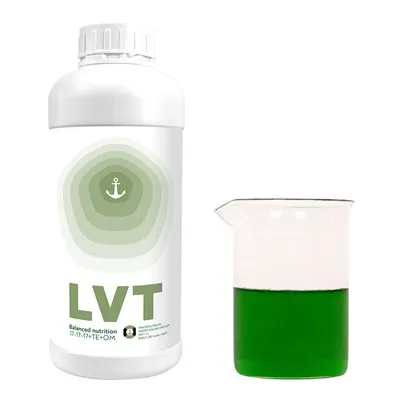
First off, let’s get one thing straight: functional amino acid fertilizers aren’t your regular old NPK stuff. Regular fertilizers give plants the big three nutrients, but these amino acid ones? They’re like the multivitamin + supercharger combo for your crops. They’re made from broken-down organic matter (think plant and animal proteins, fermented properly), so plants don’t have to work super hard to soak ‘em up. But here’s the catch—mess up the application, and you’re just wasting product and money. I’ve seen it happen way too many times: a farmer dumps a whole bag on at the wrong time, and their corn ends up lanky instead of sturdy. So let’s break this down step by step.
First, you gotta figure out what your crop actually needs. That’s not a one-size-fits-all deal. If you’re growing tomatoes, they love amino acids that help with fruit set—so you’ll want to time it when they’re flowering. If you’re doing leafy greens like spinach, they need amino acids that boost chlorophyll, so apply when those leaves are popping. I always tell new farmers: grab a cheap soil test kit (you can get ‘em at any garden store, no need for the fancy lab ones at first) or even just look at your crop’s current look. If the leaves are pale, that’s a sign they need the amino acids to help with nutrient uptake, not just straight nitrogen.
Next, application method. This is where most people go wrong. There are two main ways to use these—foliar spray and soil drench. Let’s talk foliar first, ‘cause it’s super popular and fast-acting. Foliar means you spray the mixture directly on the leaves. Why? Because leaves have tiny stomata (those little pores you can barely see) that soak up amino acids way quicker than roots. But here’s the rule: don’t spray in the middle of the day when the sun is blazing (like 12-3 PM). The sun will evaporate the water too fast, and the amino acids won’t have time to absorb. Best time? Early morning, before the dew dries, or late evening when the sun’s gone down. I usually tell folks to mix the amino acid product with water at a rate like 1-2 liters per 100 liters of water—wait, always check the product label, ‘cause different strengths differ. Don’t make it too strong, or you’ll burn the leaves (you’ll see brown edges, yuck). For leafy crops, coat both the top and bottom of the leaves—stomata are on both sides, especially the undersides, so that’s where the magic happens.
Then there’s soil drench. That’s pouring the mixture right at the base of the plant, so the roots soak it up. This is better for longer-term benefits, like making the root system stronger to handle drought or pests. For soil drench, the ratio is similar, but you might use a bit more—like 2-3 liters per 100 liters of water, depending on the crop size. Seedlings need less, mature plants need a bit more. Timing here: when you’re planting, add a little to the hole when you set the seed or transplant, then do another drench when the plant is ⅔ grown. I work with a guy who grows watermelons—he does a drench at transplant, then another when the first tiny watermelon is popping, and his melons are way sweeter than his neighbors’.
Wait, what about mixing with other fertilizers? Can you combine functional amino acids with regular stuff? Yeah, usually— but don’t mix with super harsh chemicals, like strong fungicides or high-chemical pesticides, ‘cause that can break down the amino acids and make ‘em useless. If you’re unsure, just do a little test: mix a tiny bit of your amino fertilizer with whatever else you’re using, wait 10 minutes, if it clumps or changes color weird, don’t use it together. I always say when in doubt, test a small area first—spray 10 leaves on one plant, wait a week, if no burn, you’re good to go.
Timing is everything, let’s repeat that. For most annual crops (corn, tomatoes, lettuce), you want to apply amino acids at three key stages: 1) transplanting or seedling stage—this helps them get over that “shock” of moving or sprouting, so they grow strong roots. 2) vegetative growth stage—when they’re putting out leaves and stems, so the amino acids boost cell division. 3) reproductive stage—when flowers or fruit start forming, that’s when amino acids help with fruit set and quality, so you get more, bigger, better produce. For perennial crops like apples or grapes, apply once in early spring when buds break, then again right before flowering, and a light one after harvest to help the tree or vine store nutrients for next year.
Oh, and don’t overdo it. I’ve had farmers call me panicking ‘cause they sprayed too much and their plants are acting weird. Amino acids are great, but more isn’t better. If you apply every two weeks, that’s too often—most crops only need 3-4 applications per growing season, max. For soil drench, maybe 2 times a year for perennials. Overapplication can actually throw off the plant’s natural balance, like making it grow too many leaves instead of fruit, or making it dependent on the fertilizer instead of building up its own nutrient uptake.
Pro tips from my years of working with farmers: First, use clean water. If your water has a lot of chlorine or hard minerals (like high calcium), that can react with the amino acids and make them less effective. If you have hard water, add a tiny bit of citric acid (like 1 gram per liter) to adjust the pH—aim for a pH of 5.5-6.5, which is perfect for amino acid absorption. Second, store the fertilizer right. Keep it in a cool, dark place, not in direct sun, ‘cause sun can break down the amino acids. If you leave a jug out on the porch all summer, it’s gonna be way less effective than if you put it in your shed. Third, watch the weather forecast. If rain is coming within 2 hours of spraying, don’t bother— the rain will wash it off the leaves, and you’ll waste product. Wait till it’s gonna be dry for at least 4 hours.
Let me give you an example of how this works in real life. Last year, I worked with a small-scale vegetable farmer in Ohio who was struggling with his bell peppers—they’d get blossom end rot, which is that black spot on the bottom, and only half his plants were flowering. He was using regular NPK, but not seeing results. I told him to do a foliar spray of our functional amino acid fertilizer at transplant (rate 1.5L per 100L water) at early morning, then another at flowering, and a soil drench when the peppers were half-sized. He did exactly that, and this year he texted me saying his blossom end rot was almost gone, he had 30% more peppers, and they were way sweeter. That’s the stuff that makes my job worth it.
Now, if you’re thinking about trying this, don’t just wing it. Start small. If you have a 1-acre plot, test on ¼ of it first, see how that portion grows compared to the rest without the amino acid fertilizer. That way you can tell the difference, no guesswork. And if you’re not sure about the rate, just hit me up— I’ve got a team that can walk you through specific rates for your exact crop, soil type, and growing conditions. I’m not here to sell you something you don’t need, I’m here to help your crops do their best.
Wait, a quick note for indoor growers too—if you’re growing hydroponically or in pots, the same rules apply. Foliar spray works great for houseplants or potted vegetables, just don’t spray the roots too much unless you’re doing a soil drench. For hydro, you can add the amino acid fertilizer directly to your nutrient solution, just adjust the pH like we talked about earlier.
I know it can feel overwhelming if you’re new to this, but functional amino acid fertilizers are actually way simpler to use than a lot of the fancy new products on the market. The key is paying attention to your crop, timing it right, not overapplying, and using it in the right way for your specific situation.

If you’re ready to give it a shot, or you’ve got questions about which product is right for your crops, feel free to reach out— my team and I are here to help you figure out the best approach for your farm, garden, or whatever you’re growing. We don’t do one-size-fits-all, ‘cause we know every farmer’s needs are different.
Calcium Boron Magnesium Suspension Fertilizer References
- Colla, G., Rouphael, Y., Cardarelli, M., & Kyriacou, M. C. (2017). Use of biostimulants for improving crop productivity and quality under stress conditions. Frontiers in Plant Science, 8, 1212.
- Zhang, M., Chen, X., & Wang, Y. (2020). The role of exogenous amino acids in plant nutrient uptake and stress tolerance. Journal of Plant Nutrition, 43(15), 2245-2258.
- Rouphael, Y., Colla, G., & Carillo, P. (2021). Functional amino acids as biostimulants in sustainable agriculture: A review. Agronomy for Sustainable Development, 41(3), 1-15.
Weifang Lvweite Bio-Tech Co., Ltd.
With abundant experience, we are one of the leading manufacturers and suppliers of functional amino acid fertilizer in China. Please rest assured to buy bulk high quality fertilizers made in China here from our factory. If you have any enquiry about cooperation, please feel free to email us.
Address: No. 6 Xinchuan Rd, Xin’an Street, Anqiu City, Shandong, China
E-mail: info@lvtfertilizer.com
WebSite: https://www.lvtfertilizer.com/
