As someone who’s spent the last 12 years running a general equipment supply business, I’ve answered this question hundreds of times—usually from new shop owners, small construction startups, and even first-time café operators who just bought their first stackable dishwasher or power saw. The short answer is no, not for most general equipment. But like most things in business, the details are where it gets complicated, and skipping them can lead to fines, shutdowns, or even serious safety issues. Let me break this down the way I do when I’m walking a customer through their first purchase. General Equipment
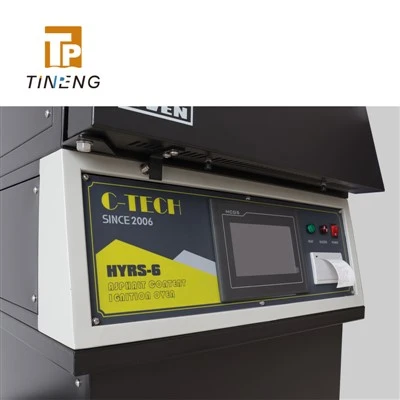
First, let’s define what “general equipment” actually means for this conversation. When we sell general equipment, we’re talking about items designed for everyday use across multiple industries: power tools for woodworking, commercial kitchen appliances, construction equipment like mini excavators or pressure washers, office printing gear, and even things like warehouse forklifts. These aren’t specialized, regulated items like medical devices (which need FDA approval) or heavy military-grade machinery. So why do so many people ask about licenses? Because they’ve heard horror stories—like a friend who got a $10,000 fine for running a forklift without a certification, or a small café that got shut down for operating a commercial oven without a permit. The confusion comes from mixing up equipment operation with equipment ownership.
Let’s start with the operation side. For the most part, you don’t need a federal or state-issued license just to own or turn on a general piece of equipment. If I buy a circular saw from my store to build a deck in my backyard, I don’t need to fill out any paperwork, take a test, or pay a fee. That’s true for residential use of almost all general equipment. The rules start to shift when you use that equipment for commercial purposes, or when the equipment itself is heavy or has the potential to cause serious harm. For example, a mini excavator is a general construction piece of equipment, but most U.S. states require operators to have a commercial driver’s license (CDL) if it’s transported on a public road, and some require a separate certification for operating heavy machinery. I remember a customer last year who bought a used mini excavator from us to clear land for a personal garden—he didn’t need any certification, but when he tried to rent it out to a local developer two months later, he had to get a 40-hour OSHA-approved heavy equipment operator course to stay compliant.
Kitchen equipment is another common gray area. A residential refrigerator is just a household appliance, no license needed. But a commercial walk-in cooler or a pizza oven? Most cities require a business license to operate, and sometimes a specific food service permit that covers the equipment. That’s not a requirement from the equipment manufacturer or the supplier—it’s a local government regulation, designed to make sure commercial spaces meet safety and health standards. I’ve had restaurant owners come to us upset because they thought the general commercial equipment they bought would just work without extra paperwork. We always walk them through checking their local city clerk’s office website before delivery, because rules vary by neighborhood—some small towns don’t require a separate equipment permit for small cafes, while major cities like Chicago or New York do.
There are exceptions, of course, that trip even long-time business owners up. For example, aerial work platforms (like boom lifts or scissor lifts) are general equipment used by painters, electricians, and landscapers. OSHA requires anyone operating one at heights over 6 feet to have a specific aerial lift certification, regardless of whether you’re working residential or commercial. That’s a federal rule, not a local one, and it’s designed to prevent falls—one of the most common workplace injuries in the trades. I always make sure to mention that when a customer buys a boom lift from us; we even share free links to OSHA’s 15-minute certification course so they can get up to speed quickly. On the other end, small general tools like drills, sanders, or hand-held power saws have no federal or state licensing requirements for commercial use. The only red tape is basic business licensing that every company needs to operate, no matter what equipment they use.
Now, as a supplier, my job isn’t to give legal advice—that’s what attorneys are for. But I can tell you that over the years, I’ve helped hundreds of customers avoid mistakes that cost them time and money. The biggest misconception I see is that if a piece of equipment is labeled “commercial grade,” it automatically requires a license to operate. That’s not true. Commercial grade just means it’s built to handle heavy, daily use, not residential use. For example, a commercial stand mixer from our store is designed for bakeries making 10 batches of bread a day, vs. a residential mixer for home bakers making one. But you don’t need a special license to use the commercial one—you just need your city’s business license to run a bakery.
Another point I want to make: some industries have their own internal requirements that aren’t legal mandates, but are industry standards. For example, general equipment rental companies often require renters to have basic experience with the equipment, even if it’s not required by law. I work with a lot of rental partners who won’t rent a power washer to someone who can’t explain how to adjust the pressure, because they don’t want the renter to damage the equipment or hurt themselves. That’s not a license, but it’s a good practice for anyone using general equipment for the first time. We offer free 20-minute training sessions for all our commercial equipment buyers, whether they’re new or experienced, because a little training goes a long way in preventing accidents.
Let’s talk about small business owners specifically, because they’re the ones who usually ask this question. I’ve had a customer who opened a small woodworking shop in his garage, bought a table saw, planer, and dust collection system from us. He thought he needed a state license to operate the equipment, but all he needed was a city business license and compliance with OSHA’s workplace safety standards (which cover things like dust extraction, not a license for the tools themselves). Another customer, a landscaper, bought a leaf blower and trimmer from us and thought he needed a heavy equipment operator license—those tools are general handheld equipment, so no license required, just a valid business license for his landscaping company. The only time he would need extra credentials was if he used a tree trimmer that’s mounted on a truck, which is a specialized piece of equipment with its own regulations.
It’s also important to distinguish between equipment operation and equipment modification. If you’re buying general equipment and modifying it—say, adding a custom attachment to a power saw, or altering a commercial oven to fit a smaller space—that’s when some regulations come into play. Modifications can change the equipment’s safety rating, and many areas require a licensed electrician or mechanic to do the work to keep it compliant. But that’s about the modification, not the operation of the original unmodified equipment.
I think the key takeaway here is that there’s no one-size-fits-all answer. No, you don’t need a license to own or operate most general equipment for personal use. For commercial use, you usually don’t need a specific equipment license, but you do need to check two places: your local government’s business and permit requirements, and any federal or industry-specific rules for the equipment type. OSHA’s website is a great resource for federal workplace safety rules, and your local city clerk’s office can tell you about any local permits for commercial equipment operation.

As a supplier, I’m always here to help. We don’t require any special licenses to sell general equipment, but we make it a point to go over the basics with every customer. We’ll tell you if a piece of equipment has any known regulatory requirements in your area, share resources for certifications if they’re needed, and even connect you with local experts who can answer more specific questions. Whether you’re a first-time buyer outfitting a small shop, a contractor adding tools to your fleet, or a café owner upgrading your kitchen, we can walk you through what you need to stay compliant, no jargon, no fine print.
Concrete Testing Equipment If you’re in the market for general equipment and want to make sure you’re following the right rules for your use case, feel free to reach out to our team to chat through your needs. We can answer questions about licensing, equipment suitability, and help you find the right pieces for your project or business.
References
- Occupational Safety and Health Administration. "General Equipment and Machinery Standards." U.S. Department of Labor, 2024.
- Small Business Administration. "Local Permits and Licenses for Commercial Equipment." U.S. Small Business Administration, 2023.
- National Association of Home Builders. "Residential vs. Commercial General Equipment Regulations." NAHB, 2024.
- International Code Council. "Commercial Kitchen Equipment Permit Requirements." ICC, 2023.
Zhuozhou Tianpeng Imp. and Exp. Trade Co., Ltd.
Zhuozhou Tianpeng Imp. and Exp. Trade Co., Ltd. is one of the most professional general equipment manufacturers and suppliers in China, featured by quality products and good price. Please rest assured to buy advanced general equipment made in China here from our factory. Customized orders are welcome.
Address: Building C28, Hegu Technology Industrial Park, Development Zone, Zhuozhou, Hebei, China
E-mail: zhangdajing@testmould.com
WebSite: https://www.testmould.net/
