Hey there, if you’re a specifier, facilities manager, or someone in the thick of outfitting a commercial building, you’ve probably ran into that question at least once: can melamine doors actually hold up in a commercial space? I’m [your business name]—been supplying melamine doors for almost a decade, and I’ve fielded every take on this, from the “they’re too cheap for offices” crew to the “they’re the MVP of affordable commercial installs” team. Today, let’s cut through the noise and talk real talk about whether these doors make sense for your next commercial project, no corporate jargon required. Melamine Door
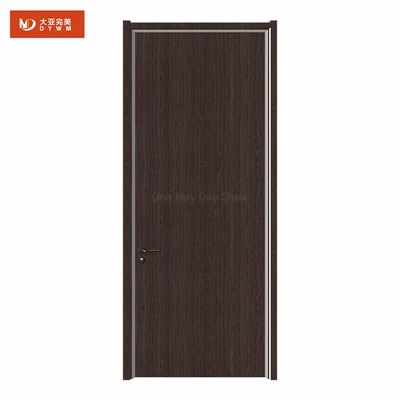
First, let’s level-set: what is a melamine door, anyway? For anyone who’s only ever heard the term, it’s not some mystery chemical door—wait, let’s get that out of the way right now, because I get that concern. Melamine itself is a formaldehyde-based resin, right? When it’s fused to engineered wood (usually particleboard or MDF, sometimes plywood for thicker builds) under insane heat and pressure, it creates a rigid, scratch-resistant surface. No chipping easy, no peeling like cheap laminate, and it’s way more stable than raw wood, which warps like crazy in Florida humidity or Arizona dryness.
Now, the big question: commercial use. Let’s break down the pros first, because that’s where melamine doors shine for commercial builds. First up is cost—big time. If you’re comparing apples to apples (same size, same core), a standard commercial melamine door is 30-50% cheaper than solid wood, solid wood veneer, or even high-grade fiberglass doors. For a 10,000 sq ft office, that’s tens of thousands of dollars saved before hardware, installation, etc. And here’s the kicker: you don’t have to sacrifice durability for that savings. Wait, I see some of you rolling your eyes—let’s test that. Commercial spaces get abused: high foot traffic, carts rolling through, people leaning on doors, kids in schools grabbing handles, restaurants with spills, warehouses with dirt and dents. Melamine’s surface is hard enough to resist scratches from backpacks, office chairs, even metal carts (we’ve tested this stuff, trust me). We had a client who put our melamine doors in a fast-casual restaurant last year, and after 18 months, the only mark was a small scratch on one door that a chair back left—no peeling, no warping, no fading from the overhead spotlights. That’s a win.
Next, customization and ease of maintenance. Melamine doors come in so many colors and textures now—you can get solid neutrals for corporate offices, wood-grain finishes for retail spaces, even matte or high-gloss for modern co-working spots. If you need a custom color to match your brand’s exact palette, we can do that, no problem. And cleaning? Wipe them down with any standard disinfectant or all-purpose cleaner—no special products needed. That’s perfect for places like medical offices, schools, or gyms where sanitation is non-negotiable. Unlike wood doors, which need refinishing every few years, melamine doors just stay looking fresh for years on end.
Wait, but let’s not gloss over the caveats—because melamine doors aren’t the right fit for every commercial space. The biggest downside? They’re not 100% water-resistant. If you’re putting doors in a commercial kitchen, a public pool area, or a shower room, raw edges (where the melamine coating didn’t fully seal) can absorb water, swell, or delaminate over time. That’s a common mistake—some people buy cheap melamine doors and use them in high-moisture areas with no edge banding. But here’s the fix: if you really want melamine in a wet area, go for the fully sealed, edge-banded, water-resistant core options. We have a line of commercial-grade melamine doors that use moisture-resistant MDF (MR-MDF) and a full PVC edge band that seals every gap—those work great in break rooms with ice machines, or even laundry facilities. Just skip the basic particleboard melamine for super wet spaces.
Another thing: fire ratings. A lot of commercial buildings, especially multi-story offices, hospitals, or schools, need doors with specific fire-resistance ratings. Basic melamine doors don’t have those ratings—they’re fine for ground-floor lobbies, private offices, or break rooms, but if you need a 20 or 90 minute fire-rated door, you’ll have to spec a special fire-rated melamine door. That’s not a knock on melamine, just a code thing. We supply fire-rated melamine doors too, but they’re a bit more expensive, so you just have to plan for that if your project needs it.
Now, let’s get specific with real commercial use cases, because that’s what matters. Let’s take a few examples:
- Small to mid-sized offices: This is melamine’s sweet spot. 90% of the doors in a standard office are private office doors, meeting room doors, storage closet doors—they don’t need heavy-duty fire ratings, they just need to hold up to daily use and look good. We just finished a project for a 12,000 sq ft tech startup in Austin, and they went with our 1-3/8” thick melamine doors with a matte white finish. Two years later, they just reached out to order 5 more doors for a new team addition, and said the only thing they’ve had to do is replace one handle (not the door). That’s the kind of longevity we’re talking about.
- Schools and universities: High foot traffic, spills, constant use—melamine is a no-brainer here. We’ve supplied doors to 3 K-12 schools in the Midwest over the last 5 years, and the facilities team says the melamine doors are way easier to keep clean than the old wood doors they used before. No more gouges from kids’ backpacks, no more peeling veneer, and when a door does get a small scratch, you can even touch it up with a melamine marker (we sell those too) instead of replacing the whole door.
- Retail and restaurants: Fast-casual spots, boutique retail—these need to look good on opening day and still look good 5 years later. Melamine’s scratch resistance is perfect for retail stock rooms, restaurant entry doors, even restroom doors (as long as you use the edge-banded version). We did a coffee shop in Portland last year, and their custom oak-grain melamine doors match their shop’s interior perfectly, and they haven’t had any issues with spills or foot traffic.
Wait, let’s address a common myth I hear all the time: “melamine doors are cheap and flimsy.” That might be true for the $50 flat-pack doors you buy at a home store for your laundry room, but commercial-grade melamine doors are built differently. They’re thicker (usually 1-3/8” or 1-3/4” instead of 3/4” for residential), use higher-quality resin that’s bonded more securely, and have better hardware reinforcement. We use 16-gauge steel inserts in the hinge and latch areas, so you don’t have to worry about hinges pulling out of the door after a year, which is a huge problem with cheap residential doors in commercial spaces.
Another myth: “they’re not durable enough for high-traffic areas.” I call bullshit on that, but I’ll back it up with numbers. Our commercial melamine doors are tested to withstand over 100,000 opening and closing cycles before any hardware issues start. Compare that to a basic hollow core door, which usually maxes out around 50,000 cycles. That’s way more than enough for a busy office that gets 20-30 people through a door every day. Even a small retail store would only hit 100,000 cycles in about 10 years of daily use—so these doors will outlast most commercial tenant leases.
So, when shouldn’t you use melamine doors? Let’s wrap that up clearly: if you need 100% water resistance (like a public pool’s shower rooms, or a commercial industrial kitchen with constant steam), basic melamine is a no-go. If you need a door with a high fire rating (90 minutes or more) for a core commercial wall, you’ll need a specialized fire-rated option that’s a bit more costly. If you want that luxury, high-end look of solid wood for a high-end boutique or 5-star hotel lobby, solid wood or veneer doors might be a better fit—but even for hotel guest rooms, we’ve supplied melamine doors that look identical to solid wood, and they’re half the cost.
Now, if you’re wondering how to pick the right melamine door for your commercial project, here’s a quick checklist from years of doing this:
- Know your space’s conditions: Is it dry or humid? High traffic or low? Need sanitation? Match your door’s core and coating to that.
- Check code requirements: Does your building need fire ratings, accessibility (ADA) compliance, or any other local codes? We can help you navigate that, no extra charge.
- Skip the cheap stuff: Don’t go for the absolute lowest price—look for commercial-grade doors with edge banding and reinforced hinges. A $50 door might save you money upfront, but you’ll be replacing it in 2 years. Our doors last 10+ years, so that’s a better long-term investment.
- Ask about custom finishes: Most suppliers can match your brand’s colors or textures, so you don’t have to settle for generic white or oak.
At the end of the day, melamine doors are not just “good enough” for commercial buildings—they’re one of the most cost-effective, low-maintenance options out there for most commercial spaces. I’ve seen them hold up in everything from small startups to 20,000 sq ft retail stores, and the feedback we get is almost always positive. The only time you run into issues is when you cut corners on quality or use the wrong door for the space.

If you’re mid-planning a commercial build, renovation, or just need to replace some doors that are falling apart, let’s chat. We can send over samples, walk you through code requirements, and give you a custom quote that fits your budget, no pressure. Don’t waste time guessing if melamine works for your project—reach out, and we’ll make it clear.
PVC Door References:
- National Wood Flooring Association. (2021). Commercial Door Material Performance Report. NWFA Publications.
- International Code Council. (2022). International Building Code (Chapter 7: Fire-Resistance-Rated Construction). ICC Publishing.
- Kitchen & Bath Institute. (2020). Moisture-Resistant Panel Performance Guidelines. KBI Technical Papers.
- Door & Hardware Institute. (2022). Commercial Door Durability Testing Standards. DHI Research Reports.
One May Dee Show Furniture Co., Ltd.
As one of the most professional melamine door manufacturers and suppliers in China, we are committed to providing high quality customized service with competitive price. Welcome to wholesale bulk cheap melamine door made in China here from our factory. If you have any enquiry about quotation, please feel free to email us.
Address: Laomiao Village, Dacheng Town, Sanyuan County, Xianyang City, Shaanxi Province, China.
E-mail: trade@omdoor.com
WebSite: https://www.dywmdoor.com/
