If you’ve ever walked through a reclaimed wood showroom, noticed a sleek wood veneer accent wall in a modern café, or run your hand over the thin, patterned surface of a furniture piece in a local design shop, you’ve probably encountered wood veneer—one of the most versatile and often misunderstood materials in the wood industry. For years, I’ve worked as a wood veneer supplier, fielding the same question from architects, furniture makers, and even residential DIYers: Can wood veneer be recycled? It’s a question that’s rooted in both practicality (no one wants to toss a perfectly good material in a landfill) and confusion, because thin veneer feels different from solid lumber, and its manufacturing process leaves a lot of people wondering if it can be processed like other wood waste. The short answer is yes, but with important nuances that I’ve learned navigating this space for over a decade. Let me break this down, not as an industry expert spouting jargon, but as someone who’s hauled leftover veneer off job sites, collaborated with recycling facilities, and watched my own customers struggle to figure out what to do with their cutoffs. Wood Veneer
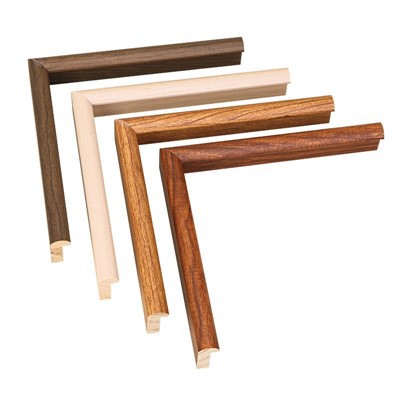
First, let’s get clear on what wood veneer actually is, because that’s where most of the confusion starts. Veneer is a thin slice of wood—usually between 0.6mm and 3mm thick—cut from a log (or sometimes reclaimed lumber) using methods like rotary peeling, slicing, or sawing. It’s glued to a core material (usually particleboard, MDF, or plywood) to make flat panels, which are then used for everything from cabinetry and countertops to interior architectural features and decorative goods. The key here is that not all veneer is the same, and that core pairing is a huge factor in whether it can be recycled. Early in my career, I assumed all veneer scrap was the same as solid wood, until a customer brought me a trash bag full of leftover cabinet veneer scraps and told me the local recycling center turned them away because of the MDF core. That’s when I realized the line between “veneer” and “coated wood products” is blurry for both suppliers and recyclers.
So, let’s talk about why recycling wood veneer isn’t as straightforward as tossing a scrap of solid oak in your curbside bin. Traditional curbside wood recycling programs are designed for bulk solid wood—think old pallets, fallen tree branches, or dismantled wooden furniture. These facilities process wood into wood chips, mulch, or biomass fuel, but they require materials that are free of contaminants like adhesives, paint, or synthetic coatings. That’s where veneer hits a snag: 90% of the veneer I supply is glued to a pressed wood core, and even the leftover raw veneer (the thin cutoffs from when we trim panels to size) often has residual adhesive or finishes from the manufacturing process. If you toss that into a curbside bin, it can contaminate entire loads of solid wood, because the smaller, lighter veneer scraps don’t separate easily during sorting. I’ve seen first-hand a load of clean pallet wood rejected at a recycling center because a small bin of veneer scraps was mixed in— that’s the last thing anyone wants when they’re trying to be sustainable.
But here’s the part that many people don’t hear: specialty wood recycling facilities do accept wood veneer, as long as it’s sorted correctly. For example, at a facility I’ve partnered with for years, they process both raw veneer cutoffs (the unglued, uncoated slices we trim from our production runs) and veneer scraps that are removed from finished panels before they reach their end life. Let’s break down the two main types of veneer waste, because they each have different recycling pathways: post-industrial veneer waste (the scraps and offcuts we generate during manufacturing) and post-consumer veneer waste (the old cabinet panels, countertops, or furniture that reach the end of their useful life).
Post-industrial waste is the easiest to recycle, because it’s generated in a controlled environment. When we process veneer, we produce about 10-15% waste in the form of edge trim, offcuts from mis-cut panels, and leftover veneer sheets that have minor defects (like a small knot or grain inconsistency). For years, we used to send this waste to a landfill, until a local biomass facility reached out to us and said they’d take it, as long as we removed any plastic wrapping or metal fasteners that sometimes get mixed in. Now, we sort all our post-industrial veneer waste: clean, uncoated raw veneer goes to the biomass facility to be burned for renewable energy, while veneer that’s still in good condition (no defects, no adhesive on the back) is sent to a reclaimed wood supplier to be repurposed. Just last year, a batch of 500 square feet of raw walnut veneer offcuts we had left from a custom kitchen order was turned into small decorative wall panels for a local boutique. It’s not going into a landfill, and it’s keeping perfectly good wood in circulation.
Post-consumer veneer waste is trickier, but it’s not impossible. The biggest challenge here is the core material and any finishes applied to the veneer. For example, a 10-year-old kitchen cabinet with oak veneer glued to an MDF core—can that be recycled? It depends on the facility. Some specialty wood recyclers can separate the veneer from the MDF core using high-temperature processing or mechanical grinding, but it’s an extra step that many curbside programs don’t have the capacity for. That said, there’s a growing market for repurposed veneer, and many designers and small businesses are happy to take old veneer panels that are still in good shape. A few months ago, I connected a customer who was remodeling their living room to a small woodworking shop that reclaimed old cabinet veneer to make jewelry boxes and wall art. Instead of sending it to the dump, that veneer got a second life, and that’s the kind of circular solution that’s gaining traction in our industry.
I also want to address the common misconception that veneer is a “less sustainable” alternative to solid wood because it’s thin. In my experience as a supplier, veneer is actually one of the more sustainable wood products on the market, because it uses 80-90% less wood than solid lumber for the same surface area. A single log can produce enough veneer to cover a 100-square-foot wall, whereas solid lumber would only cover 10-15 square feet. So when veneer does reach the end of its life, recycling it keeps that valuable wood fiber in use, instead of turning it into waste. That said, there are steps we as suppliers, manufacturers, and consumers can take to make veneer recycling more accessible.
Over the years, I’ve worked with other wood veneer suppliers to create a standardized sorting system for post-industrial veneer waste. We label all our offcuts clearly, separate raw veneer from finished panels, and remove any adhesive or packaging before sending it for recycling. We also educate our customers on how to sort their own veneer waste: if you’re a furniture maker, keep raw veneer scraps separate from finished pieces; if you’re a homeowner remodeling, ask your local recycling facility if they accept wood veneer, or reach out to a reclaimed wood supplier before tossing old panels.
One of the biggest changes I’ve seen in the last five years is the rise of closed-loop veneer manufacturing. Some suppliers are now processing post-consumer veneer waste directly into new veneer, using mechanical stripping to remove the old core and grind the wood fiber into new slices. It’s not yet a widespread process, but it’s growing, and I’ve been lucky enough to partner with a small mill that’s testing this method. Last year, we used 200 square feet of reclaimed cherry veneer to produce custom panels for a luxury hotel, and that veneer will eventually be recycled again when the hotel renovates in 20 years. It’s a small step, but it’s proof that the circular model is possible for veneer.
Of course, there are still barriers. Not every community has a specialty wood recycling facility, and many curbside programs don’t accept veneer, especially if it’s paired with a synthetic core. That’s why I always encourage customers to ask when they’re ordering veneer: “What happens to the waste from this project?” as well as “How do I recycle this when it’s done?” As an industry, we need to prioritize transparency around end-of-life processes, because that’s the only way we’ll make recycling veneer as common as recycling glass or plastic.
I’ve also learned that small, individual actions add up. A few years ago, a regular customer who runs a furniture manufacturing shop started saving all their veneer offcuts in labeled bins, and now local woodworkers pick them up for free to make small goods like coasters and pen blanks. That customer has reduced their veneer waste by 70% in three years, and they’ve built a network of small businesses that rely on their scraps. It’s a simple solution, but it’s one that works, and it’s something every supplier and consumer can do.

At the end of the day, the question “Can wood veneer be recycled?” isn’t a yes or no answer—it’s a “yes, but only if we do it right.” It depends on sorting, facility access, and a willingness to look beyond traditional curbside recycling. As a wood veneer supplier, my job isn’t just to sell high-quality veneer; it’s to help my customers make choices that are sustainable from start to finish. That means sharing resources for recycling, connecting customers with reclaimed wood suppliers when they have leftover veneer, and advocating for better recycling infrastructure in our local communities.
Cabinet Door Panel If you’re a designer, furniture maker, architect, or homeowner working with wood veneer, and you have questions about how to manage your waste, or you’re looking for high-quality, sustainably sourced veneer, I’m here to help. I’ve spent years navigating this space, and I can share tips on sorting, recycling, and even finding creative ways to repurpose leftover veneer. Let’s work together to keep wood out of landfills and support a more circular wood industry.
References
- Forest Stewardship Council (FSC). "Veneer Production and Sustainability." FSC International, 2023.
- Wood Waste Recycling Association (WWRA). "Best Practices for Processing Wood Veneer Waste." WWRA Annual Report, 2022.
- U.S. Environmental Protection Agency (EPA). " Sustainable Management of Wood Products and Waste." EPA Office of Resource Conservation, 2021.
- Reclaimed Wood & Veneer Association (RWVA). "Circular Economy Models for Veneer Products." RWVA Industry Guide, 2023.
- International Wood Products Association (IWPA). "Sorting Guidelines for Wood Veneer Recycling." IWPA Technical Bulletin, 2022.
Yongkang City Dashu Decorative Materials Co., Ltd.
As one of the most professional wood veneer manufacturers and suppliers in China, we have world-leading production equipment and strong manufacturing capabilities. Please rest assured to buy bulk customized wood veneer at low price from our factory.
Address: No. 1199, Huajie West Avenue, Huajie Town, Yongkang City
E-mail: m13506791251@163.com
WebSite: https://www.dashutrim.com/
