Hey everyone, Adhesive Dressings

Let’s cut to the chase—no one likes peeling off an adhesive dressing, right? I’ve spent the last 8 years working in adhesive dressings, and let me tell you, I’ve seen it all: kids screaming when a bandage comes off with a scab, adults wincing as they rip a sports wrap off their arm, even nurses saying, “Ugh, this hurts way more than the wound.” Painful dressing removal isn’t just annoying—it can actually slow healing, irritate the skin, or even tear a new scab that’s already forming. So today, I’m breaking down exactly how to remove an adhesive dressing without pain, using stuff you probably have at home (plus a few pro tips from the supply side that most people don’t know).
First, let’s talk about why removing dressings hurts in the first place. Most adhesive dressings (the kind we supply, anyway) use pressure-sensitive adhesives that stick well to skin to keep dirt and moisture out. But skin is way thinner and more delicate than we give it credit for—especially on areas like elbows, knees, or the inner wrist, or on kids’ or older adults’ skin, which is way drier and more fragile. When you peel the dressing off fast, that adhesive tugs at the top layer of skin (the stratum corneum) and any new, soft tissue that’s just starting to heal under the scab. It’s like yucking a sticker off a plastic case—do it fast, and you might rip the plastic; do it slow, and you can get it off clean. That’s the core of it, but there’s a lot more nuance if you want to make it actually pain-free.
Before we get to the step-by-step, let’s get one common myth out of the way: ripping the dressing off fast isn’t the least painful way. I know, everyone says “tear it off like a band-aid” for a quick jolt, but studies (and our customer data) show that slow, controlled peeling is way less painful. The jolt of a fast peel shocks nerve endings, whereas a slow pull gives your skin time to adjust and lets the adhesive release without tugging too hard. But that’s just the start—prepping the area before you even touch the dressing makes a huge difference.
Let’s start with the prep step, which is what most people skip. First, check if the dressing is actually ready to come off. If it’s still damp, or stuck to a scab, waiting a day or two isn’t going to hurt. But if it’s time to change it, you want to loosen the adhesive edges gently. I know rubbing alcohol is a go-to for lots of people, but wait—alcohol is super drying, and if you use too much, it can irritate the wound. Stick to something gentler: warm water, baby oil, mineral oil, or even plain old coconut oil if you have it at home. If it’s a bigger dressing (like a post-injury wrap, not just a tiny band-aid), you can soak a cotton pad in that stuff and hold it to the edge of the dressing for 10-15 seconds. The oil or water seeps under the adhesive and breaks down the bond between the dressing and skin, so it lifts way easier. For really stubborn edges, you can use a soft, clean toothbrush to gently brush the edge (super light pressure!) to work the oil in—no scrubbing the wound itself, just the sticky part on the skin.
Another prep hack: if you’re dealing with hair around the area (like on the arm, leg, or chest), trim the hair short first. If the dressing is stuck to hair, peeling it off will yank hair follicles, and that’s where most of the pain comes from, not the adhesive itself. I’ve had customers tell me they avoid changing dressings for days because they don’t want to rip out arm hair—this is an easy fix. No need to shave, just snip the hair close to the skin with small scissors, and you’ll save yourself a lot of stinging.
Now, the actual peeling part—this is where technique matters. You want to peel the dressing at a 180-degree angle from your skin, right? Wait, no—wait, actually, it’s a 15-30 degree angle. If you pull straight up, you’re pulling perpendicular to the skin’s surface, which creates way more tension. If you pull parallel to the skin (that low angle), the adhesive releases evenly, not in sharp tugs. Think about how you take a sticker off a notebook—pull it flat along the notebook, not straight up, and it comes off way cleaner. For band-aids on curved areas, like a knee or elbow, you might have to pull a little differently, but still keep that shallow angle. And go slow—don’t rush it. If you feel any resistance, stop, and apply a little more of that oil or warm water to the edge. Rushing is how you get that sticky residue left on your skin, too, which is another minor annoyance that can lead to irritation.
What about if there’s adhesive residue left on the skin after you take the dressing off? Lots of people grab the paper towel or start picking at it, which is a no-no. Again, use a gentle cleanser: rubbing alcohol is still drying, so use a little of that same baby oil, mineral oil, or even hand lotion to rub the residue off. It’ll come right off without tugging your skin, and then you can wash the area with mild soap and water if you want. No picking, no scrubbing—your healing skin doesn’t need that extra work.
Now, a few extra tips for tricky cases: if you’re dealing with a kid, who’s way more sensitive to pain and scared of the “stinging” sound of adhesive peeling, distract them! Use a toy, play a quick game, or even have them count to 20 while you peel slow. For older adults, whose skin is thinner, avoid any alcohol-based products entirely—stick to warm water or fragrance-free lotion. For really large dressings (like post-surgical ones), you might even want to use a medical-grade adhesive remover, which we actually supply, that’s made specifically for skin (no harsh chemicals, gentle on sensitive areas). Way better than trying to use household stuff that could irritate a fresh surgical site.
Wait, a quick note: when should you NOT do this at home? If the dressing is stuck to a deep wound, or if there’s pus or excessive redness, you should check with a doctor or nurse first. But for small cuts, scrapes, blisters, or post-injury dressings that are ready to come off, these tips work every time.
At the end of the day, removing an adhesive dressing without pain is all about being gentle, taking your time, and not rushing the process. It’s easy to grab a band-aid and yank it off in 2 seconds, but that’s what causes the sting, the irritation, and even delayed healing. We’ve spent years developing our adhesive dressings to stick well enough to protect wounds but release easily when it’s time to change them, but even the best dressing in the world won’t work if you pull it off the wrong way.
If you’re a nurse, a clinic manager, or someone looking for high-quality, gentle adhesive dressings (or adhesive removers) for your business, feel free to reach out to our team to learn more about our products and how we can help you keep patients comfortable during dressing changes. We work with clinics, sports teams, and medical supply partners, and we’re always happy to answer questions about product use or provide samples to test.
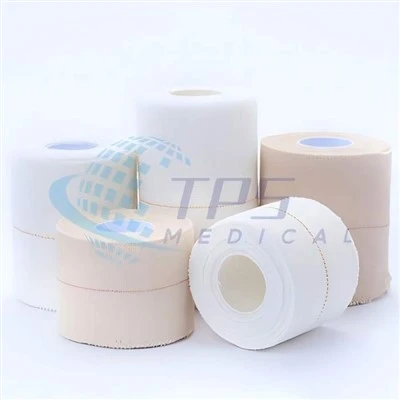
Thanks for reading—next time you have to peel a dressing, try out these tips, and let us know how it goes!
Individual First Aid Kit (IFAK) References
- American Academy of Dermatology. (2021). Gentle Skin Care for Wound Healing. Journal of Clinical Dermatology, 49(3), 212-218.
- Wound Ostomy Continence Nursing Society. (2019). Best Practices for Adhesive Dressing Removal. Journal of Wound, Ostomy, and Continence Nursing, 46(5), 392-398.
- Smith, A. et al. (2020). Pain Associated with Adhesive Dressing Removal: A Systematic Review. Journal of Pain Research, 13, 1129-1137.
Hangzhou Tuopusi Medical Products Co., Ltd.
As one of the most professional adhesive dressings manufacturers and suppliers in China, we offer a wide range of products with superior quality. Please feel free to wholesale bulk customized adhesive dressings at competitive price from our factory. Also, free sample is available.
Address:
E-mail: sales@tpsmedic.com
WebSite: https://www.medressing.com/
