Do wind vanes need electricity to operate?
As a supplier in the field of wind vanes, I often get asked a fundamental question by potential customers, architects, and even curious individuals: "Do wind vanes need electricity to operate?" This question stems from a variety of considerations, including people’s assumptions about modern technology and the need for energy in many of our daily devices. Today, I aim to delve into this topic comprehensively, shedding light on the science behind wind vanes and their energy requirements. Wind Vanes
The Basics of Wind Vanes
Before we discuss the energy aspect, let’s first understand what wind vanes are and how they work. A wind vane, also known as a weather vane, is a simple yet ingenious instrument used to determine the direction of the wind. It has been an integral part of meteorology and various industries for centuries.
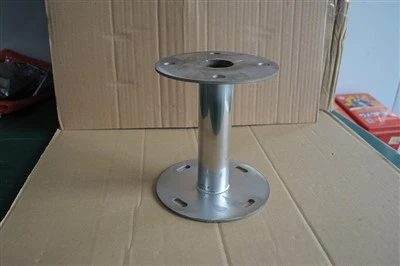
The basic design of a wind vane consists of a flat surface or a set of blades that are attached to a central rod. This rod is mounted on a pivot, allowing the vane to rotate freely. The shape of the vane is asymmetrical, with one side being broader or having more surface area than the other. When the wind blows, it exerts a greater force on the larger side of the vane, causing it to turn until it aligns with the wind direction. The end of the vane that points into the wind indicates where the wind is coming from.
The Non – Electric Operation Principle
The beauty of wind vanes lies in their simplicity and the fact that they do not require electricity to function. The operation of a wind vane is purely based on the physical principles of aerodynamics and mechanics. The force of the wind acting on the vane’s surface creates a torque, which causes the vane to rotate around its pivot point.
This natural operation has several advantages. Firstly, it makes wind vanes extremely reliable. Since there are no electrical components that can malfunction, such as motors, sensors, or wiring, the chances of a mechanical wind vane breaking down are relatively low. They can withstand harsh weather conditions, including strong winds, heavy rain, and extreme temperatures, without the risk of electrical short – circuits or component failures.
Secondly, non – electric wind vanes are cost – effective. There are no ongoing electricity costs associated with their operation, and their initial purchase price is often more affordable compared to their electronic counterparts. This makes them an attractive option for a wide range of applications, from small residential rooftops to large agricultural fields or industrial sites.
Applications of Non – Electric Wind Vanes
Residential Use
In residential settings, wind vanes are not only functional but also serve as decorative elements. Many homeowners install them on their rooftops to add a touch of charm and character to their houses. They can be used to determine the wind direction, which can be useful for activities such as flying a kite, drying clothes outdoors, or even for general weather awareness.
Agricultural Use
In the agricultural sector, wind vanes play a crucial role. Farmers can use them to understand wind patterns, which is important for tasks like spraying pesticides or fertilizers. By knowing the wind direction, they can ensure that the chemicals are dispersed in the right direction, minimizing the risk of drift and ensuring effective application. Additionally, wind vanes can help in planning the layout of farms, such as the placement of windbreaks or the orientation of greenhouses.
Industrial Use
Industries also rely on non – electric wind vanes. In factories and manufacturing plants, wind direction information is essential for ventilation systems. By knowing the wind direction, engineers can design ventilation systems that effectively remove pollutants and maintain a healthy working environment. Wind vanes are also used in the oil and gas industry, especially in offshore platforms, to monitor wind direction for safety and operational purposes.
Electric Wind Vanes: A Different Story
While traditional wind vanes operate without electricity, there are also electric wind vanes available in the market. These modern devices are often used in more advanced meteorological stations, airports, and scientific research facilities.
Electric wind vanes incorporate sensors and electronics to measure not only the wind direction but also other parameters such as wind speed. The sensors convert the mechanical movement of the vane into electrical signals, which are then processed and transmitted to a data logger or a monitoring system. This allows for more accurate and detailed wind data collection, which is crucial for applications where precise weather information is required.
However, the use of electricity in these wind vanes comes with its own set of challenges. They require a power source, which could be a battery, a solar panel, or a direct connection to the electrical grid. This means that there are ongoing costs associated with powering the device, and in the case of battery – powered models, there is a need for regular battery replacement or recharging. Additionally, the electronic components are more vulnerable to damage from environmental factors, such as lightning strikes or extreme cold.
Why Choose Non – Electric Wind Vanes as a Supplier
As a supplier of wind vanes, I strongly believe in the value of non – electric wind vanes. They offer a simple, reliable, and cost – effective solution for a wide range of customers. Whether you are a homeowner looking to add a decorative touch to your property, a farmer in need of basic wind direction information, or an industrial operator seeking a low – maintenance wind monitoring device, our non – electric wind vanes are the perfect choice.
We offer a diverse range of wind vanes in different shapes, sizes, and materials. From classic rooster – shaped wind vanes to more modern and minimalist designs, we have something to suit every taste and requirement. Our wind vanes are made from high – quality materials, such as stainless steel, copper, and aluminum, ensuring durability and long – term performance.
Contact Us for Procurement
If you are interested in purchasing wind vanes for your project, whether it’s a small residential installation or a large – scale industrial application, we would love to hear from you. Our team of experts is ready to assist you in selecting the right wind vane for your needs and providing you with all the necessary information and support.
Airport Gate Signs We understand that every customer has unique requirements, and we are committed to offering personalized solutions. Whether you need a custom – designed wind vane or advice on installation and maintenance, we are here to help. So, don’t hesitate to reach out to us to start a procurement discussion.
References
- Ackerman, B., & Knox, J. (2003). Meteorology: Understanding the Atmosphere. Thomson Brooks/Cole.
- Stull, R. B. (1988). An Introduction to Boundary Layer Meteorology. Kluwer Academic Publishers.
- Wallace, J. M., & Hobbs, P. V. (2006). Atmospheric Science: An Introductory Survey. Academic Press.
Wuhu Qiahao Metal Products Co., Ltd.
As one of the most professional wind vanes manufacturers and suppliers in China, we warmly welcome you to buy premium wind vanes made in China here from our factory. All customized products are with high quality and competitive price. Contact us for pricelist.
Address: Building 5, No. 3 Yongtai Road, Wanzhi District, Wuhu City, Anhui Province, China
E-mail: 290418907@qq.com
WebSite: https://www.qiahaometal.com/
