A distribution box, often referred to as a panelboard or load center, is a crucial component in any electrical system. As a supplier of distribution boxes, I’ve witnessed firsthand the importance of these devices in efficiently managing and distributing electrical power. In this blog, I’ll delve into the inner workings of a distribution box, exploring its components, functions, and applications. Distribution Box
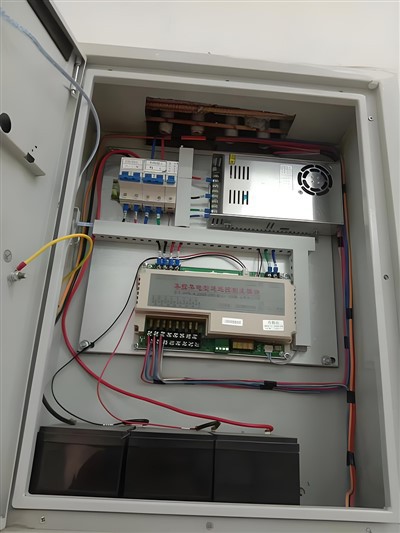
Understanding the Basics of a Distribution Box
At its core, a distribution box is a metal or plastic enclosure that houses electrical circuit breakers, fuses, and other protective devices. Its primary function is to receive electrical power from a main power source, such as a utility company or a generator, and distribute it safely and efficiently to various electrical circuits within a building or facility.
The distribution box acts as a central hub for all electrical wiring, allowing for easy access and control of the electrical system. It provides a convenient location to isolate and protect individual circuits, preventing overloads, short circuits, and electrical fires. By dividing the electrical load into smaller, manageable circuits, the distribution box helps to ensure the safe and reliable operation of the electrical system.
Components of a Distribution Box
A typical distribution box consists of several key components, each playing a vital role in its operation. These components include:
- Main Circuit Breaker: The main circuit breaker is the primary switch that controls the flow of electrical power into the distribution box. It is designed to protect the entire electrical system from overloads and short circuits by automatically shutting off the power when a fault is detected.
- Branch Circuit Breakers: Branch circuit breakers are individual switches that control the flow of electrical power to specific circuits within the building or facility. They are sized according to the electrical load of each circuit and are designed to trip or shut off the power when an overload or short circuit occurs.
- Bus Bars: Bus bars are thick, conductive bars that distribute electrical power from the main circuit breaker to the branch circuit breakers. They are typically made of copper or aluminum and are designed to carry high levels of electrical current.
- Neutral and Ground Bars: The neutral and ground bars provide a common connection point for the neutral and ground wires of the electrical system. The neutral wire carries the return current from the electrical load back to the power source, while the ground wire provides a safe path for electrical current in the event of a fault.
- Enclosure: The enclosure is the outer housing of the distribution box that protects the internal components from damage and provides a safe working environment for electrical personnel. It is typically made of metal or plastic and is designed to meet specific safety standards and requirements.
How a Distribution Box Works
The operation of a distribution box can be divided into several steps:
- Power Input: Electrical power is supplied to the distribution box from a main power source, such as a utility company or a generator. The power enters the distribution box through the main circuit breaker, which is connected to the incoming power lines.
- Power Distribution: Once the power enters the distribution box, it is distributed to the branch circuit breakers through the bus bars. Each branch circuit breaker is connected to a specific circuit within the building or facility, and it controls the flow of electrical power to that circuit.
- Circuit Protection: The branch circuit breakers are designed to protect the individual circuits from overloads and short circuits. When the electrical load on a circuit exceeds the rated capacity of the circuit breaker, the breaker will trip or shut off the power to the circuit, preventing damage to the electrical equipment and reducing the risk of electrical fires.
- Fault Detection and Isolation: In the event of a fault, such as a short circuit or a ground fault, the distribution box is designed to detect the fault and isolate the affected circuit. The main circuit breaker or the branch circuit breaker will trip, shutting off the power to the faulty circuit and preventing the fault from spreading to other parts of the electrical system.
- Power Restoration: Once the fault has been repaired, the circuit breaker can be reset, restoring power to the affected circuit. It is important to ensure that the cause of the fault has been identified and corrected before resetting the circuit breaker to prevent the fault from occurring again.
Applications of Distribution Boxes
Distribution boxes are used in a wide range of applications, including residential, commercial, and industrial settings. Some common applications of distribution boxes include:
- Residential Buildings: In residential buildings, distribution boxes are used to distribute electrical power to various circuits within the home, such as lighting, outlets, appliances, and HVAC systems. They provide a safe and efficient way to manage the electrical load and protect the home from electrical hazards.
- Commercial Buildings: In commercial buildings, distribution boxes are used to distribute electrical power to a variety of electrical systems, including lighting, HVAC, elevators, and security systems. They are designed to handle high levels of electrical current and provide reliable power distribution for the building’s operations.
- Industrial Facilities: In industrial facilities, distribution boxes are used to distribute electrical power to heavy machinery, equipment, and production lines. They are designed to withstand harsh environments and provide reliable power distribution for the facility’s manufacturing processes.
- Renewable Energy Systems: In renewable energy systems, such as solar and wind power systems, distribution boxes are used to distribute the electrical power generated by the renewable energy sources to the electrical grid or to the building’s electrical system. They are designed to handle the unique characteristics of renewable energy sources and provide efficient power distribution.
Benefits of Using a Distribution Box
There are several benefits to using a distribution box in an electrical system, including:
- Safety: Distribution boxes provide a safe and reliable way to manage the electrical load and protect the electrical system from overloads, short circuits, and electrical fires. They are designed to meet strict safety standards and requirements and are equipped with protective devices, such as circuit breakers and fuses, to prevent electrical hazards.
- Efficiency: Distribution boxes help to improve the efficiency of the electrical system by dividing the electrical load into smaller, manageable circuits. This allows for better control of the electrical system and reduces the risk of power outages and equipment damage.
- Flexibility: Distribution boxes are designed to be flexible and can be easily modified or expanded to meet the changing needs of the electrical system. They can accommodate additional circuits and electrical equipment as needed, making them a cost-effective solution for long-term electrical system planning.
- Convenience: Distribution boxes provide a convenient location to access and control the electrical system. They allow for easy installation, maintenance, and troubleshooting of the electrical circuits, reducing downtime and minimizing the risk of electrical problems.
Conclusion
In conclusion, a distribution box is a critical component in any electrical system. It plays a vital role in managing and distributing electrical power safely and efficiently, protecting the electrical system from overloads, short circuits, and electrical fires. As a supplier of distribution boxes, I understand the importance of providing high-quality products that meet the specific needs and requirements of our customers.

If you’re in need of a distribution box for your residential, commercial, or industrial electrical system, I encourage you to contact me to discuss your options. We offer a wide range of distribution boxes in various sizes, configurations, and capacities to meet your specific needs. Our team of experienced professionals can help you select the right distribution box for your application and provide you with the support and expertise you need to ensure its proper installation and operation.
Distribution Chamber Let’s work together to ensure the safe and reliable operation of your electrical system. Contact me today to get started!
References
- Electrical Wiring Handbook, 17th Edition, by Tommy R. Miller
- National Electrical Code (NEC), 2020 Edition, by the National Fire Protection Association (NFPA)
- Electrical Power Distribution Handbook, by Wayne Soares
Anhui Nanxian Electric Co., Ltd.
With abundant experience, we are one of the most professional distribution box manufacturers and suppliers in China. We warmly welcome you to buy advanced distribution box for sale here and get quotation from our factory. All customized products are with high quality and low price.
Address: Factory Unit 03-2, Building 21, Feidong Yinfeng Industrial Park Co., Ltd., Northeast Corner of Manquan Road and Changle Road, Hefei Circular Economy Demonstration Park, Feidong County, Hefei City, Anhui Province.
E-mail: 541580567@qq.com
WebSite: https://www.nxelepower.com/
