Hey there, sports enthusiasts! As a supplier of top – notch sports tapes, I get asked a ton of questions about how and where these nifty products can be used. One query that pops up quite often is, "Can sports tape be used on the elbow?" Well, let’s dive right in and explore this topic. Sports Tapes
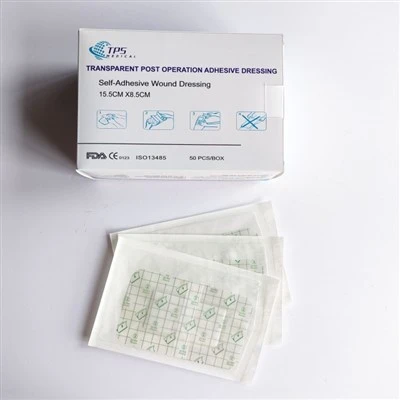
First off, what exactly is sports tape? Sports tape is a flexible, stretchy bandage that’s designed to support muscles, joints, and ligaments during physical activity. It’s made from materials like cotton, polyester, or a blend of both, and it usually has an adhesive backing that sticks to the skin without causing too much irritation. There are different types of sports tape, such as kinesiology tape and traditional athletic tape, each with its own unique properties and uses.
Now, let’s talk about the elbow. The elbow is a complex joint that connects the upper arm and the forearm. It’s involved in a wide range of movements, from simple tasks like lifting a glass of water to more intense activities like throwing a baseball or doing push – ups. Due to its constant use and the various forces it endures, the elbow is prone to injuries. Some common elbow injuries include tennis elbow, golfer’s elbow, and elbow sprains.
So, can you use sports tape on the elbow? The short answer is yes! Sports tape can be a great tool for supporting the elbow and preventing or treating injuries. Let’s look at some of the ways it can help.
Preventing Injuries
When you’re engaging in sports or other physical activities, using sports tape on your elbow can provide extra stability. For example, if you’re a tennis player, your elbow goes through a lot of stress with every swing of the racket. By taping your elbow, you can help reduce the strain on the tendons and ligaments. The tape acts as a sort of external support system, taking some of the pressure off the joint and helping to keep it in proper alignment.
Supporting an Injured Elbow
If you’ve already injured your elbow, sports tape can be a game – changer. In the case of tennis elbow, which is an overuse injury that affects the tendons on the outside of the elbow, kinesiology tape can be particularly effective. You can apply the tape in a way that helps to relieve pain and reduce inflammation. The tape gently lifts the skin, which increases blood flow to the affected area, promoting healing.
For golfer’s elbow, which affects the tendons on the inside of the elbow, traditional athletic tape can be used to provide compression. Compression helps to reduce swelling and provides support to the injured tendons, allowing you to continue with your activities while your elbow heals.
How to Tape Your Elbow
Taping your elbow isn’t rocket science, but it does require a bit of know – how. Here’s a basic guide on how to do it:
- Prepare Your Skin: Make sure your elbow is clean and dry before applying the tape. You can also use a skin – preparation spray if you have sensitive skin to help the tape stick better.
- Choose the Right Tape: Depending on your needs, you can choose either kinesiology tape or athletic tape. Kinesiology tape is more flexible and allows for a greater range of motion, while athletic tape provides more rigid support.
- Cut the Tape: Cut the tape to the appropriate length. For most elbow applications, you’ll need a piece that’s about 10 – 12 inches long.
- Apply the Tape:
- If you’re using kinesiology tape, start by applying the anchor strip just above the elbow joint. Then, stretch the tape slightly as you wrap it around the elbow and down the forearm. Make sure to follow the natural contours of your arm.
- For athletic tape, wrap it firmly but not too tightly around the elbow. You can use a figure – eight pattern to provide the best support.
Things to Keep in Mind
While sports tape can be beneficial for the elbow, there are a few things you need to be aware of.
- Don’t Over – Tape: Applying too much tape or taping too tightly can restrict blood flow and cause more harm than good. Make sure the tape is snug but not cutting off circulation.
- Watch for Skin Irritation: Some people may be allergic to the adhesive on the tape. If you notice any redness, itching, or swelling after applying the tape, remove it immediately.
- Replace the Tape Regularly: Over time, the adhesive on the tape will wear off, and it won’t provide the same level of support. Replace the tape every few days or as needed.
As a sports tapes supplier, I’ve seen firsthand the incredible benefits that sports tape can bring to athletes at all levels. Whether you’re a professional athlete looking to prevent injuries or a weekend warrior recovering from an elbow injury, our sports tapes are designed to meet your needs.
We offer a wide range of sports tapes, including different colors, sizes, and types. Our kinesiology tapes are made from high – quality, breathable materials that conform to your body’s movements, while our athletic tapes provide strong, reliable support.
First Aid Kit Accessories If you’re interested in learning more about our sports tapes or have any questions about using them on your elbow or other body parts, I’d love to hear from you. We can have a chat about your specific needs and find the perfect sports tape solution for you. Contact us to start a discussion about purchasing our top – notch sports tapes.
References
- Johnston, R. (2019). Sports Taping: A Comprehensive Guide. Sports Medicine Association.
- Smith, A. (2020). The Benefits of Kinesiology Tape for Elbow Injuries. Journal of Sports Rehabilitation.
Hangzhou Tuopusi Medical Products Co., Ltd.
As one of the most professional sports tapes manufacturers and suppliers in China, we offer a wide range of products with superior quality. Please feel free to wholesale bulk customized sports tapes at competitive price from our factory. Also, free sample is available.
Address:
E-mail: sales@tpsmedic.com
WebSite: https://www.medressing.com/
