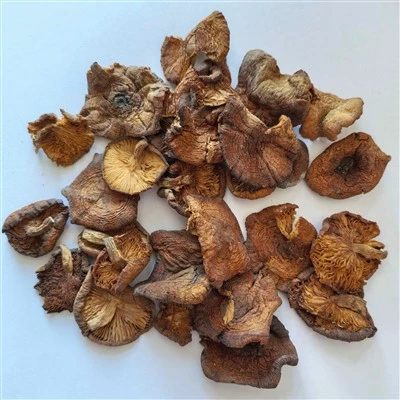
Hey there, everyone! I’m a supplier of dried edible fungi, and I’ve been in this business for quite a while. One of the most common questions I get from my customers is about the shelf – life of these delicious dried goodies. So, I thought I’d share some insights on the factors that can affect how long your dried edible fungi can stay fresh and tasty. Dried Edible Fungi
Moisture Content
The first and probably the most crucial factor is the moisture content. When the moisture in dried edible fungi is too high, it creates a perfect environment for mold growth and the activity of spoilage microorganisms. You see, fungi are dried to reduce their water content because water is like fuel for bacteria and mold.
During the drying process, we aim to get the moisture content down to a low level. Usually, for high – quality dried edible fungi, we strive for a moisture content of around 10% – 13%. If it’s higher, let’s say above 15%, the risk of spoilage skyrockets. And here’s the tricky part: humidity in the storage environment can also cause the fungi to re – absorb moisture. If you live in a place with high humidity or store the fungi in a damp area, you’ll find that they start to go bad much quicker.
I’ve had customers come back to me complaining that their dried mushrooms got all moldy a few months after purchase. When I asked them about the storage conditions, turns out they were keeping them in the basement where it was quite humid. So, if you want your dried edible fungi to last, keep them in a dry place, and maybe use moisture – absorbing packets if you live in a humid climate.
Temperature
Temperature also plays a huge role in the shelf – life of dried edible fungi. Higher temperatures speed up the chemical reactions that lead to spoilage. Enzymes in the fungi become more active at warmer temperatures, and this can cause changes in color, flavor, and nutritional value.
For optimal storage, I recommend keeping dried edible fungi at a cool temperature, ideally between 5°C and 15°C. At home, a pantry in a cool part of the house can work well. If you have a larger quantity, a cool storage room or even a refrigerator can be used.
I remember once we had a problem with a batch of dried shiitake mushrooms. It was summer, and our storage room’s air – conditioning system broke down for a couple of days. The temperature inside went up to around 25°C. When we checked the mushrooms a week later, some of them had started to develop an off – flavor, and the color had darkened. It was a costly lesson for us, but it taught us how important temperature control is.
Packaging
The type of packaging you use can greatly affect the shelf – life of dried edible fungi. A good package should protect the fungi from moisture, oxygen, light, and pests.
Let’s start with moisture. As I mentioned earlier, moisture is the enemy of dried fungi. So, using airtight packaging is a must. Vacuum – sealed bags are great because they remove the air inside, which reduces the chance of moisture entering. If you’re storing them at home, you can use ziplock bags and squeeze out as much air as possible before sealing.
Oxygen is another culprit. Oxygen can cause oxidation of the fats in the fungi, which leads to rancidity. That’s why some of our commercial packages are filled with nitrogen. Nitrogen is an inert gas, and it replaces the oxygen in the package, slowing down the oxidation process.
Light can also have a negative impact. Ultraviolet light can break down some of the nutrients in the fungi and cause color changes. So, opaque packaging is better than clear plastic bags.
I’ve seen customers who buy our products and then transfer them to open containers. This is a big no – no if you want them to last. The fungi are exposed to air, light, and potential pests, and their shelf – life gets significantly shortened.
Microbial Contamination
Microbial contamination can happen at various stages, from the harvesting to the storage. If the fungi are not properly cleaned before drying, they can carry bacteria, yeast, and mold spores. These can start to grow when the conditions are right.
During the harvesting process, it’s important to ensure that the fungi are picked at the right time and from a clean environment. We also make sure to wash and sort the fungi thoroughly before drying. After drying, any cross – contamination should be avoided. For example, if the dried fungi come into contact with dirty surfaces or equipment, they can get contaminated.
I once had a situation where a new worker in our facility didn’t follow the proper cleaning procedures when handling a batch of dried oyster mushrooms. A few weeks later, we noticed some signs of mold growth in that batch. It was a headache to deal with, but we learned to be even more strict with our hygiene protocols.
Insect Infestation
Insects can be a real pain when it comes to storing dried edible fungi. They can chew through the packaging and get into the fungi, causing damage and spreading bacteria.
Common insects that like to munch on dried fungi include weevils, beetles, and moths. To prevent insect infestation, proper storage is key. Make sure your storage area is clean and free of any food debris that might attract insects. You can also use insect – proof containers or add some natural insect repellents like bay leaves to the storage containers.
I’ve had customers who found small holes in their dried fungi packages and little bugs inside. It’s not a pleasant sight, and it ruins the product. So, be vigilant about keeping insects out.
Quality of the Initial Product
The quality of the fungi when they are first harvested also affects their shelf – life. If the fungi are already damaged, infected, or over – matured at the time of harvest, they are more likely to spoil quickly.
We always try to source the best – quality fungi from reliable growers. We look for fungi that are healthy, properly sized, and at the right stage of maturity. For example, if you pick shiitake mushrooms too late, they become tough and more susceptible to spoilage.
There was a time when we had to deal with a batch of mushrooms from a new grower. The quality was not up to our standards, and even though we dried them properly, they didn’t last as long as our usual products. So, starting with high – quality fungi is essential.
Storage Time
Even under ideal conditions, dried edible fungi have a limited shelf – life. Over time, the quality will gradually decline. The flavor may become less intense, the texture may change, and the nutritional value may decrease.
On average, properly stored dried edible fungi can last from one to three years. But it’s important to check them regularly for any signs of spoilage. If you notice any strange smells, colors, or textures, it’s best to discard them.
I’ve had customers ask me if they can still use dried fungi that are a few years old. It really depends on how well they’ve been stored. If they’ve been kept in a cool, dry place with proper packaging, they might still be okay, but it’s always a bit of a risk.
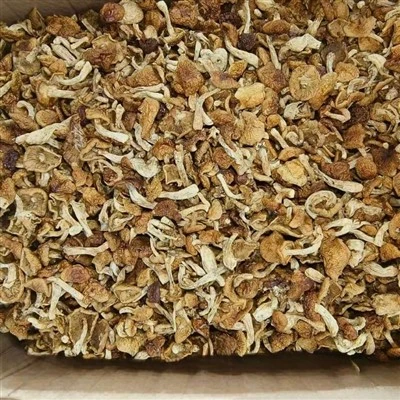
So, there you have it, folks! These are the main factors that can affect the shelf – life of dried edible fungi. As a supplier, I always try to provide the best – quality products and give my customers advice on how to store them properly. If you’re interested in purchasing our dried edible fungi or have any questions about them, don’t hesitate to reach out. We’re always happy to have a chat and discuss your needs. Whether you’re a restaurant owner looking for bulk supplies or a home cook wanting to add some delicious fungi to your meals, we’ve got you covered.
Dried Asian Mushrooms References
- "Postharvest Handling of Edible Mushrooms" by various authors in a collection of food science research
- "Food Storage and Preservation: A Practical Guide" which has sections on dried food products
Qingyuan Manchu Autonomous County Lichang Native Produce Co., Ltd.
We are one of the most professional dried edible fungi manufacturers and suppliers in China, featured by quality products and good price. Please rest assured to wholesale bulk dried edible fungi for sale here from our factory. Welcome to view our website for more information.
Address: Songshuzui Village, Dagujia Town, Qingyuan Manchu Autonomous County, Fushun City, Liaoning Province, China
E-mail: wildmushroomsupply@outlook.com
WebSite: https://www.wildmushroomsupply.com/
