If you’re running industrial spaces—think warehouses, manufacturing floors, or commercial HVAC setups—chances are your go-to cooling or ventilation workhorse is a belt-driven special-duty fan. As someone who’s supplied these bad boys for over a decade, I’ve seen firsthand how neglecting maintenance turns a reliable workhorse into a costly headache. I’ve had clients call me at 2 a.m. because their fan seized mid-shift, shutting down production, and every time I have to explain that a 10-minute weekly check-up would’ve saved them thousands in downtime. Today, I’m breaking down exactly how to keep your fan running strong, no fancy tech degree required. Special-Duty Fans
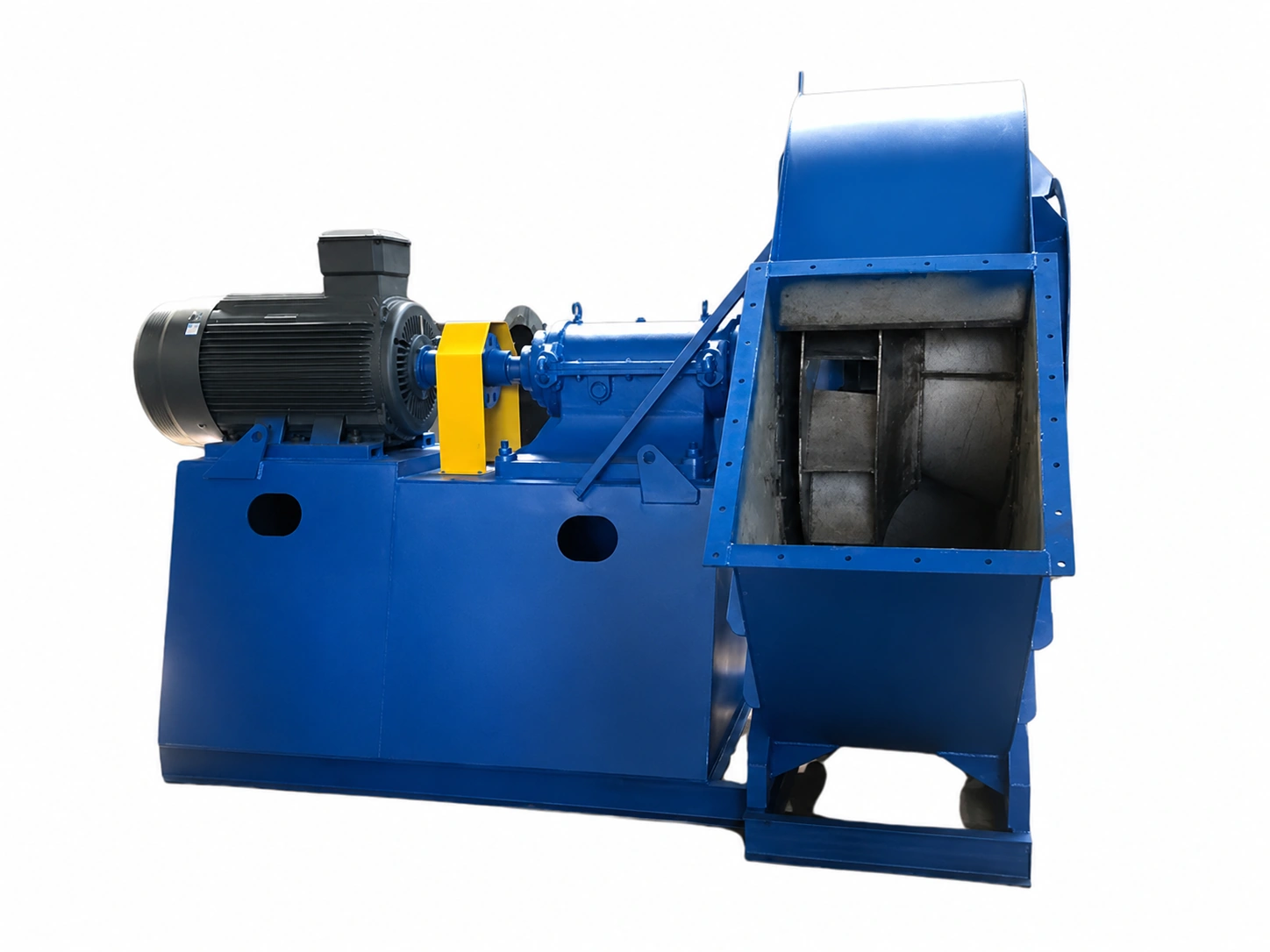
First, let’s get on the same page: belt-driven special-duty fans aren’t your standard residential box fans. They’re built to handle heavy, continuous use—moving massive volumes of air in dusty, humid, or high-vibration environments. The belt drive is the heart here, and 70% of fan failures I’ve tracked stem from belt-related issues. Let’s start with the basics you can do without even unbolting a single part.
Weekly quick checks are non-negotiable. I know, you’re swamped—who isn’t? But these take 10 minutes max, and they’ll catch small problems before they blow up. Grab a flashlight, pop open the fan’s guard, and first listen for weird noises. A squeal? Probably a loose or dried-out belt. A thud or rattle? That might mean the fan blades are out of balance, or the motor mount is shifting. If you hear anything other than a smooth, steady hum, don’t ignore it. Next, check the belt tension. This is super easy: press down on the middle of the belt with your thumb. It should give about a half-inch (12mm) to an inch (25mm). If it’s tighter than that, it’s going to snap or strain the motor; looser, and it’ll slip, wasting energy and wearing out fast. Pro tip: I tell all my clients to mark where the belt sits on the pulleys each week—if it starts creeping toward the edge, that’s a sign alignment’s off.
Belt care is where most people mess up. Let’s talk replacement first: don’t wait for the belt to snap mid-shift. I recommend replacing it every 12 to 18 months, depending on use. If your fan runs 24/7 in a dusty factory, that’s 12 months max; if it’s seasonal, like a warehouse that only cools in summer, 18 months works. When you do replace it, don’t just grab any random V-belt—match the size exactly. Special-duty fans use precise belt lengths and cross-sections (like A, B, or 5V sections, depending on your model), and a wrong fit will cause premature wear. Also, never replace just one belt if yours is a multi-belt setup. If one’s cracked, the others are already under extra tension, so swapping all at once saves you from doing this twice in a month. Oh, and skip the belt dressing if you can—lots of older techs swear by it, but modern synthetic belts (which most of my fans use) hate it. Dressing can make the belt slip more in the long run, and it attracts dust, turning your belt into a dirty, slippery mess. If you need to stop a squeal temporarily, a tiny dab of talcum powder works way better.
Next up, alignment—this is the secret to a long fan life. Misaligned pulleys are the #1 cause of belt wear, and it’s so easy to fix. Over time, the motor mount can shift, or the fan shaft can bend from heavy use, making the pulleys sit off-kilter. How to check alignment? Grab a length of string or a straightedge. Run it along the edge of both pulleys—if there’s a gap between the string and the pulley, they’re misaligned. You’ll need to adjust the motor mount: loosen the bolts that hold the motor in place, tap the motor gently until the pulleys line up, then retighten. If you’re dealing with a flexible coupling (some high-torque special-duty fans use these instead of rigid belts), the same rule applies: check for even spacing all around the coupling, no side-to-side wobble. I’ve seen clients skip alignment checks and go through 3 belts a month—align once, and that number drops to 1 a year.
Then there’s the parts you can’t ignore every month: the fan blades and motor bearings. Let’s start with the blades. Special-duty fans move air in dusty environments, so blades get caked with grime fast. That dirt adds weight, throws the fan out of balance, and makes it work way harder than it should. Once a month, shut off the power (I can’t stress this enough—lockout/tagout, don’t skip!), remove the guard, and wipe the blades with a mild detergent and rag. Avoid harsh chemicals; they can crack the blade material (most are galvanized steel or ABS plastic for special-duty use). While you’re at it, check for dents or bent edges. Even a small bend on one blade will throw the balance off, causing vibration that wears out bearings, belts, and even the fan housing. If a blade’s bent, you can often bend it back into shape with a rubber mallet—just don’t hammer it, that’ll crack the metal. If it’s cracked or broken, replace it right away, don’t try to patch it.
Bearings are the silent workhorses of your fan. If your fan is making a grinding noise or vibrating more than usual, bearings are almost certainly the issue. Most special-duty fans use sealed ball bearings, which don’t need much lube, but they do need a check every 3 months. How to tell if bearings are bad? Turn the fan off, spin the shaft by hand. If it’s rough, doesn’t spin smoothly, or makes a grinding sound, it’s time to lube or replace the bearings. Wait—don’t over-lube! Lots of people douse bearings in grease, but too much grease causes heat buildup and actually wears them out faster. For sealed bearings, if you can access the zerk fitting, add a small amount of lithium-based grease (check your fan’s manual for the right type) until you see a little squeeze out the seal. If they’re not serviceable, it’s easier (and safer) to just replace the bearings than to try to open and re-lube them. And pro move: keep a spare bearing in your maintenance kit—most of my clients who do this cut their bearing replacement time in half, no waiting for parts mid-crisis.
Now, the housing and base—easy to forget, but they matter. The fan housing is what directs air where it needs to go, and a dirty or dented housing can reduce airflow by 15% or more. Every 6 months, clean the inside of the housing with a pressure washer on low power (high power can damage seals) or a stiff brush and detergent. Also, check the base (the metal stand that holds the fan) for rust or loose bolts. Rust can weaken the base over time, leading to more vibration and misalignment. If you spot rust, sand it down and paint it with a rust-inhibiting primer to stop it from spreading. Tighten all bolts on the base, motor, and pulleys every 6 months too—vibration from the fan can loosen bolts without you noticing, leading to even more issues.
Wait, let’s talk about when to call a pro vs. when to DIY. I get it, you’ve got a maintenance team on staff, and they’re great at fixing most things. But if you see the fan shaft is bent, the housing is cracked, or you’re replacing bearings every 2 months, that’s a sign you might need a professional alignment or even a shaft repair. I always tell clients: if the issue is beyond the belt or blade level, don’t mess around—get a specialist who works with special-duty fans. I’ve had clients try to bend a shaft back themselves, and they ended up needing a whole new fan because they made a bad bend that caused it to seize.
And here’s a quick tip to avoid headaches: keep a maintenance log. Jot down when you changed the belt, lubed the bearings, cleaned the blades, and any weird noises you noticed. After a few months, you’ll spot patterns—like your belt always creeps at 6 months, so you can adjust alignment before it causes a problem. It sounds tedious, but it’s way easier than scrambling to replace a fan during a busy shift.
At the end of the day, a belt-driven special-duty fan is only as good as the care you put into it. I’ve sold hundreds of these fans, and the ones that last 10+ years are the ones whose owners stick to a simple maintenance routine. Skipping checks might save you 10 minutes this week, but it’ll cost you hours of downtime and a new fan a year early.

If you’re not sure how to check your specific fan’s specs, need a replacement belt, or want to chat about a maintenance plan for your whole fleet, reach out. I’m here to help you keep your fans running strong, no matter what your environment throws at you.
Mixed Flow Fans References
- Industrial Ventilation: A Manual of Recommended Practice, American Conference of Governmental Industrial Hygienists, 2022
- Maintenance Guidelines for Belt-Driven Industrial Fans, Air Movement and Control Association International, 2021
- Lubrication Practices for Industrial Machinery, Machinery Lubrication Magazine, 2023
- Belt Drive Alignment Best Practices, Power Transmission Association, 2022
Shandong Qiyue Fan Co., Ltd.
With abundant experience, we are one of the most reliable special-duty fans manufacturers and suppliers in China. Please feel free to wholesale high quality special-duty fans made in China here from our factory. We also accept customized orders.
Address: Dongchen Industrial Park, Zhoucun District, Zibo, Shandong, China
E-mail: sales@qiyuefan.com
WebSite: https://www.qiyuefan.com/
