If you’ve ever driven past a pipeline stretching across the plains, or noticed a thick, weather-resistant layer on the steel pipes at a construction site, you’ve seen the work of steel pipe coating equipment. As a supplier of steel pipe processing equipment, I’ve spent years walking customers through these machines, troubleshooting their quirks, and explaining why a good coating system isn’t just a “nice extra”—it’s what keeps pipes from corroding, extending their lifespan by decades, and cutting long-term maintenance costs. Let me break down how these systems work, from the first time a bare pipe arrives at the plant to the final wrapped, ready-to-ship product. Steel Pipe Processing Equipment
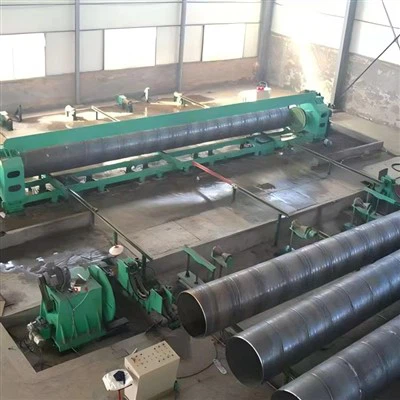
It all starts with a problem that’s been plaguing steel since the Iron Age: rust. Steel is incredibly strong, but when exposed to moisture, soil chemicals, saltwater, or even just the humidity in the air, it oxidizes—eating away at its structure until it’s too weak to hold pressure or support heavy loads. For pipes carrying crude oil, natural gas, water, or even wastewater, that corrosion can be catastrophic. A single pinhole leak in a pipeline can lead to environmental spills, costly shutdowns, and even safety hazards. Coating a pipe is like giving it a suit of armor, and the equipment that applies that armor is the backbone of any pipe processing facility.
Let’s walk through the process step by step, starting with one of the most critical (and most overlooked) parts of the job: surface preparation. You can’t just spray paint or plastic on a dirty pipe and expect it to stick. If there’s rust, mill scale (the flaky oxide layer that forms when steel is manufactured), oil, grease, or even dust on the surface, the coating will peel off in months—maybe even weeks. That’s why the first stage of any steel pipe coating line is a surface prep booth, and the equipment here is designed to strip the pipe down to a bare, clean, slightly rough surface that the coating can bond to.
The most common method for surface prep is abrasive blasting. Here’s how it works: large, automated blasters propel a high-velocity stream of abrasive material—usually steel grit, steel shot, or copper slag—at the pipe’s exterior (and sometimes interior, for specialized applications). The force of the abrasive hits the pipe, knocking off every bit of mill scale, rust, and debris, while also etching tiny, uniform peaks and valleys into the steel surface. This texture is key: it’s like Velcro for the coating, creating mechanical grip that prevents separation later.
As someone who’s watched hundreds of blasting jobs, I can tell you this stage is make-or-break. I once worked with a pipeline company that tried to cut corners by using less abrasive pressure on a batch of 24-inch pipes. Six months later, the coating was peeling off, and they were back looking for new equipment to fix their process. The rule of thumb is that after blasting, the pipe should meet a surface cleanliness standard called SSPC-SP 10, or Near-White Metal Blast Cleaning. That means 95% of the surface is free of all visible rust, mill scale, and contaminants, with only faint shadows left from the steel’s original grain. For interior surfaces, many facilities use centrifugal blast wheels that spin abrasive material inward, or even high-pressure water jetting for pipes that can’t handle abrasive blasting (like thin-walled pipes that might warp under the force).
Once the pipe is blasted, it moves along a conveyor system into the next stage: heating. Wait—heating a clean steel pipe? You might think that would just make it rust again, but no—here’s the trick: we need to get the pipe hot enough to burn off any remaining moisture on the surface, and also to warm it to the ideal temperature for the coating that’s coming next. Most coating materials, like fusion-bonded epoxy (FBE), polyurethane, or polyethylene (PE), adhere best when applied to a surface that’s between 180°F and 400°F, depending on the product. If you apply a cold coating to a cold pipe, moisture that’s still trapped in the steel’s pores will condense between the coating and the steel, causing blisters and delamination over time.
Heating is usually done in a gas-fired or induction heating oven. Induction heating is my personal favorite, because it’s precise and energy-efficient—we can heat the pipe evenly along its entire length, without hot spots that might damage the steel or the coating. For long pipes, the conveyor moves them slowly through the oven, with temperature sensors mounted along the way ensuring the surface hits the target temperature before the pipe moves on. I’ve seen facilities skip the heating stage to save time, and within a year, those pipes were showing widespread coating failure. It’s a small step that makes a huge difference.
Now we get to the part people think of when they hear “coating”: applying the protective layer. This is where the actual coating equipment does its work, and the method depends entirely on what the pipe is going to be used for. The two most common coating types are FBE and PE, so I’ll focus on those.
FBE is a thermoset powder coating that’s super common for water pipelines and smaller-diameter pipes. Here’s how the application works: electrostatic sprayers charge fine particles of FBE powder, then spray them evenly onto the heated pipe. The electrostatic charge makes the powder cling to the steel surface like a static sticker, even on curved or interior parts of the pipe. Once the powder is applied, the pipe moves through a second oven, called a cure oven, where the heat melts the powder into a smooth, continuous film that chemically bonds to the steel. The result is a thin, tough coating that’s resistant to corrosion, abrasion, and chemicals—perfect for underground pipes that will be buried in soil for decades.
For larger-diameter pipes, like those used for oil and gas transmission, we use polyolefin coatings, usually polyethylene (PE) or polypropylene (PP). These are thicker, more flexible coatings that can handle the higher pressures and rough handling of long-distance pipelines. The application here is a bit different: many facilities use a three-layer coating system, called 3LPE, which is the gold standard for energy pipelines. The first layer is a thin primer (usually an epoxy) that bonds to the steel, the second layer is a copolymer adhesive that binds the primer to the outer layer, and the third layer is a thick PE wrap that provides physical protection from impact and soil stress.
Applying 3LPE requires specialized equipment: an extruder that melts the PE and adhesive, then a series of dies and rollers that apply the layers evenly as the pipe rotates on a spindle. The pipe has to spin at a constant speed to make sure the coating is uniform, and temperature controls ensure each layer melts and bonds correctly. I remember a client who had inconsistent coating thickness on their 3LPE pipes because their spindle was wobbling—we upgraded their pipe rotation system, and within weeks their rejection rate dropped from 12% to less than 2%. Small machine adjustments make all the difference here.
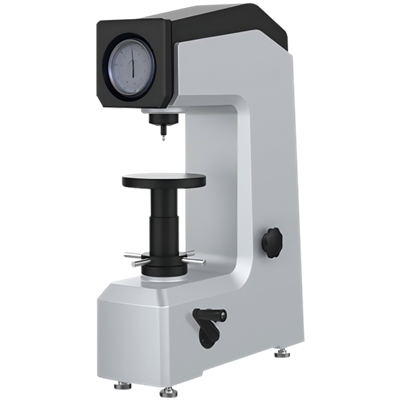
Once the coating is applied and cured, the next stage is quality control (QC). A good coating system doesn’t just rely on the equipment—it has to check every pipe to make sure it meets industry standards. The QC process uses a few key tools: first, thickness gauges that measure how thick the coating is at multiple points along the pipe. For FBE, the minimum thickness is usually 10 to 20 mils (thousandths of an inch), while 3LPE can be 60 to 100 mils thick, depending on the application. Too thin, and it won’t provide enough protection; too thick, and it might crack during handling.
Next, a holiday detector is used. A holiday is a tiny pinhole or gap in the coating that’s big enough to let moisture through, but too small to see with the naked eye. The holiday detector runs a low-voltage electrical current along the coated pipe, and any gap in the coating will trigger a beep or a light, alerting operators to fix the spot right away. For thick PE coatings, some facilities also use ultrasonic testing to check for internal voids or weak spots in the coating layers, especially for pipes that will be used in corrosive environments like offshore drilling.
After QC, the last step is end preparation. The ends of the pipes have to be bare steel, so they can be welded together in the field. The coating equipment will strip a 6 to 12-inch section from each end of the pipe, leaving a clean, beveled edge for welding. This is a crucial step—if there’s coating on the ends, welders can’t get a proper bond, leading to leaks at the joints.
Now, you might be wondering, is that all? What about pipes that go through harsh conditions, like Arctic pipelines that have to handle extreme cold, or offshore pipes that are constantly exposed to saltwater? For those, we have even more specialized equipment. For offshore pipes, many facilities use a dual-layer corrosion under insulation (CUI) coating, which is designed to prevent rust even when the pipe is wrapped in insulation. For pipelines in desert climates, where the soil is sandy and abrasive, we use thicker PE coatings that are scored to flex as the pipe expands and contracts with temperature changes.
As a supplier of steel pipe processing equipment, I’ve seen how much the right coating system can change a business. A facility with outdated blasting equipment might struggle to meet cleanliness standards, leading to high rejection rates and lost revenue. A facility with poor heating controls might have coating failures in the field, leading to costly warranty claims. That’s why I don’t just sell machines—I work with clients to design full coating lines that fit their specific needs, whether they’re processing small-diameter water pipes for a local municipality or large energy pipelines for a global oil company.
But here’s the thing: even the best equipment won’t work without skilled operators. I always tell my customers that their people are the most important part of the coating line. A well-trained operator can spot a wobbling spindle or a temperature fluctuation before it becomes a problem, while a new operator might miss a small gap in the coating that leads to a major failure. That’s why we offer training programs for every piece of equipment we sell, making sure operators know not just how to push a button, but why each step of the process matters.
If you’re in the market for steel pipe coating equipment, whether you’re upgrading an existing line or setting up a new processing facility, I’d love to walk you through what we offer. We design each system to be flexible, efficient, and built to last, with parts and support available to keep your line running smoothly for years. The pipes you process are only as good as the coating on them, and the equipment you use to apply that coating is the foundation of your business. Let’s connect to discuss your specific needs, whether you’re working with a certain pipe diameter, coating type, or industry standard.
Steel Pipe Production Line References
SSPC. (2020). Surface Preparation Standards for Steel Structures. Society for Protective Coatings.
National Association of Corrosion Engineers (NACE). (2018). Recommended Practice for Pipeline External Corrosion Protective Coatings. NACE International.
American Petroleum Institute (API). (2019). Specification for Field Application of Petroleum Pipeline Coatings. API Standard 5L.
Tianjin Binhai Yashanway Import and Export Co., Ltd.
Tianjin Binhai Yashanway Import and Export Co., Ltd. is one of the most reliable steel pipe processing equipment manufacturers and suppliers in China, also supports customized service with low price. Welcome to wholesale bulk steel pipe processing equipment made in China here from our factory. Contact us for quotation.
Address: B-508, Xiangnian Plaza, Dongjiang Road, Hexi District, Tianjin, China
E-mail: crystal@yashanway.com
WebSite: https://www.yashanway.com/
