If you’ve ever knelt beside a broken bike in the middle of a pothole-ridden side street, or noticed how your hands vibrate like a tuning fork after a long ride on cracked asphalt, you’ve felt the work of a bike fork—even if you didn’t know its name. As someone who’s been sourcing and supplying bike forks for over a decade, I’ve lost count of how many times customers ask, “Is that fork really that big a deal?” The short answer? It’s more than just a metal (or carbon) piece holding your front wheel on. It’s the unsung hero of every ride, the part that turns a wobbly, jarring commute or mountain trail grind into something smooth, controlled, and fun. Today, I want to break down what a bike fork actually does, why it’s non-negotiable for every rider, and how that knowledge can help you pick the right one for your needs—whether you’re a casual commuter, a hardcore mountain biker, or someone who’s been building their dream road bike from scratch. Bike Fork
First, let’s start with the most basic job: it holds your front wheel. That might sound simple, but think about it. Your bike’s frame is the skeleton, the drivetrain is the engine, the brakes are the brakes—but the fork is the only part that connects all those pieces to the ground through the front wheel. Without a fork, your front wheel would just flop around, and you couldn’t steer. But steering is way more nuanced than just turning a handlebar. The fork’s design—how long its legs are, how it’s angled, what material it’s made of—directly impacts how your bike handles. For example, a fork with a steeper head tube angle (meaning the fork is closer to vertical) makes steering snappier, which is great for mountain bikers who need to weave through tight tree roots or quick, technical switchbacks. A slacker head tube angle (the fork leans back a little) makes the bike more stable at high speeds, which is perfect for road cyclists hitting 40 mph on a flat stretch or gravel bikers rolling down long, gentle descents. I’ve seen this firsthand: last year, a group of local road riders came to us complaining their new bikes felt “twitchy” on long rides. Turns out their factory-installed fork had a steeper angle than what they were used to, and swapping it out for a slightly slacker model smoothed everything out. They ended up logging an extra 50 miles a week, no hand fatigue from constant steering corrections.
Next, and maybe the most talked-about job these days, is vibration damping. That’s the fancy term for soaking up the bumps so your hands, arms, and back don’t take a beating. A lot of people think only mountain bikes need suspension forks, but even road and gravel forks have some level of damping built in these days. Let’s break this down. A rigid fork (no moving parts) is light and stiff, but it transfers every crack, pebble, and pothole straight to your body. For casual riders doing 5-mile commutes on city streets, that’s fine—rigid forks are durable and cheap. But for anyone riding more than that, or on rough terrain, a suspension fork makes a world of difference. Suspension forks have telescopic legs with springs (either coil or air) and dampers that compress when you hit a bump, then extend smoothly instead of jarring. I remember a time 10 years ago when suspension forks were super heavy and only for downhill mountain biking. Now, we supply lightweight air suspension forks for gravel riders that weigh less than 3 pounds total—lighter than many full-suspension mountain bike forks from back in the day. Last month, a gravel biker came to us with a torn rotator cuff; his old rigid fork was sending so much vibration up his arms that he was in pain after just 20 miles. We fitted him with a mid-travel suspension fork, and three months later he told me he’d ridden 1,200 miles without a single ache. That’s the power of proper damping.
Then there’s load support. If you ever strap a pannier rack to your bike for grocery runs, a weekend camping trip, or a family commute, the fork is the part that holds that extra weight. Most people don’t realize that the frame’s rear triangle is designed to hold most of a bike’s cargo, but the fork has to handle the weight from the front rack too—plus the weight of the front wheel itself, and whatever you’re carrying on the handlebars (like a water bottle cage, a phone mount, or even a handlebar bag). That’s why fork weight rating is such an important specification. A lot of cheap, no-name forks on the market have a low weight limit—like 20 pounds total—so if you load a 15-pound front rack plus a 10-pound bag of groceries, you’re overloading it, which can lead to bent legs, broken crowns (the part that connects the two legs at the top), or even a wheel coming loose mid-ride. As a fork supplier, we make sure every fork we sell has a clear weight rating, and we always ask customers how much cargo they plan to carry before recommending a model. That’s a detail the big box stores often skip—they just sell forks that fit the frame, not forks that fit the rider’s actual usage.
Wait, there’s another job that’s crucial but often overlooked: brake and drivetrain integration. Most modern bikes use disc brakes instead of old rim brakes, and the fork has to have specific mounts for those disc brake rotors and calipers. If the fork’s brake mount is the wrong size or in the wrong place, you can’t fit the brakes, no matter how good the rest of the fork is. Also, for bikes with a front derailleur, the fork has to have a tab or mount to hold it, though that’s less common now on road and gravel bikes that use electronic shifting or 1x drivetrains. But for mountain bikes, especially those with dual chainring setups, that small mount on the fork is make or break. I once had a customer build a custom hardtail mountain bike and forget to account for the derailleur mount on the fork—he had to order a whole new fork mid-build, which delayed his project by two weeks. That’s the kind of small detail we walk every customer through, so they don’t have that headache.
Now, let’s talk about material, because that’s tied directly to all these functions. Forks are made from aluminum, carbon fiber, steel, or even titanium, and each material serves a different purpose. Steel is super durable, great for commuters who ride on rough city streets and carry heavy loads. It’s heavy, but it absorbs vibration really well, so it’s a good pick for long, casual rides. Aluminum is stiff and light, which is perfect for road bikes and cross-country mountain bikes where power transfer is key—you don’t want the fork flexing when you’re standing up and sprinting. Carbon fiber is the sweet spot for many riders now: it’s light, stiff in the right places, and can be molded to have specific flex patterns that dampen vibration without being too heavy. That’s why most high-end road, gravel, and performance mountain bikes use carbon forks. We’ve noticed a big shift in the last five years: more casual riders are opting for carbon forks on their commuter bikes because they want the smooth ride without the extra weight, and more long-distance tourers are going with steel forks because they can handle thousands of miles of rough gravel and dirt roads without cracking.
But here’s the thing about forks: they’re not one-size-fits-all. A fork that works for a downhill mountain biker will be totally wrong for a city commuter, and vice versa. Downhill forks have tons of travel (like 160-200mm) to absorb big jumps and rock gardens, but they’re heavy and slow on flat ground. A city commuter fork has little to no travel (rigid or 20mm of travel max) to keep the bike light and make steering easy in stop-and-go traffic. As a supplier, I always start by asking customers three questions: What do you use your bike for? How much do you weigh, and how much cargo do you carry? What’s your budget? Those answers help us narrow down the options so they don’t waste money on a fork that doesn’t fit their needs.
I’ve been in this business long enough to see the mistakes riders make when picking a fork. The biggest one is buying a fork just because it’s cheap or looks cool, without checking the specifications. I remember a guy a few years ago who bought a fancy-looking carbon fork online for his road bike, only to find out it was designed for a mountain bike disc brake mount—his road bike’s caliper wouldn’t fit. He ended up returning it and buying the right fork from us, but he lost a week of riding. Another common mistake is ignoring the fork’s axle type. Most modern bikes use thru-axles instead of quick-release skewers, which make the wheel more secure and the steering stiffer, but if your fork is made for a 15mm thru-axle and your wheel is made for a 9mm quick-release, they don’t work together. That’s another detail we make sure to clarify before any sale.
Beyond all the technical stuff, a good fork can change your entire relationship with riding. I talked to a guy last month who’d stopped riding his mountain bike because every time he hit a rock, he’d get knocked off balance. We fitted him with a fork with 100mm of travel and a remote lockout (so he could stiffen it up for climbs), and now he rides every weekend with a group. He told me he’d forgotten how fun riding could be, instead of just a chore of avoiding bumps. That’s the magic of a well-matched fork: it takes the work out of riding, lets you focus on the scenery or the fun of the trail, not just surviving the road.

If you’re in the market for a new fork, or you’re building a bike from scratch, don’t just pick the first one that fits your frame. Think about how you ride, how much you carry, and what kind of terrain you cover. And if you’re not sure, don’t hesitate to reach out. As a bike fork supplier, we’re here to help—no pushy sales pitches, no complicated jargon, just straight answers based on years of working with all kinds of riders. Whether you need a rigid steel fork for your touring bike, a lightweight air suspension fork for gravel adventures, or a stiff carbon fork for your road racing setup, we’ve got options that fit every need and budget. We know that your bike is more than just a mode of transportation—it’s your way to explore, stay active, and connect with people, and the right fork is the backbone of that experience. So if you have questions, want to compare options, or need help finding the perfect fork, don’t wait to reach out and start the conversation about your next ride.
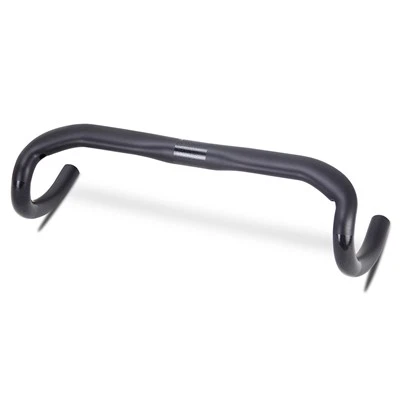
Bike Road Integrated Handlebar References:
- American Mountain Biking Association. (2022). “Bike Component Functions: Fork Design for Terrain and Usage.” Retrieved from industry cycling research databases
- Road Bike Rider Magazine. (2021). “The Science of Fork Damping: How Suspension Technology Improves Ride Quality.”
- International Organization for Standardization (ISO). (2020). “Specification for Bike Fork Load Ratings and Compatibility Standards.”
- Gravel Cycling Journal. (2023). “Material Comparison: Steel, Aluminum, and Carbon Forks for Long-Distance Riding.”
- National Bicycle Dealers Association. (2022). “Customer Guide to Fork Selection: Matching Forks to Rider Needs.”
Hunan Yecheng Technology Co., Ltd.
We’re well-known as one of the leading bike fork manufacturers and suppliers in China, also support customized service. Please feel free to buy high quality bike fork for sale here from our factory. For more information, contact us now.
Address: Changsha, Hunan Province, China.
E-mail: info@rxlsl.com
WebSite: https://www.rxlsl.com/
