Hey there! I’m a supplier of mechanical processing components, and I’ve been in this game for quite some time. Over the years, I’ve seen a growing trend in the use of composite materials in our industry, and let me tell you, it’s not just a passing fad. There are some seriously cool advantages to using composites in the production of mechanical processing components, and I’m here to break it down for you. Mechanical Processing Components
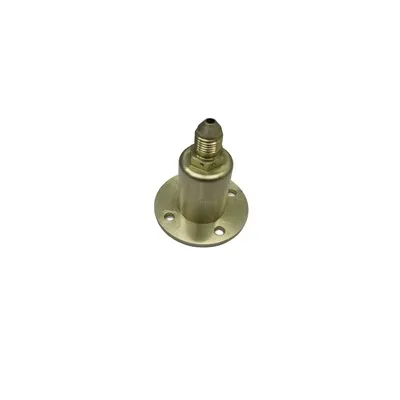
Lightweight and High Strength
One of the most significant perks of composite materials is their amazing strength – to – weight ratio. You see, in mechanical processing, we’re always looking for ways to make components lighter without sacrificing strength. Composites fit the bill perfectly. For example, carbon fiber composites are incredibly strong. They can withstand high levels of stress and strain, comparable to or even better than traditional metals like steel. But here’s the kicker: they’re a whole lot lighter.
Think about aerospace applications. In an airplane, every ounce of weight matters. The fuel efficiency of an aircraft is directly related to its weight. By using composite materials for components such as wings, fuselage sections, and interior parts, we can significantly reduce the overall weight of the plane. This means less fuel consumption, lower operating costs, and a smaller environmental footprint.
In the automotive industry, the same principle applies. Lighter cars accelerate faster, brake more efficiently, and use less fuel. Composite components in engines, frames, and body parts contribute to making vehicles more agile and energy – efficient. As a mechanical processing components supplier, being able to offer lightweight yet strong composite parts gives my customers a real edge in their respective markets.
Corrosion Resistance
Another big plus of composite materials is their excellent corrosion resistance. Traditional metals, like iron and steel, are prone to rusting when exposed to moisture and oxygen. This can lead to a significant reduction in the lifespan of mechanical components, not to mention the maintenance and replacement costs.
Composites, on the other hand, are made from materials that don’t corrode easily. For instance, fiberglass composites are widely used in marine applications. Boats, ships, and offshore platforms are constantly exposed to saltwater, which is extremely corrosive. Using composite materials for hulls, decks, and other components helps to prevent corrosion and extends the life of these vessels.
In industrial settings where components are exposed to harsh chemicals or acidic environments, composites are a great choice. Chemical processing plants can use composite pipes, valves, and tanks that won’t corrode when in contact with corrosive substances. This not only saves money on replacement costs but also reduces the risk of leaks and spills, which can be dangerous and environmentally hazardous.
Design Flexibility
Composite materials offer a high degree of design flexibility, which is a huge advantage in mechanical processing. Unlike metals, which often require complex and expensive machining processes to achieve a specific shape, composites can be molded into almost any form.
We can use processes like resin transfer molding (RTM), vacuum bagging, and compression molding to create custom – shaped components. This allows for the integration of multiple functions into a single part. For example, in a machine, instead of having multiple metal parts bolted or welded together, we can design a single composite component that combines the functions of several different parts. This reduces the number of components in an assembly, simplifies the manufacturing process, and can lower overall costs.
In the automotive and aerospace industries, design flexibility is crucial for optimizing aerodynamics. Composite materials can be shaped to create smooth, streamlined surfaces that reduce drag. This not only improves performance but also reduces noise and vibration, providing a more comfortable ride for passengers.
Wear Resistance
When it comes to mechanical components, wear resistance is a must – have. Components that are constantly in motion, such as gears, bearings, and pistons, need to be able to withstand the friction and abrasion associated with their operation.
Many composite materials have good wear – resistant properties. For example, composite polymers can be filled with additives like graphite or ceramics to enhance their wear resistance. These composites can be used to make bushings and seals that have a longer lifespan than traditional metal counterparts.
In heavy – duty industries like mining and construction, where equipment is subjected to extreme wear, composite materials can make a big difference. Components such as conveyor belts, buckets, and wear plates made from composites can withstand the harsh conditions of these environments, reducing downtime for maintenance and replacement.
Thermal Insulation
Composites also offer better thermal insulation compared to metals. In applications where temperature control is important, this can be a major advantage.
In the aerospace industry, for example, spacecraft need to withstand extreme temperature variations during re – entry into the Earth’s atmosphere. Composite materials can be used to insulate critical components, protecting them from the intense heat generated during this process.
In the energy sector, where pipes carry hot fluids, composite insulation materials can reduce heat loss. This not only improves energy efficiency but also helps to prevent burns and other safety hazards for workers.
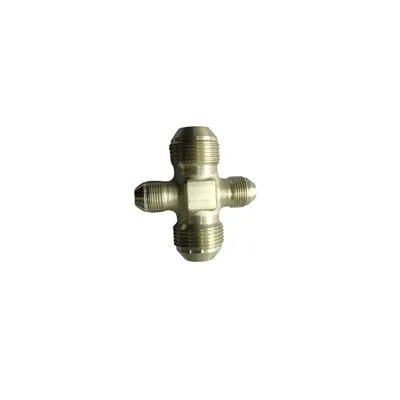
Let me tell you, these advantages have made composite – based mechanical processing components a hot commodity in the market. And as a supplier, I’ve been able to meet the growing demand.
Mechanical Processing Components If you’re in the market for high – quality mechanical processing components, and you’re considering switching to composite materials or just want to learn more about what we can offer, I’d love to chat. Whether you’re in the aerospace, automotive, marine, or any other industry, I’m confident that I can provide you with the right composite components to help your business succeed. Don’t hesitate to reach out and start a conversation about your specific needs. Let’s work together to take your products to the next level.
References
- Ashby, M. F. (2005). Materials Selection in Mechanical Design. Elsevier.
- Mallick, P. K. (2008). Fiber – Reinforced Composites: Materials, Manufacturing, and Design. CRC Press.
- Megson, T. H. G. (2012). Aircraft Structures for Engineering Students. Butterworth – Heinemann.
Jiangxi Zhiyi Machinery Manufacturing Co., Ltd.
As one of the most professional mechanical processing components manufacturers and suppliers in China, we also support customized service. Please rest assured to wholesale bulk mechanical processing components in stock here from our factory. If you have any enquiry about quotation, please feel free to email us.
Address: Jiahai Industrial Park, No. 2799 Tianxiang Avenue, High-tech Zone, Nanchang City, Jiangxi Province.
E-mail: zgjxzy@163.com
WebSite: https://www.chinazhiyi.com/
