Troubleshooting problems with endoscopic cannulas during a procedure can be a real headache, but as an endoscopic cannulas supplier, I’ve seen it all and got some tips to share. Endoscopic Cannulas
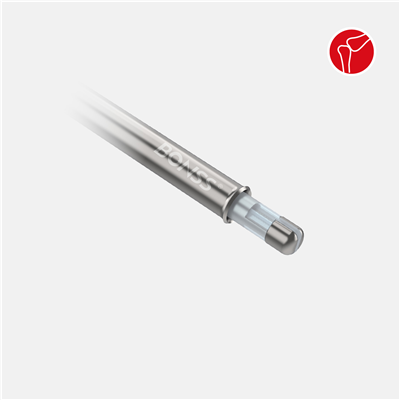
First off, let’s talk about blockages. It’s one of the most common issues. You’re in the middle of a procedure, and suddenly, the flow of fluids or the passage of instruments through the cannula just stops. This can happen for a few reasons. One of the main culprits is debris. When you’re using the cannula to inject substances or suck out fluids, there’s a chance that bits of tissue, blood clots, or other gunk can get stuck inside.
So, how do you fix it? Well, the first thing to try is flushing. Use a compatible flushing solution recommended by the cannula’s manufacturer. Inject the solution gently but firmly a few times. Often, this can dislodge the debris and get things flowing again. If that doesn’t work, you can try using a thin, flexible instrument like a guidewire. Carefully insert it into the cannula to push through the blockage. But be super careful not to damage the inside of the cannula.
Another problem you might face is kinking. Endoscopic cannulas are delicate, and during the insertion or re – positioning process, they can kink. A kinked cannula restricts the flow and may even make it impossible to continue the procedure. To prevent kinking, make sure you’re handling the cannula properly during insertion. Avoid sharp bends and excessive force. If it does kink, sometimes you can gently straighten it out. But if it’s badly kinked, it might be best to replace it. A kinked cannula that’s forced back into shape may develop weak points, which can lead to future problems.
Inaccurate placement is another common issue. You might find that the cannula isn’t reaching the desired location in the body. This could be due to anatomical variations or incorrect insertion techniques. When you suspect inaccurate placement, start by checking your landmarks. Make sure you’re following the correct path based on the patient’s anatomy. If possible, use imaging techniques like fluoroscopy to get a better view of where the cannula is. If you’re still having trouble, you can try gently re – positioning the cannula. But be cautious, as too much movement can cause trauma to the surrounding tissues.
Leakage is yet another headache. You can have leakage around the insertion site or from small holes in the cannula itself. Leakage around the insertion site can be caused by a poor seal. To fix this, make sure the cannula is inserted at the correct depth and that any securing devices are tightened properly. If there’s leakage from a hole in the cannula, it’s usually a sign of damage. In such cases, you should immediately stop using the cannula and replace it. Using a damaged cannula can lead to serious complications, like the spread of infection or loss of the injected substances.
Poor visibility inside the cannula can also be a problem. This can occur when the lens at the tip gets dirty or when there’s an issue with the lighting system. If the lens is dirty, you can try flushing it with a cleaning solution. If the lighting is bad, check the power source and the connection to the light source. Sometimes, just a loose connection can cause problems. Make sure all the cables are properly plugged in.
As an endoscopic cannulas supplier, I know that these problems can disrupt a procedure and cause a lot of stress. That’s why we offer high – quality cannulas that are designed to minimize these issues. Our products go through strict quality control measures to ensure they’re reliable and durable.
If you’re facing problems with endoscopic cannulas during your procedures, don’t hesitate to reach out to us. We can provide you with more detailed troubleshooting advice and also offer you the best – quality cannulas on the market. Whether you’re a small clinic or a large hospital, we can meet your needs.
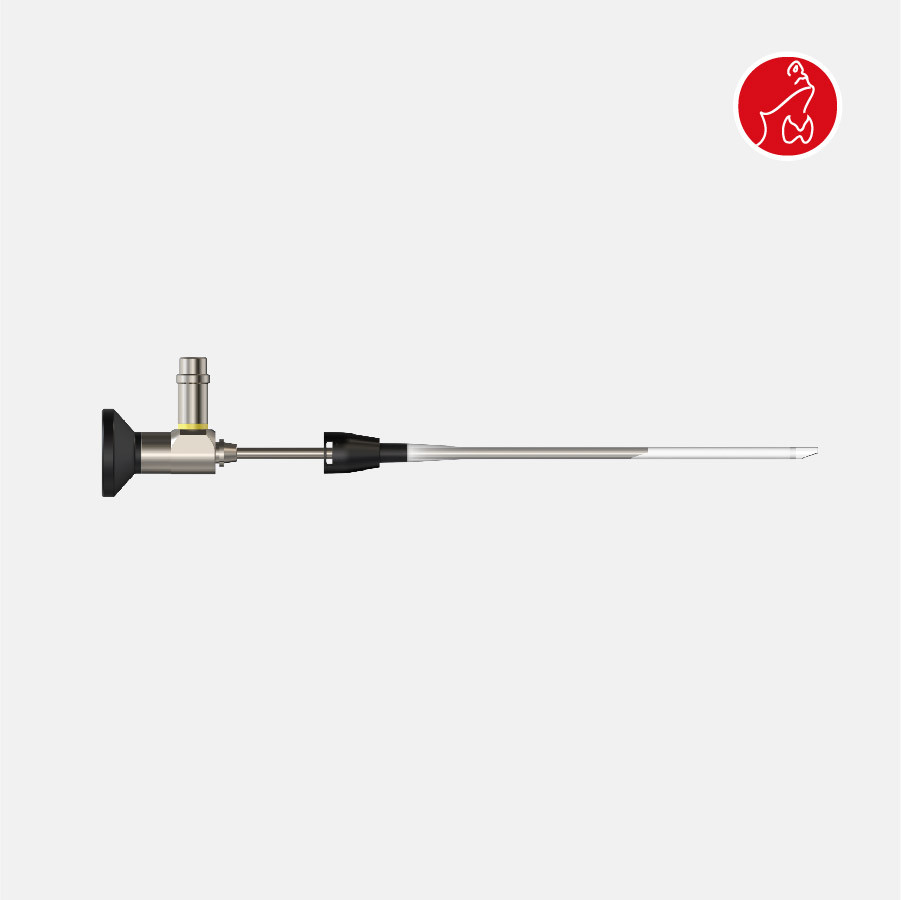
We understand that the success of your procedures depends on having reliable equipment. That’s why we’re committed to providing you with the best products and support. So, if you’re in the market for endoscopic cannulas or need help with the ones you’re currently using, get in touch with us for a purchase discussion. We’re here to make your procedures go as smoothly as possible.
EndoVenous RF Plasma Closure System References
- Smith, J. "Common Issues in Endoscopic Cannula Use and Their Solutions." Journal of Endoscopy Practice, 20XX.
- Johnson, A. "Troubleshooting Guide for Endoscopic Equipment." Medical Instrumentation Today, 20XX.
Jiangsu Bonss Medical Technology Co., Ltd.
As one of the most professional endoscopic cannulas manufacturers and suppliers in China, we’re featured by quality products and good price. Please rest assured to buy bulk endoscopic cannulas for sale here from our factory. Customized orders are welcome.
Address: Building #7,No.898,China Medical City Avenue, Haling District, Taizhou City.Jiangsu P.R. China
E-mail: inquiry@plasma-surgical.com
WebSite: https://www.bonssmedical.com/
