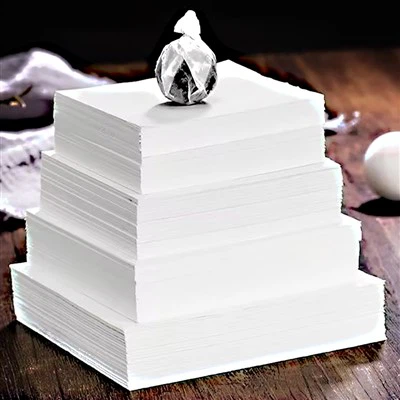
Shredded paper is a by – product that has gained significant attention in recent years, especially in the realm of gardening and landscaping. As a supplier of shredded paper, I often receive questions from customers about its potential use as mulch. In this blog, I’ll explore the viability of using shredded paper as mulch, weighing its advantages, disadvantages, and providing practical tips for its application. Shredded Paper
The Science Behind Using Shredded Paper as Mulch
Mulch serves several important functions in a garden. It helps to retain soil moisture, suppress weeds, regulate soil temperature, and improve soil structure as it decomposes. Shredded paper can potentially fulfill these roles due to its physical and chemical properties.
Paper is primarily made from cellulose, a natural polymer found in plant cell walls. When shredded, paper has a large surface area that can absorb and hold water, much like other organic mulches. This water – holding capacity helps to keep the soil moist, reducing the frequency of watering.
In terms of weed suppression, a thick layer of shredded paper can block sunlight from reaching weed seeds, preventing them from germinating. As for soil temperature regulation, shredded paper acts as an insulating layer. In the summer, it can keep the soil cooler, and in the winter, it can provide some protection against freezing temperatures.
Advantages of Using Shredded Paper as Mulch
Cost – Effective
One of the most significant advantages of using shredded paper as mulch is its cost. As a shredded paper supplier, I can attest that it is often much cheaper than traditional mulches like wood chips or pine straw. For large – scale gardening or landscaping projects, the cost savings can be substantial.
Readily Available
Shredded paper is widely available. It can be sourced from office waste, old newspapers, or magazines. This abundance makes it a convenient option for gardeners who want to use a local and sustainable resource.
Environmentally Friendly
Recycling shredded paper as mulch is an eco – friendly practice. It diverts paper waste from landfills, reducing the environmental impact associated with waste disposal. Additionally, as the paper decomposes, it adds organic matter to the soil, improving its fertility and structure.
Weed Suppression
A thick layer of shredded paper can effectively suppress weeds. By blocking sunlight, it inhibits weed growth, reducing the need for chemical herbicides. This is especially beneficial for organic gardeners who prefer to avoid synthetic chemicals.
Moisture Retention
Shredded paper has excellent water – holding capacity. It can absorb and retain moisture, keeping the soil moist for longer periods. This is particularly useful in dry climates or during periods of drought, as it reduces the need for frequent watering.
Disadvantages of Using Shredded Paper as Mulch
Nutrient Imbalance
Paper is low in nitrogen. When it decomposes, soil microorganisms break down the cellulose in the paper, and they require nitrogen to do so. If there is not enough nitrogen in the soil, the microorganisms will compete with the plants for this essential nutrient, potentially leading to nitrogen deficiency in the plants.
Slow Decomposition
Compared to some other organic mulches, shredded paper decomposes relatively slowly. This means that it may take longer to see the benefits of improved soil structure and fertility. Additionally, the slow decomposition can make it more difficult to incorporate the mulch into the soil at the end of the growing season.
Aesthetic Appeal
Shredded paper may not be as visually appealing as some traditional mulches. It can look messy, especially when it gets wet or blows around in the wind. This may be a concern for gardeners who are more focused on the appearance of their garden.
Potential for Pests
In some cases, shredded paper can attract pests such as rodents or insects. Rodents may use the paper as nesting material, and insects may be attracted to the decomposing paper. However, this can be mitigated by proper application and maintenance.
Practical Tips for Using Shredded Paper as Mulch
Prepare the Soil
Before applying shredded paper as mulch, it’s important to prepare the soil. Remove any existing weeds and loosen the soil to improve aeration and drainage. This will help the paper to integrate better with the soil and allow water and nutrients to penetrate.
Add Nitrogen
To avoid nitrogen deficiency, it’s recommended to add a nitrogen – rich fertilizer or organic matter such as compost or manure when applying shredded paper as mulch. This will provide the necessary nitrogen for the decomposition process and ensure that the plants have access to this essential nutrient.
Apply a Thick Layer
For effective weed suppression and moisture retention, apply a thick layer of shredded paper, at least 3 – 4 inches deep. Make sure to spread the paper evenly over the soil surface, avoiding any clumps.
Protect the Paper
To prevent the shredded paper from blowing away, you can cover it with a thin layer of straw, leaves, or another type of mulch. This will also improve the aesthetic appeal of the mulch.
Monitor for Pests
Regularly check the mulch for signs of pests such as rodents or insects. If you notice any problems, take appropriate measures to control the pests, such as setting traps or using natural pest control methods.
Case Studies and Success Stories
I’ve had the privilege of working with many customers who have successfully used shredded paper as mulch in their gardens. One customer, a small – scale organic farmer, used shredded paper to mulch his vegetable beds. He reported that the paper effectively suppressed weeds and retained moisture, reducing his watering needs by almost 50%. Another customer, a homeowner with a large flower garden, used shredded paper to mulch around her shrubs. She was initially concerned about the aesthetic appeal but found that after adding a thin layer of pine straw on top, the mulch looked great and helped to keep the soil moist.
Conclusion
In conclusion, shredded paper can be a viable option for mulch, offering several advantages such as cost – effectiveness, environmental friendliness, and weed suppression. However, it also has some disadvantages, including nutrient imbalance and slow decomposition. By following the practical tips outlined in this blog, gardeners can use shredded paper as mulch successfully.
Food Wrapping Paper If you’re interested in using shredded paper for your gardening or landscaping needs, I’d love to discuss your requirements. Whether you’re a small – scale gardener or a large – scale landscaper, I can provide high – quality shredded paper at competitive prices. Contact me to start a conversation about how shredded paper can benefit your project.
References
- "The Organic Gardener’s Handbook of Natural Insect and Disease Control" by Barbara W. Ellis and Fern Marshall Bradley
- "Rodale’s All – New Encyclopedia of Organic Gardening" by Fern Marshall Bradley, Barbara W. Ellis, and Deborah L. Martin
Dongguan Xianghe Paper Co., Ltd.
Dongguan Xianghe Paper Co., Ltd. is one of the most experienced shredded paper manufacturers and suppliers in China, also supports customized service with low price. We warmly welcome you to wholesale bulk cheap shredded paper from our factory.
Address: No. 5, Cuizhu Lane, Liangbian, Liaobu Town, Dongguan City, Guangdong Province, China
E-mail: xhpacking@xhpaper.cn
WebSite: https://www.xhpacking.com/
