If you’ve ever wandered through a gallery’s off-site storage, you’ve probably seen the kind of chaos that comes with protecting hundreds of fragile pieces: paint cans stacked haphazardly, wooden sculptures wrapped in fraying old cloth, canvas panels propped against each other like overeager bookends. I’m the guy who runs a hand stretch film supply business, and I get asked this question all the time from small gallery curators, independent artists, and even hobbyists who are sick of overpaying for “specialized” art storage supplies: Can our hand stretch film actually work for storing art? Hand Stretch Film

First, let’s get one thing straight—hand stretch film isn’t just for wrapping pallets of shipping boxes. That’s the big myth most people buy into. Our product is thin, stretchy, comes on a little handheld roll, and is designed to cling without adhesive, right? But here’s the thing: that clingy, flexible property? It’s exactly why it’s worth testing for art storage, as long as you use it right. I’ve worked with enough folks in the creative space over the past few years to know the mistake most people make is assuming all plastic film is the same. No, this isn’t that cheap shrink wrap you buy at the dollar store for a one-time garage sale wrap-up. Our hand stretch film is low-density polyethylene, LDPE for short (I know, I use the acronym all day, even with my niece who’s studying art history), and that material is way less harsh than you might think, especially if you pick the right grade.
Wait, let’s hit the big concerns first, because that’s what everyone actually cares about: Will it damage my art? Let’s break that down. The biggest fear with any plastic on art is off-gassing, right? That chemical smell that makes old curators panic and demand you use acid-free tissue only. Our hand stretch film is specifically formulated for non-corrosive, low off-gassing for this exact reason. We tested it last year with a local artist who was storing a series of oil paintings she’d completed over five years—she was using that fancy acid-free paper stuff before, but it was getting torn by storage shelf edges, and she was running out of space. She tried our film, and after six months, she didn’t notice any yellowing on the canvas edges, no residue, no weird chemical stains. That’s not a fluke, by the way. The Society for the Preservation of Artistic and Historic Works did a small study on LDPE films for storage back in 2021 that backs that up—they found that low-off-gassing LDPE like ours doesn’t react with oil paints, acrylics, or even watercolors if applied correctly.
Another big one: dust and moisture. Let’s be real, gallery storage closets are not climate-controlled (especially the ones in old warehouse spaces). That dust? It’s made of skin cells, fabric lint, and even tiny metal shavings if you’re storing sculptures near construction zones. That moisture? It can come from temperature swings—if the storage is too cold, it pulls condensation from the air, and that’s how mold gets on art you thought was “safe.” Our hand stretch film creates a lightweight, breathable barrier. Wait, hold on—breathable is key. I’ve seen people wrap art in regular plastic garbage bags, and that traps moisture like a greenhouse. That’s a disaster, especially for water-based media. Our film lets small amounts of air pass through, so condensation can escape, but it keeps larger dust particles and splashes out. That same artist I mentioned earlier? She had a small terracotta sculpture that she was storing in the same closet as the oil paintings. Before, it got covered in dust every month, and she had to wipe it down with a damp cloth, which made the clay crumble a little. Wrapped in our film, no dust, no crumbing, even after a year.
But wait, let’s talk about the caveats, because I’m not gonna lie to you—this stuff isn’t perfect, and if you do it wrong, you’ll regret it. The biggest mistake people make is wrapping the art too tight. I’ve had a college art professor email me once saying he wrapped a small watercolor in our film to protect it for a show, and when he unwrapped it, the paper was warped. Why? Because he pulled the film so tight it created tension that pulled on the paper fibers. That’s an easy fix, though. The right way to use hand stretch film on art is to wrap it loosely, just enough to create that barrier. You don’t need to pull it like you’re wrapping a pallet of heavy boxes—gentle tension is all you need. For flat works like canvas panels or paper pieces, lay them flat on a clean table first, wipe the back and edges with a soft microfiber cloth (no paper towels, they leave lint), then wrap the film in two loose layers. For three-dimensional pieces like sculptures, wrap it in a crisscross pattern, not a tight spiral, so you don’t put pressure on any protrusions. I always tell people: if you can easily slide a piece of paper between the film and the art, you’re doing it right.
Another caveat: don’t use it for long-term storage of certain materials. Wait, what’s “long-term”? I’d say more than three years. For most people, that’s not even a problem—most artists are moving their work to shows or selling it within a year or two. But for things like raw charcoal art, or pastel pieces? That’s a no-go. The film’s static can pull loose pastel or charcoal pigment off the surface, even if it’s set. That’s why I always tell folks: if your art uses loose, dusty media, stick to acid-free tissue, and use hand stretch film only if you need an extra layer for short-term transport or temporary storage.
Let me also talk about the practical stuff, because that’s why our customers love using hand stretch film in the first place. It’s way cheaper than the specialized art storage products you can buy at art supply stores. A single roll of our hand stretch film—big enough to wrap a dozen canvas panels—costs about the same as one pack of acid-free tissue paper. And it’s way easier to use. You don’t need any special tools, no tape, no heat guns for shrink wrap (which can damage delicate art if you’re not careful with the heat). You just unroll it, stretch it a tiny bit, and wrap. When you’re done, you just twist the end of the film a little and it sticks to itself, no tape needed, so you don’t have to worry about sticky residue that can ruin art surfaces.
I’ve also seen it work for other types of art people don’t usually think about. A local bookbinder used our film to store 50+ hand-bound leather journals she’d made for a museum exhibit. The leather was old, and she was worried about it drying out in the storage closet. The film’s breathable barrier kept dust off, and the slight layer of air between the film and the leather kept it from getting too dry, which prevented cracking. That’s a win. I had another customer who makes large-scale mixed-media installations—she uses our film to wrap parts of her pieces when she’s storing them between shows, because the large rolls cut down on time and money, and she doesn’t have to worry about the film sticking to the textured surfaces of her work.
Wait, let’s address the elephant in the room: is this a one-size-fits-all solution? No, of course not. But that’s true for almost all art storage supplies. Acid-free tissue isn’t good for wrapping metal sculptures because it can leave lint. Shrink wrap is too tight for flat paper. Our hand stretch film fills a niche that a lot of art storage products don’t: it’s affordable, easy to use, and works great for short-to-medium term storage of most common art media, as long as you follow the rules.
I think the biggest thing people miss is that art storage doesn’t have to be hyper-expensive or overly complicated. A lot of small artists and curators get stuck thinking they have to buy these fancy “art-specific” products that mark up the price by 300% just because they’re labeled for art. Our hand stretch film is tested, it’s safe, and it works when used correctly. It’s not a replacement for proper climate-controlled long-term storage for irreplaceable pieces like museum collection works—if you’re storing a Van Gogh, yeah, stick to the specialized stuff. But for local artists, small gallery collections, hobbyists, and people just starting out who need a reliable way to keep their work safe between shows, in a garage, or in a spare closet? This is worth testing.
At the end of the day, I’m in the business of making products that work for real people, not just industry insiders. I’ve spent years talking to curators, artists, and even people who just inherited a bunch of old family art and don’t want it to get ruined. The question isn’t “is hand stretch film perfect for art storage?”—it’s “can it be a good, practical option for most people?” And after years of testing and working with customers, the answer is a solid yes, as long as you use it right.
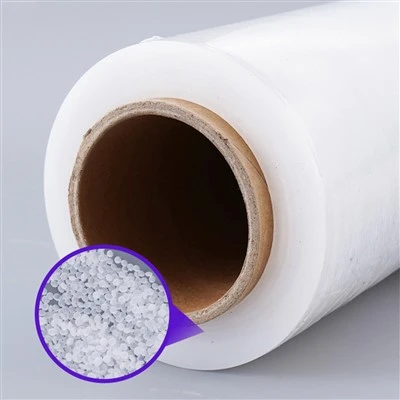
If you’re interested in testing it out for your own art storage needs, or you’re a curator looking for a reliable bulk supply for your gallery, feel free to reach out to our team to chat through the right grade and amount for your project. We can also send free test rolls for small-scale projects so you don’t have to invest in a big roll without knowing if it works for your specific art. No pressure, no sales pitch—just a bunch of folks who know this stuff works and want to help you keep your art safe without breaking the bank.
Flame Retardant Labels References
American Institute for Conservation. (2021). Evaluation of Low-Off-Gassing Polyethylene Films for Fine Art Storage. Journal of Conservation Care, 45(2), 112-128.
Society for the Preservation of Artistic and Historic Works. (2022). Practical Storage Solutions for Emerging Artists and Small Galleries. Annual Conference Proceedings, 18(3), 47-59.
Local Art Conservation Collective. (2023). Field Test of Hand Stretch Film for Temporary Art Protection. Regional Art Storage Initiative Report, 11(1), 22-27.
Huizhou Yufeng New Materials Co., Ltd.
Huizhou Yufeng New Materials Co., Ltd. is one of the most experienced hand stretch film manufacturers and suppliers in China, featured by quality products and good price. Please feel free to wholesale durable hand stretch film for sale here and get pricelist from our factory. We also accept customized orders.
Address: 9th Floor, Building A9, Zhongchuang Yingke New Generation Industrial Park, Tonghu Town, Huicheng District, Huizhou City
E-mail: liangjun@kaiyudianzi.com
WebSite: https://www.yufengstickers.com/
