As a supplier of AWWA flanges, I get this question all the time from piping contractors, fitters, and even small municipal maintenance teams: “How do you weld an AWWA flange to a pipe without messing it up?” It’s not just a matter of grabbing a welder and a torch—AWWA flanges (American Water Works Association standard) are built specifically for potable water, wastewater, and raw water systems, so the weld has to hold pressure, resist corrosion, and meet strict dimensional tolerances. Over the 12 years I’ve been supplying AWWA flanges, I’ve seen too many teams cut corners here: misaligned flanges, skipped prep steps, welds that crack under pressure. Most of those mistakes stem from skipping the planning that makes the process actually work. Awwa Flange
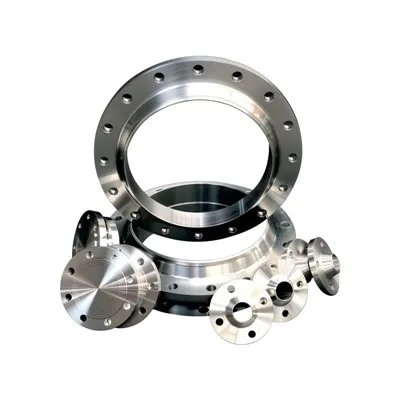
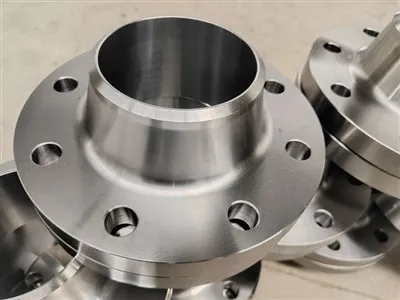
First, let’s start with what you’re working with. AWWA flanges come in two main types for welded connections: slip-on flanges and weld-neck flanges, both designed to mate with pipes per AWWA C207 (the standard for steel flanges for water service) and AWWA C200 (steel pipe for water). Slip-on flanges are cheaper and easier to align for small jobs, but weld-neck flanges are stronger, which makes them better for high-pressure systems or buried lines where stress is high. No matter which you pick, your pipe has to match the flange’s material—most AWWA flanges are carbon steel (A53 or A106 pipe, A105 flanges), but some are stainless steel for corrosive water. Mismatched materials are a fast track to weld failure, so confirm that first before you order any flanges from us.
Next, prep work is non-negotiable. I can’t tell you how many times a fitter has showed up to our warehouse with a pipe end that’s banged up, rusty, or cut at an angle, and tried to “make it work” with a flange. That never ends well. For a proper weld, the pipe end needs to be cut square within 1/16 inch of true, so use a pipe cutting saw or a square cut-off tool—never a torch that leaves a melted, uneven edge. Then, bevel the pipe end: for most AWWA flanges, a 30- to 37.5-degree bevel with a 1/16-inch root face (the flat edge at the end of the pipe) is required. This ensures the weld metal penetrates all the way through the joint, which is critical for pressure holding. If you skip the bevel, you’ll have a weak joint that leaks, even if the outside weld looks solid.
Then, clean the joint. Welding rust, oil, paint, or dirt will cause porosity—little holes in the weld that let water seep through and corrode the metal from the inside. I always tell customers to wire-brush the pipe and flange face within 1 inch of the weld line, and even sandblast if the surface is heavily rusted. For stainless steel flanges, don’t use a wire brush that’s been used for carbon steel—it’ll leave tiny steel particles that cause corrosion on the stainless. That’s a quick tip I picked up early, and it’s saved a lot of teams from callbacks.
Alignment is the next big hurdle, and it’s where most amateurs go wrong. AWWA flanges have very tight tolerance for bolt hole alignment and face flatness, so if the flange is twisted or the pipe is off-center, you’ll never get a proper seal. Start by sliding the flange onto the pipe—for weld-neck flanges, it should go all the way to the shoulder of the neck, no gaps between the pipe end and the flange’s inner face. For slip-on flanges, leave a 1/8-inch gap between the pipe end and the back of the flange to let the weld pool form without burning through. Use a flange alignment tool, not just a level or a tape measure, to make sure the flange is square to the pipe. I’ve seen fitters use a scrap piece of pipe as a spacer, but the right tool costs $50 and eliminates guesswork. Also, check that the bolt holes line up with the adjacent pipe’s flange—nothing’s worse than welding a flange only to find the bolt holes are 10 degrees off, so you can’t connect the next section. Tack welds are your friend here: put 3 or 4 small, ½-inch long tack welds around the joint, evenly spaced, then double-check alignment before you do the full weld. Tack welds are easy to grind down later, but they’re way better than holding the flange in place with a clamp while you weld.
Now, the actual welding step. AWWA specifies several weld processes for flanges, but the most common for field work is shielded metal arc welding (SMAW, or stick welding) and gas metal arc welding (GMAW, or MIG). Both work, but MIG is faster for most pipe sizes, while stick is more reliable in windy or dirty job sites. Whatever method you use, follow the weld sequence: start at the bottom of the joint, then weld 180 degrees around, skipping the top spot, then come back to fill in the top. This prevents the flange from warping—too much heat in one spot will twist the flange, making bolt holes misaligned and the face uneven, which leads to leaks even if the weld is strong. For AWWA flanges, the weld fillet has to be at least as thick as the pipe’s wall thickness. If your pipe is ½-inch thick, your weld fillet needs to be at least ½ inch—no skimping here. Also, multiple small weld passes are better than one big pass. Big passes put too much heat into the metal, causing warping, while small, layered passes give you a stronger, more uniform weld. After welding, let the joint cool slowly—don’t quench it with water, that causes cracks. For buried lines or high-pressure systems, you might even do a post-weld heat treatment, which relieves stress in the metal. It’s an extra step, but it prevents welds from failing when the ground shifts.
Once the weld is done, you’re not finished. AWWA flanges require a face flatness check and a hydro test for pressure. Use a straight edge and feeler gauges to make sure the flange face is within 0.005 inches of flat—any more than that, and the gasket won’t seal, even if the weld holds. Then, do a hydrostatic test: fill the pipe section with water, pressurize it to 1.5 times the working pressure, and check for leaks around the weld and the flange. I’ve supplied thousands of flanges, and more than 10% of the returns I see are from welds that pass visual inspection but leak under pressure. That’s not a flange defect—that’s a bad weld job. If you skip the test, you’ll be digging up a line later, which is way more expensive than doing the test upfront.
Now, a few common mistakes I see all the time, that even experienced welders make. First, using a cheap flange that doesn’t meet AWWA standards. I’ve had a customer bring a flange to me that looked like an AWWA 12-inch slip-on, but it was made of thin metal, had bolt holes that were too small, and a face that was warped. They saved $50 on the flange, but it cracked under pressure a month later, costing them $2,000 in repairs. AWWA flanges aren’t just a label—they’re tested to withstand specific pressures and environmental conditions, so buying off-brand might save you money now, but costs you later. Second, grinding the flange face after welding. If you grind the flat face, you remove the material that the gasket seals against, creating a gap that leaks. The weld needs to be ground only on the inner and outer edges of the joint, not the flat face. Third, using the wrong gasket. AWWA systems use specific gaskets for water service—rubber for most potable water, EPDM for wastewater, metal gaskets for high pressure. Mixing up a gasket is another common leak cause, but that’s a separate conversation.
When I’m helping a customer pick a flange for their project, I always walk through these steps with them, because even the best flange in the world won’t work if the weld is done wrong. The key is planning: prep the pipe correctly, align the flange tight, weld with care, and test. There’s no shortcut here.
If you’re working on a municipal project, a commercial piping system, or a residential water line, and you need reliable AWWA flanges that are made to meet AWWA C207 standards, don’t cut corners. I’ve been in this industry long enough to know that a good flange and a proper weld save you time, money, and callbacks. If you have questions about flange sizes, materials, or the welding process for your specific job, reach out to discuss your project needs. Let’s make sure your next flange weld is strong, leak-free, and built to last.
Ks Flange References:
- AWWA C207, Standard for Steel Pipe Flanges for Water Works Service, American Water Works Association, latest edition
- AWS D10.10, Structural Welding Code – Steel, American Welding Society, latest edition
- AWWA M23, Pipe Materials for Water Services, American Water Works Association, latest edition
- OSHA 29 CFR 1926.352, Welding, Cutting, and Heating in Construction, Occupational Safety and Health Administration, latest edition
- Miller, J., Pipe Fitter’s Handbook, 5th Edition, McGraw-Hill, 2021
Shanxi Xinshunda Flange Manufacturing Co., Ltd.
As one of the most professional awwa flange manufacturers and suppliers in China, we also support customized service with competitive price. We warmly welcome you to wholesale high quality awwa flange for sale here from our factory. For quotation, contact us now.
Address: Zhunagli Industrial Zone,jinchang Town,dingxiang,shanxi,china
E-mail: sales01@xinflange.com
WebSite: https://www.xinflange.com/
