If you’ve ever tackled a radiator replacement, upgraded your car’s cooling system, or worked on a small industrial heating project, you’ve probably overlooked the unassuming role of radiator mounting brackets. These small, sturdy components hold your radiator in place, absorb vibration from moving parts, and prevent the kind of misalignment that leads to overheating or leaks. As a supplier who’s spent years helping mechanics, DIY enthusiasts, and industrial maintenance teams source reliable brackets, I can tell you that one of the most common questions I get is: “What’s the right price range for radiator mounting brackets?” The answer isn’t one-size-fits-all—it depends on a dozen factors, from material to intended use, and skipping that context can leave you overpaying or buying brackets that fail when you need them most. Radiator Mounting Brackets
Let’s start with the basics: why price matters for these small parts. A $5 bracket might seem like a steal, but if it’s made of thin, flimsy steel that rusts after six months, you’ll be replacing it twice as often as a $12 bracket with a galvanized finish. On the flip side, a $50 bracket for a large industrial cooling system is actually a bargain if it prevents a $2,000 repair from a damaged radiator. My team sees this trade-off every day—last year, a local mechanic bought 10 cheap brackets for a pickup truck radiator; three split within a month, causing the radiator to shift, crack, and dump coolant all over the engine. He ended up spending more on emergency repairs than he would have if he’d invested in quality brackets upfront.
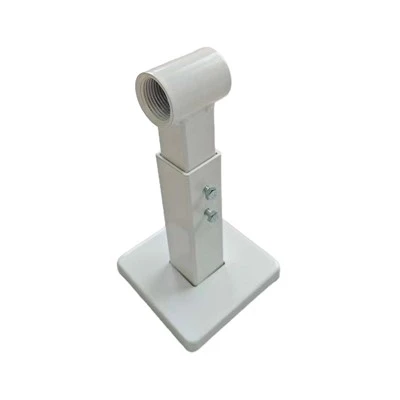
First, let’s break down the price tiers for consumer-grade brackets, the kind used for passenger cars, light trucks, and small residential heating units. This is the largest segment of our business, and the range here is pretty straightforward. Basic, standard steel radiator brackets—no frills, no corrosion protection, just the bare metal to hold a small radiator—typically run between $3 and $8 per pair. These are perfect for temporary repairs, budget builds, or projects where you’re working in a climate-controlled space with low moisture. But here’s the catch: they’re not designed for harsh conditions. If you’re driving a pickup in the snow, where road salt is ubiquitous, or installing a radiator in a basement with high humidity, these basic steel brackets will rust through faster than you’d expect. That’s why the next tier, galvanized steel brackets, is the sweet spot for most consumer applications. Galvanization coats the steel with a zinc layer that prevents rust, making these brackets durable for everyday use. They cost between $9 and $18 per pair, and they’re the most popular option for us—9 out of 10 retail customers who buy brackets for personal vehicles go for this range.
Then there’s the premium consumer-grade option: stainless steel brackets, which run $20 to $35 per pair. These are made from 304 or 400 series stainless steel, which is virtually immune to rust, even in coastal areas where salt air eats away at regular metal. I’ve had customers from Florida tell me their stainless brackets have lasted 12 years with no sign of corrosion, while their old galvanized ones needed replacing every two. For someone who plans to keep their car for a decade, or lives in a region with extreme weather, the $20–$35 range is worth the investment. You also get more adjustability here—many stainless brackets have slotted holes that let you fine-tune the radiator’s position, which is a big plus for custom builds or older cars where exact factory alignment is hard to match.
Now, moving to the mid-grade and heavy-duty segments, which cover larger applications: light industrial equipment, small construction vehicles, RV cooling systems, and residential furnace radiators. This is where the price range widens a lot, because the brackets have to handle way more weight and stress. For light industrial use—think a small compressor’s radiator or a RV’s engine cooling system—we sell heavy-duty galvanized steel brackets that can support 50 to 100 pounds, priced between $22 and $45 per pair. These are thicker than consumer brackets (usually 1/8-inch steel, vs. 1/16-inch for basic models) and have reinforced edges to prevent bending when the equipment vibrates while running. A lot of our agricultural customers buy these for tractors and ATVs, which get jostled on rough terrain—they tell me these brackets don’t bend, even after hundreds of miles of off-roading.
If you’re dealing with larger, higher-stress applications—like construction equipment, commercial HVAC systems, or industrial cooling towers—you’re looking at the heavy-duty professional grade, where brackets can cost $50 to $150 each. That’s not a typo; these aren’t the small, lightweight brackets you bolt onto a car. A single heavy-duty bracket for a 500-pound industrial radiator is made from 1/4-inch steel, sometimes with a powder-coat finish for extra durability, and rated to withstand hundreds of pounds of force. We’ve sold brackets in this $50–$150 range to a manufacturing plant that needed replacements for their overhead cooling system, and they told me the brackets they’d been using before were cheap, bending under the weight of the radiator and causing it to leak. Our heavy-duty brackets cost more, but they come with a 5-year warranty, which is a big difference from the 90-day warranty on cheaper options.
Wait, but there’s another factor that affects price: custom brackets. A lot of our customers don’t need a standard size—they’re building a custom car, retrofitting a furnace, or putting a cooling system on a niche piece of equipment. Custom radiator mounting brackets cost more than off-the-shelf ones, usually running between $30 and $200 each, depending on the complexity. If you need a bracket that’s bent to a specific angle, has mounting holes in a unique pattern, or is made from a specialized material like aluminum, the price goes up. We worked with a customer who was building a custom electric car; his radiator needed a bracket that fit into a tight space, so we had to fabricate a custom stainless steel bracket for him, which came to about $75 per unit. For a small custom job, that’s reasonable—there’s no way he could find an off-the-shelf bracket that fit, so this was the only option.
Now, let’s clear up some common misconceptions about pricing. A lot of people assume that “more expensive” means better, but that’s not always true. If you’re installing a radiator in a 2010 sedan that you plan to sell next year, a $5 basic steel bracket is fine—you don’t need to spend $25 on stainless steel. On the flip side, don’t buy a $5 bracket for a heavy-duty industrial application, because it will fail. I’ve had clients who tried to save money by buying cheap brackets for their construction equipment, and it cost them thousands in downtime when the radiator shifted and got damaged. As a supplier, we always ask customers about their application first—what vehicle or equipment is this for, what’s the environment like, how long do they need the bracket to last—before suggesting a price range. That’s why we don’t just list prices on our website; we have a team that talks through each customer’s needs, because one size doesn’t fit all.
Another thing that impacts price is quantity. If you’re a mechanic buying 50 pairs of brackets for a fleet of service vehicles, you’ll get a bulk discount, usually 10–20% off per pair. The same goes for industrial customers buying 100 or more heavy-duty brackets—we can adjust pricing to fit their budget. For DIY enthusiasts buying just one pair, the price is at the higher end of the retail range, but we keep it fair because we know small-scale buyers don’t want to overpay either. That’s a big part of being a supplier, I think—balancing bulk rates for professionals and affordable options for hobbyists, without cutting corners on quality.
Let’s also talk about what’s included in the price that some suppliers skip. A lot of cheap brackets don’t come with mounting hardware—bolts, washers, nuts—so you’ll have to buy those separately, adding $2 to $5 to your total cost. When we sell brackets, we include the correct hardware for the size and application, so you don’t have to run to the hardware store at the last minute. That’s a small detail, but it saves customers time and money, and it’s why a $12 pair from us is often a better deal than a $7 pair from a supplier that doesn’t include hardware. We also include a 1-year warranty on all our brackets, even the basic ones, which is more than many other suppliers offer.
Over the years, I’ve seen the radiator mounting bracket market shift a lot. A decade ago, most brackets were just basic steel, with little variety. Now, customers have options for every use case, and prices have adjusted to reflect that. The basic tiers are still around, but the mid and heavy-duty ranges have expanded as more industrial customers and custom builders need specialized brackets. What hasn’t changed is the importance of buying the right bracket for your job. Too many people focus solely on the price tag, and that’s where mistakes happen.
If you’re still unsure where you fall in the price range, here’s a quick guide:
- If you’re working on a standard passenger car or small home heating unit, in a mild climate: $3–$18 per pair (basic to galvanized steel)
- If you live in a harsh climate, own a custom car, or want long-term durability: $20–$35 per pair (stainless steel)
- For light industrial, RV, or agricultural equipment: $22–$45 per pair (heavy-duty galvanized steel)
- For heavy-duty industrial or commercial applications: $50–$150 per unit (professional-grade steel or stainless)
- For custom builds: $30–$200 per unit, depending on specifications
At the end of the day, radiator mounting brackets are a small part, but they’re critical. A good bracket doesn’t just hold your radiator in place—it prevents breakdowns, saves money on repairs, and keeps your cooling system running smoothly. As a supplier, we’ve built our business on helping customers find the right balance between price and quality, whether they’re a DIY homeowner replacing a bracket on their minivan or a manufacturing manager outfitting a whole fleet of equipment.
If you’re ready to talk through your specific needs, whether you’re looking for bulk orders, custom brackets, or affordable options for a personal project, don’t hesitate to reach out to our team to discuss procurement. We can walk you through the price range that fits your application, answer any questions about materials or durability, and make sure you get the right brackets for the job.
Spray Painting Conveyor Systems References
- Automotive Cooling System Manufacturers Association. "2023 Industry Guide to Radiator Components and Installation."
- Industrial Maintenance and Operations Journal. "Cost-Benefit Analysis of Heavy-Duty Mounting Brackets for Industrial Cooling Systems."
- Society of Automotive Engineers. "SAE J1926: Standard Specification for Radiator Mounting Components for Light-Duty Vehicles."
- National Association of Home Builders. "Residential HVAC Installation Best Practices: Mounting and Support Components."
Wanyuan Yuanwei Automation Equipment Co., Ltd.
With abundant experience, we are one of the most professional radiator mounting brackets manufacturers and suppliers in China. Please feel free to wholesale high quality radiator mounting brackets for sale here from our factory. Good service and punctual delivery are available.
Address: No.392, Wanbai Road, Baisha Town, Wanyuan City, Dazhou City, Sichuan Province
E-mail: wanyuanyuanwei@outlook.com
WebSite: https://www.yuanweiautomation.com/
