Hey folks, let’s cut to the chase—if you’re here scrolling because your vehicle’s brakes feel “off,” or you’ve been eyeballing your brake drums wondering if they’re actually the culprit behind that mushy pedal or missing stopping power, you’re in the right spot. Full disclosure: I’m in the thick of the auto brake drum game—been supplying drums to shops, fleets, and DIYers for like 12 years now, so I’ve heard every “my brakes suck” rant and traced way more issues back to drums than most folks realize. Today, we’re ditching the jargon, no textbook fluff, and answering the question that’s probably been bugging you: Can bad brake drums cause loss of braking power? Spoiler: Yeah, they absolutely can—and not just because “they’re old.” Let’s break it down like we’re chatting over a coffee after a long day at the shop. Automobile Brake Drum
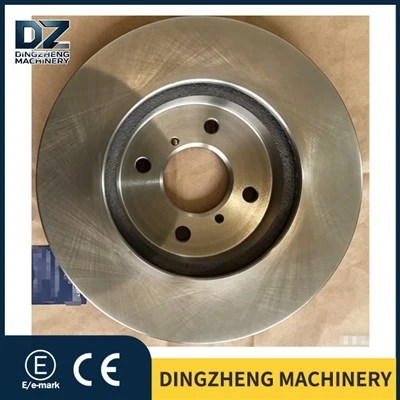
First, let’s keep this super basic for anyone who’s not a gearhead: brake drums are metal cylinders that spin with your wheels. When you hit the brakes, brake shoes press out against the inner walls of the drum, creating friction that slows the wheels down. Simple, right? So anything that messes with that perfect, tight contact between shoes and drum walls is gonna kill your stopping power. Now, “bad” drums don’t just mean rusty or worn out (though that’s a big part). Let’s walk through the most common issues I see cross my desk every week, and exactly how they tank your brakes.
First up: Grooves and hard spots. Over time, your brake shoes’ friction material doesn’t just wear out—it grinds tiny little lines, called grooves, into the inner surface of the drum. These grooves might look minor—like faint scratches, almost—but they’re a huge problem. Why? Instead of your whole shoe rubbing against a smooth, uniform surface, it sits in the valleys between the grooves. That means only the tops of the shoe touch, not the full contact patch. Less surface area = less friction = you gotta press harder on the pedal, and even then, you’re not slowing down like you should. Hard spots are even worse. When brakes get hot (think stop-and-go highway traffic, or hauling heavy stuff), the drum’s metal can get unevenly heated. That causes tiny, brittle patches on the inner wall—hard, glazed areas where the friction from the shoe just can’t grip. It’s like trying to sand a glass window; no matter how hard you press, you’re not getting any traction. I’ve had a customer last month say his truck took twice as long to stop on his way to a job site, and when we pulled the drum off, there was a hard spot right where the lead shoe sits. Fixed that drum, and he called back the next day saying he was shocked how much better it felt. That’s exactly the loss of power we’re talking about.
Next big one: Out-of-round drums. This is super common, and so easy to miss if you just glance at a drum. A round drum spins perfectly in a circle, right? An out-of-round one has a slight oval shape, or wavy spots, so it doesn’t sit evenly against the shoes. What happens when you hit the brakes? That oval shape means some parts of the drum press the shoes harder, and some barely touch. Again, inconsistent friction. You’ll feel a pulsing pedal, maybe even a slight shake when braking, but the main thing is the stopping power is garbage. I’ve seen drums that were only .010 inches out of round cause a 15% longer stopping distance. That’s the difference between hitting a deer and swerving out of the way. Insane, right? And here’s the kicker: A lot of folks will turn a slightly out-of-round drum to “fix” it, but if it’s too far out, turning it just makes the walls thinner. Go too thin, and the drum can crack under heat. We actually get a ton of returns from shops that tried to skimp on resurfacing drums instead of replacing ’em when they were too far gone. Those end up causing way more problems than they fix.
Then there’s rust and corrosion, especially if you live somewhere with harsh winters, or park your car outside 24/7. Brake drums are made of cast iron, which rusts if it’s exposed to moisture for long periods. Light surface rust is usually fine—your first few stops after leaving the shop will sand that off. But if the rust is thick, it’s like a layer of wax between the shoe and the drum. No grip, no stopping power. I had a fleet manager last winter tell me his delivery vans’ brakes felt “spongy” after a week of snow and salt. We pulled the drums off, and they had a full 1/8 inch of rust on the inner walls. Scrubbed that off, and his vans stopped like new. Another thing: Rust can build up on the flange of the drum too, the part that bolts to the wheel hub. That makes the drum sit lopsided, which can warp it or throw it out of round, adding another layer of loss.
Wait, let’s not forget about drum cracks. Small cracks might not seem like a big deal at first, but as the drum heats up, those cracks can spread, causing the drum to flex when you press the brakes. Flexing means inconsistent contact with the shoes—sometimes too much, sometimes too little, and when you need maximum stopping power, the drum shifts and you get nothing. I’ve seen drums crack so bad that when the shoe pressed, the drum bulged out just a tiny bit, and the brake basically didn’t work at all. Scary stuff, especially if you’re on a highway.
Now, here’s the part that a lot of DIYers and even some mechanics miss: It’s not just the drum’s condition, it’s how it pairs with the shoes. A worn drum might have a groove that doesn’t match the new brake shoes you installed. Old shoes are curved to fit the old drum’s shape; new shoes are flat, so if you put new shoes on a grooved drum, you’re not getting full contact. That’s a super common reason people think they have a bad brake line or a master cylinder issue, when it’s just a mismatched drum and shoes. We actually see this all the time at our shop: someone installs new shoes, complains brakes are worse, and when we check the drum, it’s got a 2-year-old groove in it from the last set of shoes. Swapping the drum fixes the problem right away.
Okay, so let’s flip the script: What does a bad drum that’s causing loss of power actually feel like? You’re not gonna see a big warning light on the dash (most cars’ brake lights are for low fluid or worn shoes, not bad drums). You’ll notice: Mushy or spongy pedal—you gotta push it all the way to the floor to stop. Longer stopping distance—you used to stop at 100 feet, now you need 150. Uneven braking—your car pulls to one side when you hit the brakes, even if the shoes are new. Pulsing or shaking in the steering wheel when braking. And sometimes, a weird grinding noise that’s not just the shoes wearing out. If you’re having any of these, don’t wait—bad brakes = bad news.
Now, let’s talk about why this matters for you. If you’re a regular driver, bad drums don’t just make your commute annoying—they’re a safety hazard. If you’re a fleet manager, that loss of stopping power can mean more accidents, higher insurance, and downtime when your trucks are out of service. For shop owners, replacing drums when they’re worn is way cheaper than dealing with lawsuits or repairs from a crash caused by bad drums. That’s why we prioritize supplying drums that meet strict specs—thickness, roundness, surface finish—because cutting corners here isn’t worth it.
Wait, let’s clear up a myth too. Some folks think if the drum “looks good” from the outside, it’s fine. Nope. A drum can be smooth on the outside, but have a huge groove or hard spot on the inside that you can’t see unless you pull it off. I’ve had someone bring in a drum they said was “perfect, no rust, no dents,” and when we measured the inner surface, it was .020 inches out of round—way beyond the safe limit. That’s why regular inspections (every 20,000 miles, per most manufacturer guidelines) are key. Don’t just check your brake pads—ask to have your drums measured too.
Another thing: When you replace drums, don’t just go for the cheapest one. A cheap drum might be made of thin, low-quality cast iron, which warps way faster than a good one. We supply drums that are precision-machined to exact specs, so they stay round longer, have a uniform surface, and resist heat better. That means less resurfacing, less replacement, and better braking power for your customers. I’ve had a mechanic tell us that switching to our drums cut their brake call-backs by 40%—that’s huge for a shop, and for the drivers who rely on their brakes.
So, to wrap this all up: Yes, bad brake drums absolutely cause loss of braking power. Whether it’s grooves, out-of-round, rust, hard spots, cracks, or mismatched shoes, any issue that messes with the contact between your brake shoes and the drum’s inner wall will kill your stopping ability. It’s not just an “old car” problem—modern vehicles with drums (still a lot of them, especially on rear wheels) have the same issues.
If you’re dealing with any of the symptoms I mentioned, or if you’re a shop, fleet, or DIYer in need of quality brake drums that don’t cut corners, we’re here to help. We’ve got drums for passenger cars, trucks, vans, heavy-duty fleets, whatever you need. Our team’s been in this business for decades, so we know exactly what it takes to make drums that keep brakes working like they should.
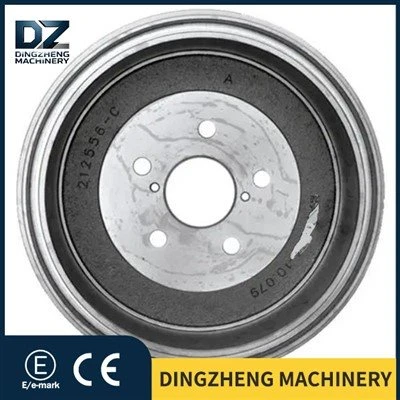
Ready to chat about your brake drum needs? Reach out, and we can walk through specs, pricing, whatever you need to get you back on the road with safe, reliable braking.
HYUNDAI Series Brake Discs References
- National Highway Traffic Safety Administration (NHTSA). "Brake System Inspection and Maintenance Guidelines." 2022.
- Automotive Brake Manufacturers Association (ABMA). "Brake Drum Performance Specifications and Failure Modes." 2021.
- Society of Automotive Engineers (SAE International). "Surface Roughness Effects on Friction between Brake Shoes and Drums." Journal of Automotive Engineering, 2020.
- Consumer Reports. "What You Need to Know About Drum Brakes and Common Issues." 2023.
Laizhou Dingzheng Machinery Co., Ltd.
As one of the most professional automobile brake drum manufacturers and suppliers in China, we’re featured by quality products and good price. Please rest assured to buy cheap automobile brake drum for sale here from our factory. We also accept customized orders.
Address: Luan Jia village, Tushan town, Laizhou city, Shangdong
E-mail: AMY@cndingzheng.com
WebSite: https://www.dingzhengbrake.com/
