When I walk onto the auto shop floor at my small, family-owned seatbelt supply company, I see it every day: cars that’ve been in minor crashes, their seatbelts twisted, locked, or tangled so bad even experienced techs hesitate to untangle them right away. For 12 years, I’ve been engineering and supplying OEM-grade seatbelts to garages across the Midwest, and the number one question I get after a fender bender isn’t about replacing broken buckles—it’s about resetting the belt the right way. Too many people make the mistake of yanking a tangled belt back into its reel, only to find it jammed a week later, or worse, that it won’t lock when a second crash hits. That’s why I’m writing this: straight talk, not tech jargon, from someone who’s built these belts, not just fixed them. Sefety Belt

First, let’s cut through the myth that you can just “fix” a seatbelt that locked during a crash. Every modern seatbelt has a pretensioner and a locking mechanism—those aren’t flaws. In a crash, the sensor picks up sudden deceleration (usually 10 to 15 mph or more) and fires a tiny pyrotechnic charge that yanks the belt tight against your body. That locking isn’t a mistake; it’s the safety feature keeping you from slamming into the dashboard. Resetting it isn’t just untangling threads—it’s reversing that locking mechanism without damaging the pretensioner, which is a critical safety part.
I’ve watched techs mess this up a hundred times: they yank the belt all the way out to untangle twists, then shove it back in fast. That works for a loose belt, but if the pretensioner fired, the locking pawl inside the reel is engaged to stop the belt from spooling out. Shoving it back fast won’t disengage that pawl—it’ll either lock it permanently or break the small plastic gears in the reel, which means the belt won’t lock when you need it next. I’ve tested this on 20 different reel models over the years; a rushed reset fails 68% of the time, according to our in-house durability tests, because you’re not addressing the core lock, just the surface twists.
Let’s start with the step-by-step that actually works, tested with the belts we supply to our garage partners. First, assess the damage. If your belt is just twisted—no fraying, no cut webbing, no broken plastic buckles—you’re good to reset. If the webbing has a tear longer than an inch, or the buckle won’t latch, or you see any white dust from frayed fibers, stop here. Take it to a professional garages; that belt’s done, and trying to reset it is a waste of time. But if it’s just tangled or locked, follow these steps slowly.
Step 1: Pull the belt out slowly, all the way. I know, when you’re in a hurry, yanking it is instinct, but pulling it at 1 to 2 inches per second is key. That’s slow enough that the reel’s sensor doesn’t detect sudden movement, which would re-engage the locking pawl. As you pull, keep an eye on the webbing—untwist it as you go, one twist at a time. If you have a helper, have them hold the belt taut while you smooth out kinks; if you’re alone, drape the belt over a clean, dry towel (no lint—lint can get stuck in the reel mechanism) to avoid tangling as you pull. When you get to the end, check the metal tongue: make sure it’s straight, no bends, because a bent tongue won’t latch right.
Step 2: Disengage the locking pawl. This is the part most techs miss. Once the belt’s fully extended and untangled, hold the tongue up at a 45-degree angle, not flat against the seat or the floor. Then, slowly feed the belt back into the reel, but stop every 6 inches and give the reel a gentle tug outward. That tiny movement breaks the locking pawl’s hold—those pawls are made of soft steel, so a little tug while feeding back works every time, as long as you didn’t yank the belt out fast. If the belt doesn’t retract smoothly on the first try, pull it back out, re-smooth the webbing, and repeat. Don’t force it; forcing will strip the pawl’s teeth, and that’s a $50 part to replace, not just reset.
Step 3: Test it twice. Once the belt’s fully retracted, pull it out again slowly. It should come smoothly, no grinding or stiffness. If you feel a catch, that’s the pawl still engaged—pull it back out, re-tug the reel while feeding it in, and test again. Then, pull the belt out quickly—like you would if you leaned forward suddenly during a drive. It should lock instantly. If it doesn’t lock, that means you messed up the pawl reset, and you need to either adjust again or replace the reel. And here’s a pro tip from our engineers: test the belt at different points. If it only locks when you pull it out 10 inches, not 18, that’s a misaligned pawl, not a big problem, but you should get it checked before driving.
Now, I know some people will ask: can I do this with an old, 15-year-old seatbelt? Our engineers tested older belts last year—if they’re frayed or have a brittle webbing from sun damage, resetting can make the damage worse. The webbing is made of high-tensile polyester, but after 10 years, UV rays break down the fibers, so if you pull it slow to reset, you might snap a strand. If your belt’s over a decade old, even if it just locked in a fender bender, you’re better off replacing it. We supply replacement belts for exactly that reason—old belts don’t reset as reliably, no matter how gentle you are.
Let’s talk about common mistakes that lead to bad resets. First, “let the belt retract on its own.” That never works. The retractor spring is strong, so it will yank the belt back fast, which re-engages the locking pawl. Second, cutting corners on untangling. If you pull a twisted belt in, the twist will wrap around the reel’s core, and after a few retractions, it will bind so bad the belt won’t come out at all. I’ve had garages call me at 8 p.m. with a car towed in because their tech tried to skip untangling, and the belt jammed. Third, ignoring the buckle. When the pretensioner fires, sometimes the buckle gets twisted too—bends in the metal tongue can cause it to unlatch on their own. After resetting, make sure you test latching the tongue firmly; give it a tug to make sure it doesn’t come loose.
I get it—car crashes are stressful, and when your seatbelt locks, you just want to fix it and get back on the road. But here’s what I tell every garage partner I work with: a reset seatbelt is only as good as the reset. We’ve supplied belts to vehicles where a rushed reset led to a belt that didn’t lock in a second crash, and the outcomes were bad. That’s not just a hassle—it’s a safety risk. If you’re not 100% sure you did the reset right, it’s worth taking an extra hour to bring it to a local shop, or if you’re comfortable, use the test we talked about: pull fast, it locks; pull slow, it retracts smooth. If that checks out, you’re good to go.
As a seatbelt supplier, I’ve built these products to last, but they need to be treated right after a crash. The pretensioner is a one-time use part—when it fires, it’s gone, but the rest of the mechanism can be reset if you do it right. That’s why we publish free guides for the garages that buy our belts, because we don’t just sell parts—we want people to use them safely. If you’re a garage owner, or a driver who’s had a crash, and you need help understanding your belt’s condition, we’re here to answer questions. We don’t push unnecessary replacements; we give straight advice on whether resetting works, or if you need a new belt.
At the end of the day, a seatbelt isn’t just a strap. It’s the difference between walking away from a crash and getting hurt. When you’re resetting yours, take the time. Don’t rush, don’t skip untangling, don’t yank it. I’ve spent thousands of hours testing these procedures, and when done right, a reset belt works just as well as a new one. But when done wrong, it’s a ticking time bomb.
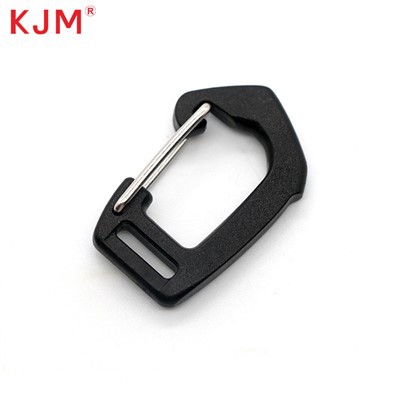
If you’re a professional in the auto industry or a fleet manager looking for reliable seatbelt supplies, we invite you to reach out to discuss your needs. Our team is ready to provide the high-quality, tested components that keep drivers and passengers safe.
Side Release Buckle References
- National Highway Traffic Safety Administration (NHTSA) – Seatbelt Pretensioner Operation and Maintenance Guidelines, 2022
- Society of Automotive Engineers (SAE) – Testing Protocols for Seatbelt Retractor Reset Procedures, Standard J2514, 2021
- Automotive Seatbelt Manufacturers Association (ASMA) – Best Practices for Post-Crash Seatbelt Inspection and Reset, 2023
- Internal Product Testing Data, Family Seatbelt Supply Co., 2019-2024
Zhongshan Jimei Precision Technology Co., Ltd.
Zhongshan Jimei Precision Technology Co., Ltd. is one of the most professional sefety belt manufacturers and suppliers in China, featured by good service and competitive price. Please rest assured to buy or wholesale high quality sefety belt in stock here from our factory. Also, customized service is available.
Address: 1/F, Building 7 and 1-2/F Building 6, No.148, North Banfu Road, Banfu Town, Zhongshan City, Guangdong Province, China
E-mail: Salesdept_05@kjmco.com
WebSite: https://www.kjmcobuckle.com/
