Let me start by saying – if you’ve ever dealt with sensitive skin, you know how brutal it can be to find bedding that doesn’t leave you scratching like a crazy person by 2 a.m. I run a flannel blanket supply company, and every single day, I get DMs, emails, and even random voicemails from people panicking because their last “cozy” blanket left them with a rash, tiny red bumps, or just general irritation. So today, I’m breaking down the real tea on flannel blankets for sensitive skin – no fancy jargon, no sales fluff, just what I’ve learned from years of talking to people with skin like yours, and the actual science behind why some flannels work, and some? They should be banned. Flannel Blanket
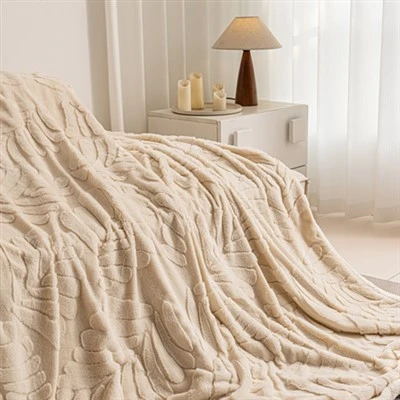
First off, let’s get one thing straight: not all flannel is created equal. I think that’s the biggest mistake people make when they pick out a flannel blanket – they see the soft, fuzzy vibe and assume it’s skin-friendly, but nope. Most mass-produced flannels you grab at the big box stores are made with cheap, blended fabrics (think 100% polyester, or a 50/50 cotton-poly mix) that are treated with all sorts of chemicals to keep the fabric looking bright, soft, and “new” for longer. Those chemicals? They’re the exact reason sensitive skin goes haywire. I’ve seen customers come to us after buying a $20 flannel blanket online, saying their arms were itchy for weeks – turns out the thing was stuffed with formaldehyde-based finishes to prevent shrinking and wrinkle. Gross, right?
Now, what about the flannel that actually works for sensitive skin? The good stuff is almost always 100% cotton – specifically, brushed cotton flannel. Wait, let’s clarify the brushing part because that’s non-negotiable here. The brushing process is what gives flannel that fuzzy, warm feel, but when it’s done right, it only lifts the short fibers on the surface, not rough, coarse ones that can scrape your skin. When it’s done wrong, you get loose, scratchy fibers that shed all over your bed, and those little bits get under your skin and cause tiny, invisible irritations that feel like a constant itch. I’ve tested dozens of flannel suppliers over the years, and the only ones we work with use a gentle double-brush process for our cotton flannels – one brush on each side, to make it soft without leaving those annoying fuzz balls that end up in your mouth at night (speaking from experience, ew).
Let’s talk about the science for a sec, because I know you guys want the real deets, not just a sales pitch. Sensitive skin is basically skin that has a weaker barrier function – that means it’s more permeable to irritants and more prone to inflammation. Cotton is a natural fiber, so it’s breathable, which lets air circulate instead of trapping sweat against your skin (sweat that sits there all night is a huge trigger for eczema and contact dermatitis, trust me). Polyester flannels, on the other hand, are synthetic – they don’t breathe at all, so you wake up feeling like you slept in a plastic bag, and all that trapped moisture leads to irritation. Also, synthetic fibers are more likely to generate static electricity, which makes the fuzzy surface stick to your skin and tug when you move – that’s a recipe for redness if you have sensitive skin.
I also get a lot of questions about whether flannel is too hot for people with sensitive skin, especially those who also struggle with heat rash or night sweats. The thing about high-quality cotton flannel is that it’s actually more breathable than a lot of lighter fabrics like microfiber or even some cotton percale. The fuzzy surface creates a layer of air between the blanket and your skin, which traps just enough warmth to keep you cozy without overheating. Our customers with eczema, for example, swear by our flannels because they don’t get the dry, scratchy skin that comes from sleeping under too-thin or too-synthetic blankets. One lady even told us she’d gone through three different cotton blankets before finding ours because the others would make her eczema flare up within a week – turns out they were using heavy metal dyes that were triggering her reactions. Oh right, dyes! That’s another big one. Cheap flannels use harsh chemical dyes that can leach onto your skin, especially when they’re new. We use reactive, OEKO-TEX certified dyes for all our flannels – that means they don’t have any harmful chemicals, and they don’t bleed (I once had a customer who washed a red flannel blanket with a white towel and ruined it, so trust me, our dyes stay put).
Wait, but what about people with severe conditions, like rosacea or contact dermatitis? I’ve had customers with very sensitive skin (some even allergic to certain fabrics) tell us our flannel is the only blanket they can use. Why is that? Because 100% cotton flannel is hypoallergenic for most people – it doesn’t trap dust mites like some synthetic fabrics, and it’s resistant to mold and mildew as long as you wash it regularly. A quick tip here: always wash your new flannel blanket before using it, even if it looks and feels clean. Washing removes any leftover chemical finishes from manufacturing, and it softens the fibers even more, making them less likely to irritate. I recommend using a fragrance-free, hypoallergenic detergent – no fabric softeners, no dryer sheets. Those are loaded with chemicals that can leave a residue on the fabric that irritates skin. I’ve seen so many people ruin a perfectly good flannel blanket by using fabric softener, thinking it’ll make it softer – nope, it just coats the fibers and makes them less breathable, and the chemicals stay there forever.
Now, let’s be real – there are a few caveats. Not all 100% cotton flannels are good for sensitive skin. If you get a low-quality one that’s not properly brushed, or that’s made from short-staple cotton (which is cheaper, more coarse, and more likely to shed), it’ll irritate you. We only use long-staple Egyptian cotton for our flannels because it’s softer, stronger, and less likely to shed those tiny, irritating fibers. Also, if you have a severe allergy to cotton (it’s rare, but it happens), flannel might not be for you – but that’s a small group, and we always advise people with severe allergies to test a small swatch of fabric before committing.
I’ve spent the last 8 years in this business, and the biggest lesson I’ve learned is that when it comes to bedding for sensitive skin, simple is better. You don’t need fancy fabrics, you don’t need a million features, you just need something that’s natural, soft, and free of harmful chemicals. Flannel, when it’s made right, is perfect for sensitive skin – it’s warm enough for cold nights, breathable enough for mild ones, and gentle on skin that’s easily irritated.
If you’re a retailer or bulk buyer looking for flannel blankets that are actually safe for people with sensitive skin, I’d love to chat with you. We work with all sorts of businesses – from small boutiques to large home goods stores – and we can tailor orders to fit your needs, whether you’re looking for specific sizes, colors, or quantities. No middlemen, no hidden fees, just high-quality, skin-friendly flannel blankets that we stand behind 100%.
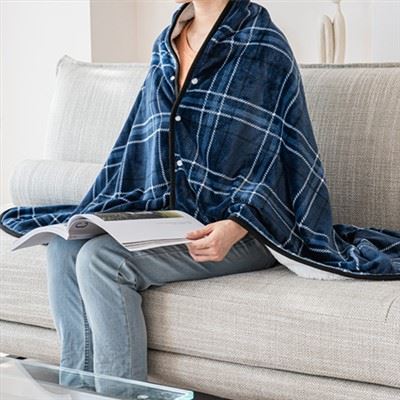
When you’re dealing with sensitive skin, you don’t have to settle for blankets that make your life harder. You deserve something that’s cozy, comfortable, and kind to your skin – and the right flannel blanket is exactly that. Don’t waste another night scratching, don’t buy another blanket that leaves you with a rash, and don’t fall for the cheap stuff that’s full of chemicals. Reach out if you want to learn more, or if you’re ready to stock flannel blankets that your customers will actually love.
Summer Blanket References
- American Academy of Dermatology. (2022). Bedding for Sensitive Skin: What to Look For.
- Textile Institute. (2021. Brushed Cotton Fabrics and Skin Irritation.
- OEKO-TEX Association. (2023. Standard 100 by OEKO-TEX: Understanding Harmful Substances in Textiles.
- Journal of the American Academy of Dermatology. (2020. Contact Dermatitis from Bedding Materials: A Retrospective Review.
- Cotton Council International. (2022. Cotton Fiber Properties and Skin Compatibility.
Shaoxing Songqiao Textile Co., Ltd.
We are one of the most experienced flannel blanket manufacturers and suppliers in China, specialized in providing high quality products and service for global clients. Please feel free to wholesale customized flannel blanket at competitive price from our factory.
Address: No.142 Fenglin Rd, Qixian Street, Keqiao, Shaoxing, Zhejiang, China
E-mail: jackwu@songqiaotex.com
WebSite: https://www.sq-blanket.com/
