What is a medium voltage electric motor? If you’ve ever walked through a factory floor, cranked a mining site, or even thought about how your local wastewater treatment plant keeps running smoothly, chances are you’ve stood near one. I’m the owner of a small electric motor supplier—we’ve been in the game for 12 years, and I get asked this question at least three times a week. A lot of folks mix up low-voltage and medium-voltage motors, and honestly, that confusion can lead to costly mistakes down the line. Let me break this down like I do for my regular clients, no stuffy jargon, just straight talk. Electric Motor
First off, let’s cut to the basics: voltage is just the force that pushes electricity through a wire. Low-voltage motors are the ones you see every day—they’re the little guys powering your washing machine, a small conveyor belt at a grocery store, or a power tool. Those usually run on 120V or 240V, max around 600V. Now medium voltage? That’s the sweet spot between low and high voltage, and it’s not some random number—we’re talking 1kV to 35kV, right? Wait, hold on—some folks narrow it to 2.4kV to 35kV, but for our line of work, we stick to the broader range because that’s what keeps most of our industrial clients happy. Why does that matter? Because when you’re moving heavy loads—like a 100-ton mine hoist, a large HVAC system for a skyscraper, or a water pump that feeds a city’s fire department—low-voltage motors can’t cut it. They’d draw way too much current, heat up like a pan on the stove, and burn out in no time. Medium voltage motors handle that load better because higher voltage means less current is needed for the same amount of power. That’s a game-changer for efficiency, and that’s why they’re the workhorses of heavy industry.
Let me give you a real example—last month, a manufacturing plant came to me because their old 480V motor on their main assembly line kept blowing. The line ran 24/7, moving 500-pound metal parts, and the low-voltage motor was drawing 800 amps just to keep up. It was tripping breakers every other shift, costing them $15,000 a week in downtime. We swapped it for a 4.16kV medium voltage motor—same power, but only 92 amps. They haven’t had a single trip since, and their energy bill dropped 12% in three months. That’s not magic, that’s how medium voltage works. But don’t think it’s just for big plants—we’ve sold small 2.3kV motors to agricultural operations for their grain drying systems, and they swear by it too. It’s not about size, it’s about the job the motor has to do.
Now, how are medium voltage motors different from the small guys you might know? For starters, their build is totally beefed up. The windings—those coils of copper wire that create the magnetic field—are thicker, and they’re insulated way better. You can’t use the same plastic insulation on a 10kV motor that you use on a 120V one; that insulation would arc, short out, or even cause a fire. We use things like epoxy resin, mica, and special varnishes that can handle higher electrical stress and heat. Then there’s the frame. A low-voltage motor might be a cast iron block the size of a microwave, but a medium voltage one? It’s more like a small refrigerator, and it’s bolted to a heavy base to handle the torque—twisting force—of big loads. Torque is another big deal: medium voltage motors deliver consistent, high torque right from start-up, which is critical for things like conveyor belts that need to get moving fast, or compressors that don’t tolerate lag.
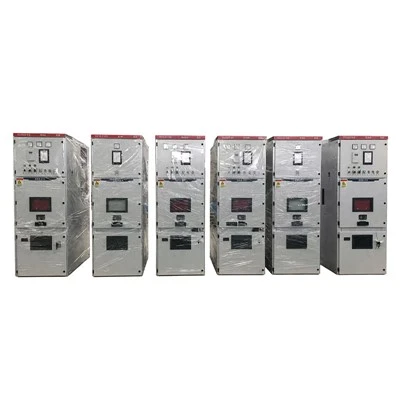
Another difference is how they’re controlled. You can plug a low-voltage motor into a regular wall outlet, but medium voltage motors need special gear—variable frequency drives (VFDs) to regulate their speed, and switchgear to turn them on and off safely. That’s not a negative, it’s a feature—VFDs let you adjust the motor’s output to match what you’re doing, so you’re not wasting energy when you don’t need full power. Our team works closely with clients to make sure the VFD and medium voltage motor are matched right; we’ve seen people pair the wrong gear and end up with a motor that’s either too slow or too fast, wasting money.
Wait, let’s talk use cases, because that’s where most people need clarity. If you’re in mining, medium voltage motors run the crushers, hoists, and conveyors that move raw materials out of the ground. In oil and gas, they power pumps that drill for oil and compress natural gas for pipelines. For water and wastewater, they drive the large pumps that move millions of gallons a day, and the aerators that keep treatment plants working. Even renewable energy—wind turbines use medium voltage generators (which are basically motors running in reverse) to feed power into the grid. And let’s not forget big commercial buildings: hospitals use them for their central chillers, data centers for their backup power systems, and airports for their baggage handling. If it’s moving, lifting, or processing something on an industrial scale, medium voltage is the go-to.
But here’s the thing—medium voltage isn’t one-size-fits-all. Just like a car needs different tires for snow vs. dry pavement, these motors come in types tailored to specific jobs. Let’s break down the main ones I sell, since that’s what I know. First, induction motors—these are the most common, super reliable, low maintenance. They’re great for constant-speed applications, like conveyors and pumps. Then there’s synchronous motors, which are more efficient at steady loads, perfect for large compressors. We also have permanent magnet medium voltage motors—they’re a bit newer, more expensive, but way more efficient for variable speed jobs, like wind turbines or battery storage systems. Last year, a solar farm bought four permanent magnet motors from us to pump water for their cleaning systems, and they told us the efficiency payoff was worth the extra cost in 18 months. I don’t push the fanciest ones unless they fit the client’s needs, and that’s the key—no upselling, just finding what works.
Now, I know what some of you are thinking: “Medium voltage sounds great, but is it worth the upgrade?” Let’s get real about the pros and cons, because it’s not for everyone. The pros are obvious: higher efficiency, lower current draw, less downtime for heavy loads, longer lifespan. A medium voltage motor can last 20+ years if you maintain it, compared to 10-15 for a low-voltage one in the same industrial environment. But the cons? They’re pricier upfront—usually 2-5 times more than a comparable low-voltage motor. They also need specialized installation and maintenance; you can’t just have a regular electrician wire one up, you need someone who knows high voltage safety protocols. That’s why my team offers not just motors, but installation support and annual maintenance checks—we’ve fixed a lot of motors that were ruined by bad wiring from someone who didn’t know what they were doing.
Safety is another big piece I don’t skip. Medium voltage is no joke—an arc flash from a 10kV motor can cause serious injury, even death, if you don’t follow the rules. That’s why all the motors we sell meet strict standards: NEMA in the U.S., IEC internationally. We test every single motor before it leaves our warehouse, check for insulation strength, temperature tolerance, and alignment. I’ve seen a client skip a test once, and their motor arced during start-up, blew out a window, and shut down their plant for two days. We now have a strict three-test process, and I never cut corners on that.
So when should you consider a medium voltage motor? If your current low-voltage motor is constantly overheating, tripping breakers, or needing replacement every year or two. If your energy bills are through the roof because your motor is drawing too much current. If you’re scaling up operations and need a motor that can handle higher loads without risking downtime. But if you’re powering a small shop’s tools, a residential HVAC unit, or a tiny conveyor in a coffee shop? Low voltage is totally fine, no need to overcomplicate things.
I get a lot of questions from clients who say, “I thought medium voltage was only for huge companies.” Nope—we’ve sold motors to small factories with only 20 employees, to farms with one grain dryer, to small municipalities running their local water system. It’s not about the size of the operation, it’s about the power you need. Last quarter, a small metal fabrication shop came to us with a 75 horsepower motor that kept overloading. Their shop does custom parts for local construction, and they couldn’t afford to shut down for repairs. We put in a 10kV medium voltage motor, and they’ve been running it for six months with zero issues. They said it paid for itself in saved repair costs in three months. That’s the stuff that makes my job worth it.
Now, if you’re reading this and you’re not sure whether you need a medium voltage motor, don’t guess. A lot of people try to wing it, and that’s how you end up with a motor that’s the wrong fit. My team can walk you through your current setup, check your load requirements, and recommend the right motor—no pressure, no jargon, just straight talk. We also do free site checks for local clients, so you don’t have to stress about measuring voltages or picking the right type.
At the end of the day, medium voltage motors are the unsung heroes of modern industry. They don’t get the same press as solar panels or electric cars, but without them, factories would shut down, cities would have broken water systems, and mines couldn’t get the materials we rely on. As a supplier, I’m proud to be part of that—we’ve built our business on giving clients honest advice, not just selling a product. If you’re dealing with motor issues, scaling up operations, or just want to upgrade to a more efficient system, reach out to our team to arrange a chat and learn more. We’ll break down what you need, no confusing terms, and make sure you get a motor that works for you.
High Voltage Switchgear References
- National Electrical Manufacturers Association (NEMA) Standards for Medium Voltage Motors, NEMA MG 1-2021
- International Electrotechnical Commission (IEC) Standards for Rotating Electrical Machines, IEC 60034-1:2020
- U.S. Department of Energy (DOE) Industrial Motor Systems Efficiency Guide, 2022
- Occupational Safety and Health Administration (OSHA) Electrical Safety Guidelines for Medium Voltage Equipment, 2021
Anhui Chenfeng Electric Technology Co., Ltd.
With abundant experience, we are one of the most professional electric motor manufacturers and suppliers in China. We warmly welcome you to buy bulk customized electric motor made in China here from our factory. If you have any enquiry about pricelist, please feel free to email us.
Address: Economic Development Zone, Jinzhai County, Lu’an City, Anhui Province (Chunxing Industrial Park 6-1)
E-mail: Xinniu61@outlook.com
WebSite: https://www.cn-chenfeng.com/
