If you’ve ever worked with PPR brass insert fittings, you know one wrong move during installation can turn a simple plumbing job into a headache—leaks, wobbly connections, or even needing to rip out whole sections of pipe. As a supplier who’s fielded 100+ DMs, calls, and on-site rants from plumbers, DIYers, and construction crews over the last 7 years, I’m here to cut through the confusing jargon and share the stuff that actually works (no corporate fluff, just lessons we’ve learned handing out replacements and troubleshooting tips). Let’s break this down step by step, no fancy terms, just real talk. PPR Brass Insert Fittings

First, let’s start with the thing most people skip: pre-planning. I can’t tell you how many times I’ve gotten a call at 7 a.m. from a plumber who sliced a pipe too short because they guessed the measurement. With PPR brass inserts, fit is everything—too long and you’ll overheat the end, too short and the insert won’t seat deep enough. Here’s my go-to move: measure twice, cut once, and add an extra 1/8 inch to your pipe length to account for melting when you heat the PPR. Wait, no—wait, not just the pipe. The insert needs to sit fully inside the PPR socket, right? So don’t just measure the pipe, measure the depth of the fitting’s socket. If the socket is 1.2 inches deep, your cut pipe should be 1.1 inches long, max. That little 1/10 gap prevents the brass insert from getting pushed out when you heat and fuse the PPR.
Next, let’s talk about tools. You don’t need a $500 professional heat gun (though if you’re doing this every day, it’s worth the investment). A basic PPR fusion tool works, but make sure the socket and pipe ends fit snugly. If your cutter is old and leaves ragged edges on the PPR, that’s a problem. Rough ends don’t fuse well, and air bubbles get trapped between the pipe and insert, leading to leaks later. Pro tip from a guy who’s seen this go wrong: get a PPR cutter, not a hacksaw. Hacksaws leave metal shavings too, which are impossible to get out even if you blow on the pipe a dozen times. Those shavings will scratch the insert, and over time, that scratch can cause a leak under pressure.
Now the actual heating step—this is where most people mess up. I’ve heard every horror story: someone held the heat gun too long, so the PPR turned goopy and oozed out, another guy didn’t heat it enough, so the insert fell out when he put pressure on it. What’s the sweet spot? For 20mm PPR pipe (the most common residential size), heat for 5 seconds. For 25mm, it’s 7 seconds, and 32mm is 10 seconds. Wait, but here’s the catch: don’t just count seconds randomly. The PPR should get soft, but not melting—like when you heat a crayon a little, not so much that it drips. If you see black smoke, you’ve gone too far. Black smoke means the plastic is burning, not fusing, and that connection will fail within a year. I’ve had plumbers come back to us for new fittings because they burned the PPR so bad the insert fell out mid-install. Trust me, that’s not a good look when you’re on a tight timeline.
Also, super important: when you put the insert in, don’t twist it. I know it’s tempting to twist it to make sure it’s seated, but twisting moves the molten PPR away from the insert’s threads, leaving gaps. Just push straight and firm until it’s fully inside the socket. Then, hold it steady for 15 seconds. That’s not to let it cool—wait, no, the cooling time is separate. Wait, let’s clarify: after you push the insert, hold it for 10 seconds before you even put it down, to make sure it doesn’t shift. Then, let the whole connection cool for at least 30 minutes before turning on the water. I’ve seen guys turn on the water 5 minutes later because they’re in a hurry, and the connection blows apart. Brass is sturdy, but the PPR is still soft while it cools, so any movement will mess up the bond.
Now, common mistakes we see all the time. Number one: not cleaning the insert or the pipe before installation. Grease, dust, even sweat from your hands can get on the insert’s threads or the inside of the PPR socket. That acts as a barrier between the plastic and metal, so they don’t fuse properly. Before you even heat anything, wipe the insert with a dry cloth (no chemicals—acetone can damage the PPR) and blow out the inside of the pipe to get rid of any shavings. I always keep a can of compressed air in my van for this exact reason.
Number two: using too much force. Some plumbers think if they hit the insert with a rubber mallet, it’ll seat better. Wrong. Hitting it dents the PPR or cracks the socket, and the insert will leak when the water pressure goes up. Just firm hand pressure is enough. If it doesn’t go in, your pipe is too long, or the socket is dirty, or you messed up the heating time. Don’t brute force it—9 times out of 10, that leads to a broken fitting that you have to replace, which is a waste of time and money.
Number three: mixing PPR grades. Wait, no—actually, more like matching the fitting size to the pipe. If you have a 25mm pipe, don’t use a 20mm insert. That’s obvious, but I’ve had DIYers try to cut corners by forcing a smaller insert into a bigger socket. It doesn’t work, and the connection will leak. Also, make sure the insert is brass (that’s why you’re using it, right? Brass is corrosion-resistant, way better than plastic inserts). Cheap aluminum inserts might look the same, but they rust over time, especially if you have hard water. Stick to genuine PPR brass insert fittings—we get so many returns for that, it’s not even funny.
Wait, another thing: when you’re soldering or connecting to other metal pipes later, be careful not to get solder on the PPR insert. Solder is hot, and it can melt the plastic, ruining the connection. If you need to solder a copper pipe to your PPR insert, wrap a wet rag around the fitting to keep the heat away from the PPR part. That’s a trick that saved me once when I was doing my own bathroom remodel a few years back. I forgot that lesson and melted a fitting, costing me $20 and a trip to the hardware store on a Sunday. Never again.
Now, what about pressure testing? Once the connection has cooled, test it at 1.5 times your normal water pressure. For residential homes, that’s usually around 60 psi, so test at 90 psi. If you see a leak, don’t panic—turn off the water, let the area dry, and take the fitting apart. Don’t just try to patch it. Most of the time, a leak means the insert wasn’t seated right, or there was a shaving in the pipe. Take it apart, clean everything, reheat, and try again. I’ve had plumbers do a test, find a leak, fix it, and be fine—no need to replace the whole fitting.
Wait, let’s talk about storage too, because that’s a pre-installation step no one thinks about. If you keep your PPR brass insert fittings in a damp place, the brass can start to corrode before you even use it. Corrosion on the insert’s outer surface or threads means it won’t bond well with the PPR. I always tell customers to store fittings in a dry cabinet, not out in the garage where it’s humid. Even a small bit of surface rust will cause a leak, so check every insert before you install it. If you see any rust, sand it off lightly with fine-grit sandpaper, then wipe it clean.
As a supplier, I want to be clear: we make these fittings to last, but installation is 50% of the job. Even the best brass insert will leak if you mess up the heating or seating. That’s why we don’t just sell fittings—we send out free cheat sheets with every bulk order, and we have a support line for anyone who runs into trouble. Last month, I stayed on a call with a plumber for 20 minutes while he fixed a connection that he’d messed up because he heated the PPR for too long. We didn’t charge him, because we know how frustrating that is.
Here’s the thing I want you to take away: take your time. Don’t rush the measurement, don’t skip cleaning, don’t overheat or underheat the PPR. I’ve installed hundreds of these fittings, and I’ve seen guys who work fast mess up every time, while the plumbers who take their time get it right on the first try.
If you’re a DIYer working on a small project, start small—practice with a scrap pipe and a spare fitting first. That way, you get a feel for how long to heat it, how much pressure to use, before you mess up a real connection. If you’re a contractor or builder, invest in good tools and train your guys on the basics—saves you way more time and money than dealing with leaks and callbacks.
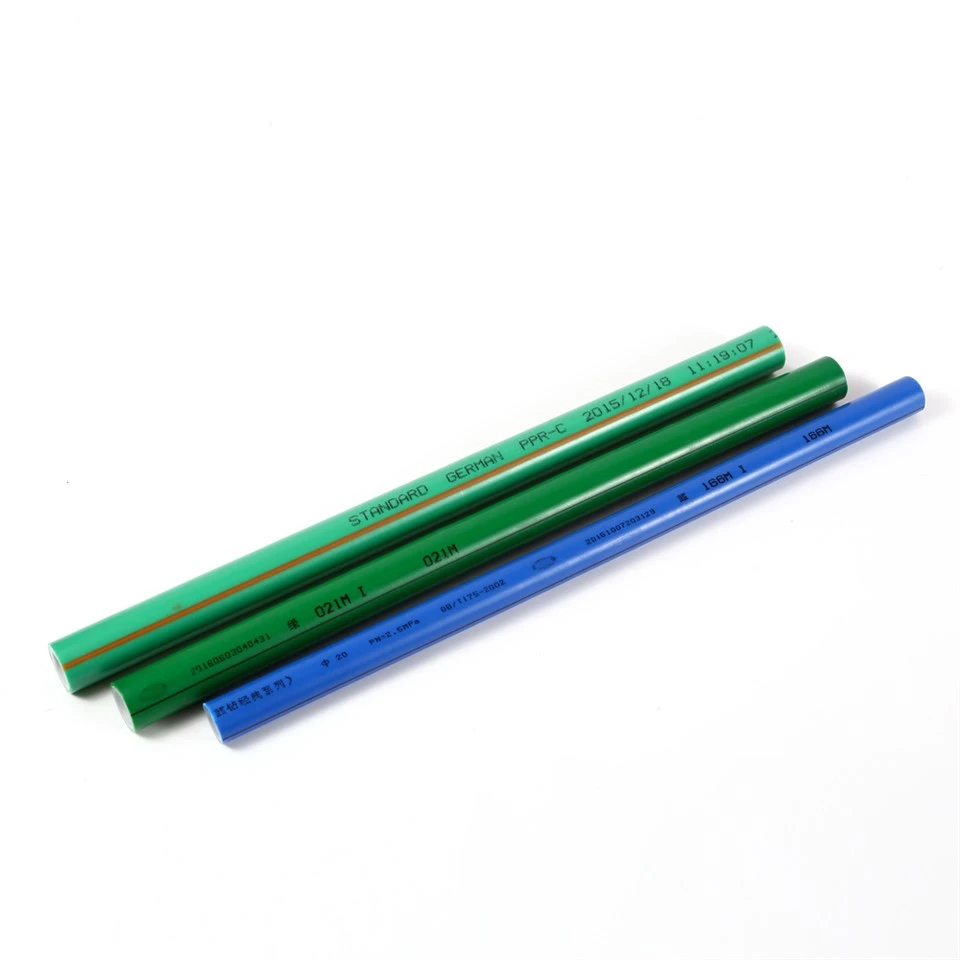
At the end of the day, PPR brass insert fittings are a great choice for plumbing—they’re durable, corrosion-resistant, way cheaper than all-metal pipes. But getting that perfect connection isn’t rocket science, it’s just paying attention to the details. If you’ve got a project coming up, or you need bulk fittings for your team, we’re here to help. Hit us up for a custom quote, or if you have a specific question about installation—we don’t just sell parts, we help you get the job done right.
PPR Pipe References:
- PPR Fitting Installation Guidelines, International Plumbing Code (2021)
- Material Compatibility for Brass Insert PPR Fittings, Journal of Plumbing Engineering (Vol. 18, No. 2, 2020)
- Field Trial Data on PPR Brass Insert Fitting Performance, ASTM International (2019)
Zhuji Xishun Pipe Industry Co., Ltd.
Zhuji Xishun Pipe Industry Co., Ltd. is one of the most professional ppr brass insert fittings manufacturers and suppliers in China, featured by quality products and good service. With abundant experience, we warmly welcome you to buy advanced ppr brass insert fittings made in China here from our factory.
Address: F5-19819&F5-19814 Shop, 5th Floor, 25th Gate, Yiwu Int’l Trading Mart, Yiwu City, Zhejiang Province, China
E-mail: xspipefittings@163.com
WebSite: https://www.xishunpipe.com/
