If you’ve ever pulled apart a flaky croissant that shatters into dozens of thin, buttery layers, or bitten into a delicate baklava that melts on your tongue, you’ve experienced the magic of layered pastry. At Layered Pastry Specialties, we spend every day perfecting these complex creations, turning basic ingredients into textures that balance crispness, chew, and richness. But not all layered pastries are made the same—each type relies on a unique method of folding, resting, and baking that gives it its distinct character. Let’s break down the most common and beloved types, how they’re made, and why they matter for anyone looking to bring these classics to their menu or table. Layered Pastry Specialties
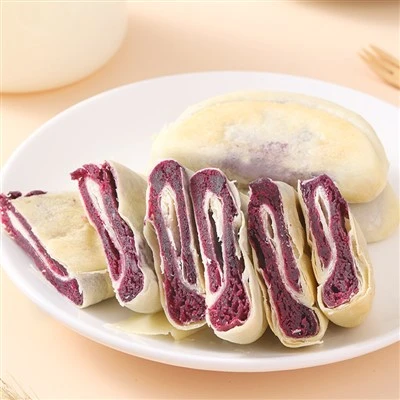
First, let’s get one thing straight: the heart of any layered pastry is the lamination process. Lamination is the technique of folding a dough around a block of fat (usually butter, but sometimes margarine or even oil for vegan options) and repeating the fold multiple times, creating hundreds of thin, alternating layers of dough and fat. When the pastry bakes, the fat melts, creating steam that pushes the dough apart into those flaky, distinct layers. Skip the proper rest between folds, and the fat will melt before the layers have a chance to form, resulting in a dense, tough pastry. That’s why we take the time to let our dough rest in a cool room between every fold—consistent temperature is key to perfect lamination.
Now, let’s dive into the most iconic types of layered pastry, starting with croissants. Croissants are a classic viennoiserie, meaning they’re a sweet or savory pastry made with yeast-leavened dough, a category that includes pain au chocolat and danishes too. The process for croissants starts with a basic yeast dough, similar to bread dough but with a bit more sugar and fat, folded around a block of chilled butter. The dough is folded in a series of turns—usually three folds, called a “triple turn,” repeated four to six times total—creating around 250 layers before the dough is rolled out, cut, shaped into the signature crescent, and proofed (left to rise) before baking. What makes croissants unique is their buttery, slightly tangy flavor and that airy, shatterable texture. At Layered Pastry Specialties, we use European-style butter for our croissants to get that rich, nutty note that sets them apart from mass-produced versions. They’re versatile too: you can fill them with ham and cheese for a savory breakfast, or chocolate and almond paste for a treat.
Next up, danish pastries, often confused with croissants, but they have their own identity. Danish dough is a bit richer than croissant dough, with more eggs and sugar, and the lamination process is similar, but the end result is softer, with a slightly sweeter profile. Danishes aren’t always shaped like crescents—they can be folded into squares, spirals, or even braids, and are typically filled with fruit, cream cheese, or almond paste before baking. What I love about danishes is how customizable they are: a fruit-topped danish with a glaze is a staple at weekend brunches, while a savory version with spinach and feta works for grab-and-go lunches. One common mistake with danish dough is overworking it during lamination—too much handling can make the layers tough instead of light, so our team follows a strict rest schedule to keep the butter chilled and the dough tender.
Moving beyond viennoiserie, phyllo (or filo) pastry is a whole different animal. Unlike yeast-leavened laminated doughs, phyllo is a paper-thin dough made from just flour, water, and a bit of oil, with no added fat block. The lamination here happens by brushing each thin layer with butter or oil before stacking them, creating hundreds of delicate layers that crisp up when baked. Baklava is the most famous phyllo-based pastry: layers of phyllo, chopped nuts (pistachios, walnuts, or almonds), and sweet syrup. Other phyllo creations span the Mediterranean and Middle East: spanakopita (spinach and feta stuffed phyllo triangles), burek (savory or sweet phyllo rolls), and even baklava ice cream sandwiches for a modern twist. The challenge with phyllo is working with it—it dries out incredibly quickly, so you have to keep unused layers covered with a damp towel. At Layered Pastry Specialties, we pre-portion and wrap our phyllo sheets to make it easier for our clients to work with, no more struggling to handle those thin, fragile layers.
Another type that often flies under the radar is puff pastry, which is the base for so many both sweet and savory dishes. Puff pastry is a laminated dough that doesn’t use yeast, relying solely on the fat layers to create lift. It’s made with a basic dough folded around a butter block, with the same triple turn process as croissants, but without the yeast leavening. This gives puff pastry a crisp, light texture that’s perfect for everything from apple tarts to beef wellington. What makes puff pastry versatile is its neutral flavor—you can top it with powdered sugar for a dessert, or fill it with mushrooms and gruyère for a appetizer. Many home bakers are intimidated by making puff pastry from scratch, but commercial versions (like the ones we produce at Layered Pastry Specialties) are pre-laminated and frozen, making it easy to thaw and use without all the work.
Then there’s strudel pastry, a Central European layered pastry that’s thin, stretchy, and often filled with fruit or nuts. Strudel dough is made by mixing flour, water, salt, and a bit of oil, then kneading it until it’s elastic enough to stretch into a sheet so thin you can see through it. Unlike phyllo, strudel is stretched instead of rolled, creating layers that are more like thin, connected sheets than distinct layers. The most famous strudel is apple strudel, filled with spiced apples, raisins, and breadcrumbs, rolled up and baked with a dusting of powdered sugar. It’s chewy in parts and crisp in others, a texture that’s totally different from puff or phyllo. Working with strudel requires a lot of practice—you have to stretch it evenly without tearing, which is why many bakeries opt for pre-made strudel dough, a specialty we offer for our clients who want to add this classic to their menus.
Wait, let’s not forget about mille-feuille, which translates to “a thousand leaves” in French. Mille-feuille is a pastry made with thin, crisp puff pastry layers sandwiched together with pastry cream and topped with glaze or powdered sugar. The key to a perfect mille-feuille is having uniform, crisp layers—too soft, and the pastry cream will make the layers soggy. That’s why our team at Layered Pastry Specialties par-bakes our mille-feuille layers so they stay crisp during shipping and handling, making it easy for cafes and restaurants to assemble them fresh for customers. It’s a showstopper dessert, perfect for celebrations, and it highlights the beauty of layered pastry: each bite has a different texture, from the crisp crust to the creamy filling.
Now, let’s talk about what makes these layered pastries more than just ingredients for desserts or appetizers. At Layered Pastry Specialties, we know that our clients—cafes, restaurants, caterers, and grocery stores—don’t just need pastries; they need products that are consistent, easy to use, and meet the demands of their customers. For example, croissants are still one of the top grab-and-go breakfast items in North America, so having a reliable supply of fresh, flaky croissants is non-negotiable. Puff pastry is a workhorse for kitchens, used in everything from savory turnovers to sweet tarts, so we offer both sweet and savory pre-shaped puff pastry options to fit different needs.
One thing we’ve learned over the years is that not all layered pastries are created equal when it comes to dietary restrictions. Many of our clients ask for vegan or gluten-free options, so we’ve invested in developing laminated phyllo and puff pastry that work for those diets, without sacrificing texture or flavor. For example, our vegan phyllo uses plant-based fat instead of butter, and our gluten-free puff pastry uses a blend of rice flour and tapioca starch to keep the layers light. That’s why we take pride in being more than just a supplier—we’re a partner for our clients, helping them adapt to changing customer demands with high-quality, versatile layered pastries.

Let’s wrap this up with why layered pastry has stood the test of time. From ancient Middle Eastern baklava to modern croissants, these pastries are a mix of craft and science: the science of lamination, of fat and temperature, and the craft of folding, resting, and shaping. At Layered Pastry Specialties, we’ve spent years refining our processes to honor that craft, while making it easy for businesses to bring these beloved treats to their customers. Whether you’re a cafe looking for a consistent croissant supply, a bakery wanting to add homemade-style danishes, or a restaurant in need of versatile puff pastry for your menu, we have the products and expertise to help. We also work with specialty clients on custom projects, like branded mille-feuille for a corporate event or limited-edition phyllo pastries for a seasonal menu. If you’re a buyer, chef, or business owner ready to explore how layered pastries can elevate your offerings, we’d love to connect to discuss your specific needs and find the right products for you. Don’t hesitate to reach out to us to arrange a time to talk through your requirements and sample some of our fresh, award-winning layered pastries.
Moon Cake References
- Calvel, R. (2001). The Taste of Bread: A Guide to Bread and the Art of Baking. Springer.
- McGee, H. (2004). On Food and Cooking: The Science and Lore of the Kitchen. Scribner.
- Hazan, M. (1992). The Classic Italian Cook Book. Alfred A. Knopf.
- Tritt, L. (2018). Viennoiserie: The Art of Croissants, Danish, and Sweet Breads. Rizzoli.
- Achaya, K. T. (1994). Indian Food: A Historical Companion. Oxford University Press.
Fujian Luchen Food Co., Ltd.
As one of the most professional layered pastry specialties manufacturers and suppliers in China since 1986, our products have good reputation in the market. Please feel free to wholesale bulk delicious layered pastry specialties from our factory. Good service and quality products are available.
Address: No.19, Shangxipulou, Nansheng Town, Pinghe County, Zhangzhou City, Fujian Province
E-mail: service@xmnahan.com
WebSite: https://www.luchenbakery.com/
