If you’ve ever packed for a camping trip, you know the rush of throwing a sleeping bag, a tent, a headlamp, and a can of bug spray into a duffel, only to arrive at the campsite and find half your gear caked in dirt, damp, or tangled beyond recognition. As a nylon storage bags supplier, I get asked all the time: “Can these bags actually hold up for camping gear, or are they just for pantry snacks or closet linens?” The short answer? Yes—they can, but not all nylon bags are created equal. Over the past 8 years in this industry, I’ve seen everything from flimsy, thin nylon bags that tear after one trip to heavy-duty ones that outlast tent poles and keep gear cleaner than any mesh sack. Today, I’m breaking down why nylon works for camping, the caveats you need to know, and how to pick the right bag for your next adventure. Nylon Storage Bags

First, let’s talk about what makes nylon such a go-to for outdoor use. Nylon is a synthetic polymer invented in the 1930s, originally for WWII parachutes, so its durability is rooted in a long history of withstanding extreme conditions. Unlike cotton, which absorbs water like a sponge and takes days to dry, nylon is hydrophobic—meaning it repels water, at least to an extent. Wait, let me clarify that: pure nylon doesn’t absorb water, but some cheaper nylon blends might be treated with a water-repellent coating that wears off over time. For camping, that’s a big win. If you’re caught in a sudden rainstorm while hauling gear to your site, a properly made nylon bag will shed water, not soak it, so your sleeping bag or down jacket stays dry. Compare that to a canvas duffel, which can weigh twice as much when wet and leave your gear damp and mildewy by morning. Canvas is great for some things, but not for packing delicate, moisture-prone camping gear.
Another key benefit: nylon’s tensile strength. Tensile strength is just a fancy way of saying how much a material can stretch before it breaks. Nylon has one of the highest tensile strengths of any common fabric, which is why it’s used for rock climbing ropes and backpack straps. A good nylon storage bag can hold 50 pounds or more without stretching out of shape or splitting at the seams. I’ve had customers tell me they use our extra-large nylon bags to pack 2 sleeping bags, a portable stove, and 3 coolers worth of snacks for a week-long trip, and the bag still looks brand new after 10 trips. The average cotton bag, on the other hand, can barely hold 20 pounds before the seams start to pull. That’s a big difference when you’re hauling gear over uneven terrain or throwing it into the back of a truck or onto a boat.
Now, let’s get into the specific camping gear you can store in nylon bags, and how to organize it to get the most out of them. The biggest win is for dirty, messy gear. If you’re packing hiking boots, dirty socks, or a wet tent, tossing them in a nylon bag keeps all that grime from getting on your sleeping bag or clean clothes. A lot of campers use mesh bags for this, but mesh lets dirt and dust seep through, and it doesn’t repel water. A nylon bag with a drawstring closure or a zipper is a better choice for dirty gear— it seals in mess, so when you unload at the campsite, the rest of your stuff stays clean. I recommend using small, lightweight nylon drawstring bags for separate items like headlamps, battery packs, and cooking utensils. That way, you don’t have to dig through a big pile of gear to find your fire starter at 7 a.m. when you’re trying to make coffee.
Another use case: storing seasonal camping gear. If you’re only camping in the summer, your winter sleeping bag and snowshoes can take up half your garage for 9 months. A heavy-duty nylon storage bag is perfect for this, because it’s airtight (if you get a zippered, lined one) and repels mold and insects. A lot of people store winter gear in plastic bins, but plastic gets brittle in extreme temperatures and can scratch or damage the fabric of a sleeping bag. Nylon is flexible, even in cold weather, so your sleeping bag stays soft and fluffy when you pull it out next season. We make a specific “gear storage” nylon bag that’s lined with a thin polyethylene film to add extra water and insect resistance, which is ideal for off-season storage.
But here’s the thing: nylon isn’t perfect for every camping gear storage need. There are a few drawbacks to consider, and mistakes people make when using nylon bags for camping. First, low-quality thin nylon bags. I’ve had customers come back to me saying their nylon bag tore halfway through a trip, and when I ask, I find out they bought a $2 “one size fits all” nylon bag from a big box store, not one made for outdoor use. Thin nylon (less than 200 denier) is fine for packing small items, but it won’t hold up to sharp tent poles, heavy rock climbing gear, or being dragged over gravel. Denier is a unit that measures the thickness of nylon fabric— the higher the denier, the thicker and more durable the bag. For camping, I always recommend bags that are at least 400 denier, and 600 denier for heavy gear like tents and coolers.
Another common mistake: not waterproofing nylon bags properly. Even hydrophobic nylon can get wet if you’re in a heavy downpour, or if you set a bag down in a puddle. A lot of people use regular nylon bags without a waterproof coating, and their gear ends up damp. The fix here is to look for nylon bags with a polyurethane (PU) coating, which adds an extra layer of water resistance. Some of our customers even use a separate waterproof liner inside their nylon bag for extra protection, especially for delicate gear like down sleeping bags or portable electronics. Wait, but don’t overdo it with waterproof coatings— too much PU can make the bag heavy and less breathable, which can lead to mold if gear is slightly damp inside. The sweet spot is a PU coating that’s 100% waterproof but still lightweight enough to carry.
Then there’s the question of breathability. Nylon is great for repelling water, but it’s not as breathable as cotton or mesh. That means if you store damp gear in a nylon bag for too long, mold and mildew can start to grow. I always tell campers: don’t put wet gear directly into a sealed nylon bag. Let your tent or sleeping bag air out for a few hours after a trip before packing it up. If you’re in a hurry, you can lightly spritz the inside of the bag with a fabric refresher, but let it dry completely before sealing. For storage bags that hold off-season gear, make sure the gear is completely dry before putting it away. I’ve had a few customers call me upset because their sleeping bag had mold, and when I checked, they’d packed it wet in a nylon storage bag for 6 months. It’s a easy fix, but it’s something people don’t think about.
Now, let’s address a common myth: are nylon bags just as good as the expensive outdoor gear brand storage bags? A lot of campers think they have to buy a $50 “gear duffel” from a outdoor store, but a high-quality nylon storage bag from a reliable supplier is often just as good, for a fraction of the price. The key is to look for bags with double-stitched seams, heavy-duty zippers, and reinforced handles. Our nylon storage bags, for example, have double-stitched seams that can hold up to 60 pounds, metal zippers that don’t break, and reinforced webbing handles that are easy to carry even when the bag is full. We’ve tested them against leading outdoor brand bags, and they perform just as well, at a third of the cost. That’s a big deal for campers who don’t want to spend hundreds of dollars on specialized gear.
Another advantage: nylon bags are reusable and recyclable, which is a big plus for eco-conscious campers. A lot of plastic storage bags are single-use, and they end up in landfills for hundreds of years. Nylon bags, if made from high-quality materials, can be used for years, and many manufacturers (including ours) offer take-back programs to recycle old nylon bags into new products. If you’re camping with a group, you can even use nylon bags to reduce waste— instead of each person bringing their own plastic bag, use a few big nylon bags for group gear. It’s a small change, but it adds up.
So, when should you use a nylon storage bag for camping, and when should you skip it? Let’s break it down: use nylon bags when you’re storing dirty gear, packing heavy items, storing gear off-season, or organizing small items in your car or tent. Skip them if you’re looking for a breathable bag for wet, damp gear, or if you need a bag that’s specifically designed for backpacking (a backpack with hip belts is better for that). For backpacking, you’ll want a lightweight, durable nylon backpack, not a storage bag, but for car camping, a nylon storage bag works perfectly.
If you’re a casual camper or a seasoned outdoor enthusiast, I can’t recommend nylon storage bags enough for camping. They’re affordable, durable, versatile, and they protect your gear better than almost any other material. The key is to pick the right bag— not the cheapest one you can find, but a high-denier nylon bag with strong seams and a water-resistant coating. If you’re not sure which size or type is right for your needs, don’t hesitate to reach out to suppliers who specialize in outdoor storage solutions. We’ve been in this business for years, and we work with campers of all levels to find the perfect bag for their trips, from small day packs to large gear storage for season-long adventures.
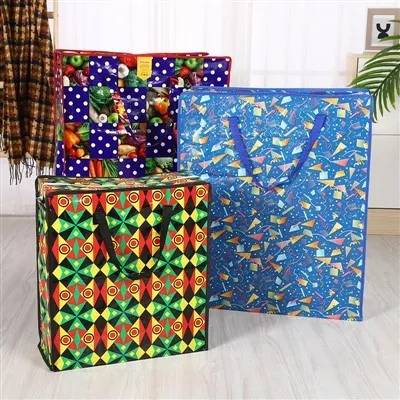
Whether you’re packing for a weekend camping trip or storing your gear for the winter, a good nylon storage bag is an essential piece of camping equipment. It keeps your gear clean, dry, and organized, so you can spend less time digging through piles of stuff and more time enjoying the outdoors. If you’re looking for high-quality nylon storage bags for your next camping trip or for off-season storage, we’re here to help. Reach out to us to discuss your needs and find the right solution for your gear.
Oxford Cloth Storage Bags References
- Callahan, J. (2020). Materials for Outdoor Gear: A Comprehensive Guide to Durability and Performance. Outdoor Industry Association.
- Smith, L. (2018). Nylon as a Functional Fabric: Properties and Applications in Recreational Equipment. Journal of Outdoor Recreation and Technology.
- Environmental Protection Agency. (2022). Reusable Products for Outdoor Recreation: Reducing Waste and Improving Performance.
- Miller, T. (2021). Storage Solutions for Camping Gear: Balancing Protection, Weight, and Cost. Outdoor Gear Review.
- Wilson, R. (2019). Fabric Durability: Tensile Strength and Wear Resistance in Synthetic Outdoor Fabrics. Textiles Research Journal.
Baigou New City Aoran Bag Manufacturing Co., Ltd.
We’re well-known as one of the leading nylon storage bags manufacturers and suppliers in China. With abundant experience, we warmly welcome you to wholesale bulk high quality nylon storage bags made in China here from our factory. Customized orders are welcome.
Address: No. 01, Sizhuang Town Industrial Park, Gaobeidian City, Baoding City, Hebei Province
E-mail: aoran1988@outlook.com
WebSite: https://www.aoranluggage.com/
