When I started my journey as a dust collector supplier ten years ago, I got a lot of weird looks in industrial circles. Guys in hard hats and coveralls would lean in after our trade show presentations, shake their heads, and say, “We’ve always used ventilation fans—why would we need a whole system to suck up dust?” Back then, I didn’t have a neat, science-backed speech to answer that. I just had a pile of customer complaints: welders with lung issues, carpenters’ shops getting fined for OSHA violations, steel fabricators whose machinery seized up because of fine metal shavings clogging every crevice. These were real, messy problems that no one wanted to talk about, let alone fix with something as “unnecessary” as a dust collector. Today, I spend most of my days talking to the same kind of shop owners who used to write our products off—and they’re the ones begging for more. So let’s cut through the noise: can dust collectors actually work in industrial settings? The short answer is yes, but only if you’re picking the right one for your specific mess, not just grabbing whatever’s cheapest. Dust Collectors
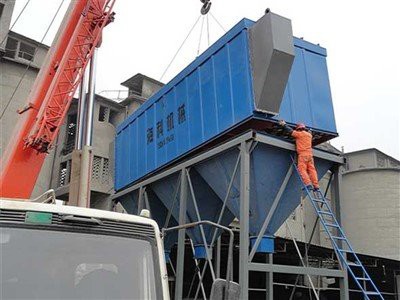
First, let’s get one thing straight: industrial dust isn’t the same as the crumbs under your kitchen table. It’s not just sawdust that you can brush off a workbench and forget about. We’re talking about things like fine silica dust from cutting concrete, welding fumes laced with manganese and chromium, textile lint that’s so flammable a single spark can level a warehouse, and even tiny metal shavings that get lodged in the bearings of CNC machines, causing thousands in downtime before anyone notices. A standard ventilation fan might blow that dust away from a worker’s face, but where does it go? It just gets recirculated through the shop air, coating every piece of equipment, every worker’s lungs, and every window in the place. I’ve seen a small fabrication shop where they didn’t use a dust collector for their MIG welding stations—after three years, the inside of their HVAC unit was caked so thick with metal powder that it weighed 40 pounds. When they finally tore it apart, the repair bill was more than our entire dust collection system would have cost them. That’s the kind of hidden cost most shop owners miss when they’re trying to save a few bucks upfront.
But not all dust collectors are created equal, and that’s where a lot of people go wrong. When I first started out, we’d get calls from a woodworking shop who bought a cheap off-the-shelf unit from a big-box store, thinking it would handle their hardwood dust. Three months later, they were back, complaining that it was breaking down every other week and barely picked up half the sawdust. The problem? That unit was rated for a home workshop, not a 10,000-square-foot shop running four table saws 12 hours a day. Industrial settings have higher dust volumes, harsher operating conditions, and stricter regulations than small businesses, so you need a system built specifically for that. For example, cartridge dust collectors are great for shops that process light, non-flammable dust like wood or plastic—they have high airflow rates and are easy to clean, so you don’t have to shut down production every day to empty a big bag. But if you’re working with something more volatile, like aluminum dust from metal stamping, you need an explosion-proof dust collector with spark arrestors and insulated housing. I learned that lesson the hard way early on: we sold a standard cartridge unit to a small aluminum fabricator, and when a stray spark got into the dust stream, it blew a hole in the side of the unit. The good news is no one got hurt, but the shop had to close for two weeks while they replaced the wall and the equipment. After that, we built our whole process around auditing a customer’s specific dust type, production volume, and space before we even mention a product. No more one-size-fits-all sales pitches—because in industrial settings, one size doesn’t fit anything.
Now, let’s talk about the hard stuff: regulations and safety. A lot of shop owners think they’re complying with OSHA or EPA rules just by keeping the place “reasonably clean,” but that’s not the case. OSHA has specific limits on how much silica dust a worker can breathe in over an 8-hour shift—100 micrograms per cubic meter of air, to be exact. That’s a tiny amount, and without a proper dust collector, it’s almost impossible to hit that limit. I recently worked with a concrete cutting company in Ohio that was getting OSHA fines every six months for exceeding silica dust levels. They tried every trick: open windows, box fans, even spray mist at the cut site to weigh down the dust. Nothing worked—until we installed a series of industrial dust collectors at each of their cutting stations, hooked up with local exhaust ventilation that pulls the dust right at the source, before it has a chance to spread through the air. Six months later, they haven’t had a single fine, and their workers’ health screenings showed a 70% drop in silica dust exposure. That’s the kind of win that keeps shop owners up at night less—knowing they’re not only avoiding fines, but taking care of their most valuable asset: their people.
And it’s not just workers’ safety. Dust is a silent killer of industrial machinery too. Fine particles get into motor bearings, clog cooling systems, and scratch precision parts like CNC tooling. I talked to a aerospace component manufacturer last year that was losing about $50,000 a month in downtime from their milling machines seizing up due to aluminum shavings. They thought the problem was old motors, until we did an audit and found that 80% of the shavings were escaping their current ventilation system and landing in the machinery bay. We installed a central vacuum dust collection system that’s tied directly to their milling machines, so the shavings are sucked up as soon as they’re cut, before they can get into other equipment. After that, their downtime dropped by 90%, and they haven’t had a motor replacement in over a year. When you add up the cost of machinery repairs, lost production time, and regulatory fines, a dust collector isn’t an expense—it’s an investment that pays for itself in months, not years.
I know what you’re thinking: “But what about the size? I don’t have room for a huge system taking up half my warehouse.” That’s a valid concern, and it’s why we’ve spent years designing compact, modular dust collectors that fit into tight spaces, or even mount to the ceiling or wall, so they don’t take up valuable floor space. We also offer portable dust collectors for smaller shops or jobs that move around a site—like construction teams that work on multiple buildings in a city, or metal fabricators that need a system that can go from one station to another. The key is working with a supplier who understands that every industrial setting is different, so there’s no one solution. I’ve installed systems in 5,000-square-foot woodworking shops and 100,000-square-foot steel mills, and the only thing that’s the same is the need for a system tailored to their space and needs.
Of course, no conversation about industrial dust collectors would be complete without talking about maintenance. A lot of shop owners think once they install a system, they can forget about it—just like their ventilation fan. But industrial settings are messy, and dust systems need regular upkeep to work properly. That means cleaning or replacing filters every few months, checking for clogs in the ductwork, and making sure the fans are running at the right speed. We don’t just sell systems and walk away—we offer maintenance plans, on-site audits, and 24/7 support for our customers, because we know that a downed dust collector is just as bad as a broken machine. I tell all our customers: a dust collector that’s not working is just a fancy box taking up space. The ones that work are the ones you check on, clean, and adjust regularly. That’s the part no one talks about in marketing materials, but it’s the reason our customers come back year after year.
Let’s be real, too: there are bad dust collectors out there. Cheap units from unvetted suppliers that break down, don’t do the job, and end up costing shop owners more in the long run. Early in my career, I watched a friend’s metal shop buy a used dust collector off Craigslist for a fraction of the price of a new one. It worked for a few months, then the filter collapsed, and all that metal dust got pulled into their shop’s HVAC, which ruined their entire heating and cooling system. The repair cost was more than they paid for the collector. That’s why I tell every customer: if the price seems too good to be true, it probably is. Industrial dust collection isn’t something you want to cut corners on. You need a system that’s designed for your specific dust, built to last, and supported by a team that knows what they’re doing.
So going back to the original question: can dust collectors be used in industrial settings? Absolutely—when they’re chosen, installed, and maintained correctly. They’re not just another piece of equipment; they’re a way to protect your workers, keep your machinery running smoothly, avoid costly fines, and even improve the quality of your final products. I’ve seen shops go from being cited by OSHA to having zero violations, from losing thousands a month in downtime to increasing their production capacity, all because they invested in the right dust collection system.
If you’re a shop owner, operations manager, or safety director who’s been hesitant to make the leap, I get it. Change is scary, and adding another piece of equipment to your already busy shop feels like a hassle. But I promise you: the hassle of installing and maintaining a good dust collector is nothing compared to the hassle of dealing with lung issues, broken machinery, or six-figure regulatory fines. The first step is talking to someone who knows industrial dust collection, not a sales rep who just recites bullet points from a brochure. We’ll come to your site, walk around, listen to your biggest pain points, and help you find a system that fits your space, your budget, and your needs. No pressure, no pushy sales tactics—just real solutions for real industrial problems.

At the end of the day, the industrial world runs on people and machines. You can’t have one without the other, and you can’t keep either running at their best when they’re coated in invisible, harmful dust. A dust collector isn’t just a tool—it’s an investment in your team, your equipment, and your business’s future. If you’re ready to stop treating dust like an inevitable part of the job and start treating it like the problem it is, we’re here to help. Reach out to us to discuss your needs and explore the best dust collection solutions for your industrial setting.
Drying Equipment References
- Occupational Safety and Health Administration. (2023). Respiratory Protection Standard for Silica Dust. U.S. Department of Labor.
- National Fire Protection Association. (2022). Standard for the Prevention of Fires and Explosions in Wood Processing and Woodworking Facilities. NFPA.
- American Conference of Governmental Industrial Hygienists. (2024). Threshold Limit Values for Chemical Substances and Physical Agents. ACGIH.
- U.S. Environmental Protection Agency. (2023). Industrial Source Control: Dust Collection Systems for Manufacturing Facilities. EPA Office of Air and Radiation.
- Machinery Maintenance and Technology Journal. (2023). The Impact of Fine Particulate Ingress on Industrial Machinery Lifespan and Downtime. Vol. 18, No. 2.
Jiangsu Haike Environmental Tech Co., Ltd.
As one of the most professional dust collectors manufacturers and suppliers in China, we’re featured by quality products and good service. Please rest assured to wholesale customized dust collectors at competitive price from our factory. Contact us for quotation.
Address: No.1, Wei’er Branch Road, Shanggang Industrial Park, Jianhu County, Yancheng City, Jiangsu Province, China
E-mail: 17388487000@163.com
WebSite: https://www.jshkhbwm.com/
